

Italy’s Four Seas: A Cycling Tour Along the Italian Peninsula Added (01/2024)

My first fully solo and self-supported cycle touring adventure followed some of Italy’s most spectacular coastal roads, with the wind and the sea as constant companions, and endless horizons guiding every pedal stroke.
From the Ligurian Sea to the Tyrrhenian Sea, from the Ionian Sea to the Adriatic Sea, I traced the iconic shape of Italy’s “boot,” crossing thirteen regions: Liguria, Tuscany, Lazio, Campania, Calabria, Basilicata, Puglia, Molise, Abruzzo, Marche, Emilia-Romagna, Veneto, and Friuli Venezia Giulia.
There was no official route I created the itinerary entirely from scratch, following my own rhythm and connecting the places I wanted to visit. There was no strict schedule to stick to: just a rough plan, with the freedom to change direction day by day depending on the weather, unexpected events, traffic, or road conditions.
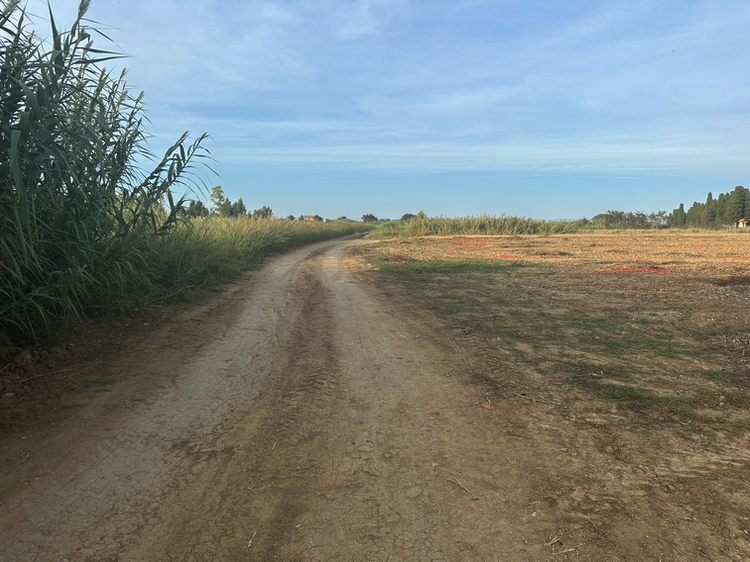
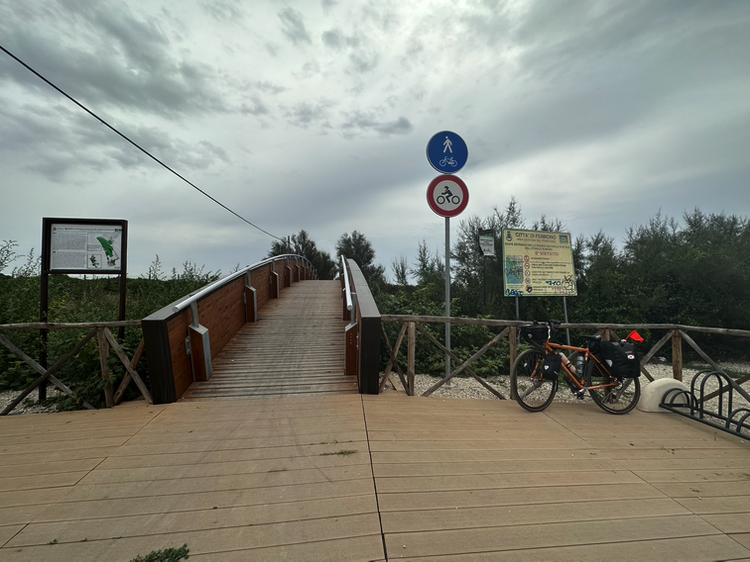
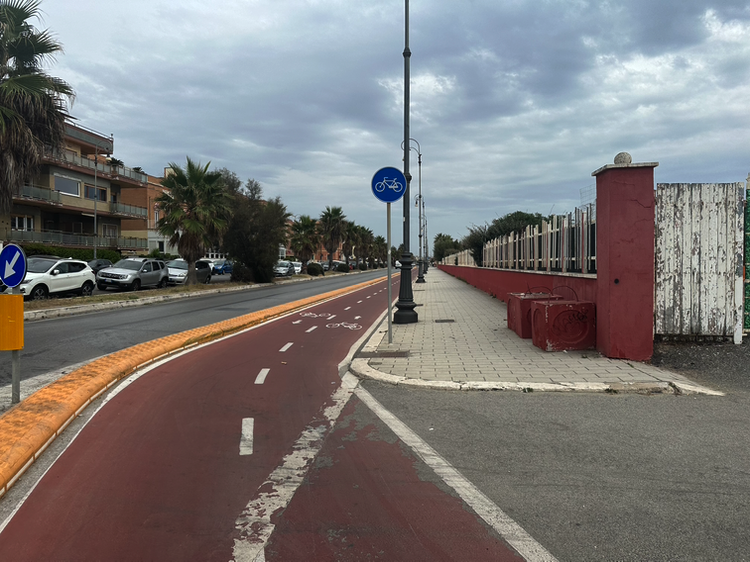
Cycling paths such as the Adriatic Cycle Route (B16) and the Tyrrhenian Route (BI19), gravel roads through the countryside, and open stretches alternated along the way, offering the freedom to ride at my own pace.
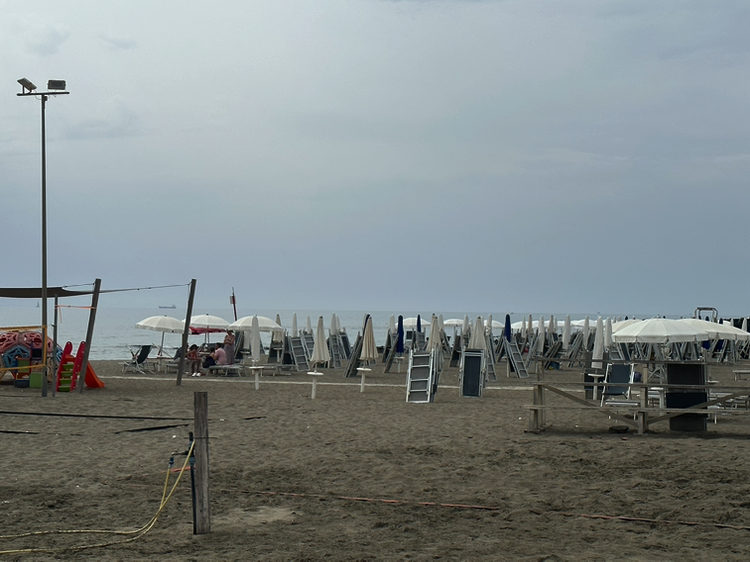
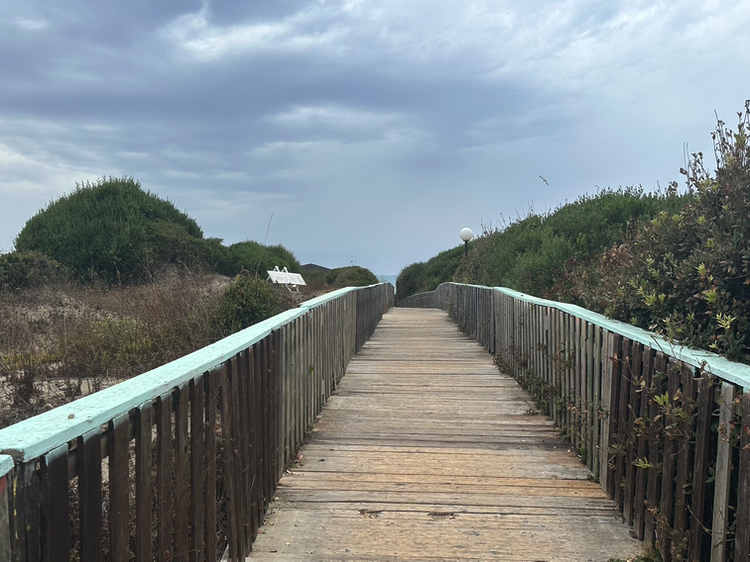
The waters of four seas accompanied me along winding roads and sun-drenched coastlines, faithful travel companions throughout the journey. This was perhaps my most personal adventure one deeply connected to my roots which allowed me to truly reconnect with my country, experiencing not only breathtaking landscapes but also meaningful encounters with local people.
That is why I chose to undertake it alone: to fully immerse myself in every moment, to capture every detail, to feel the heartbeat of the land, and to bring home memories that will last a lifetime.
With 3,582 km of coastline to cover, each day became a new chapter. One pedal stroke at a time, I lived an authentic adventure, in close contact with the surrounding environment, building a deep connection with both nature and the culture of the places I passed through.
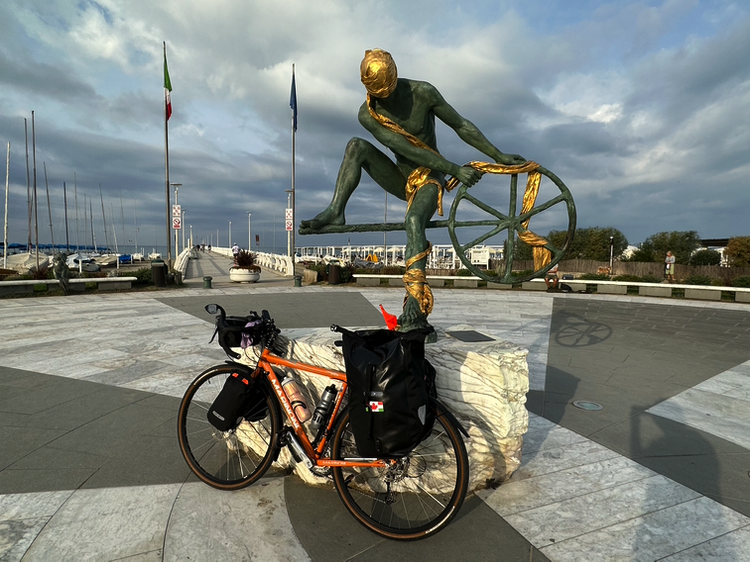
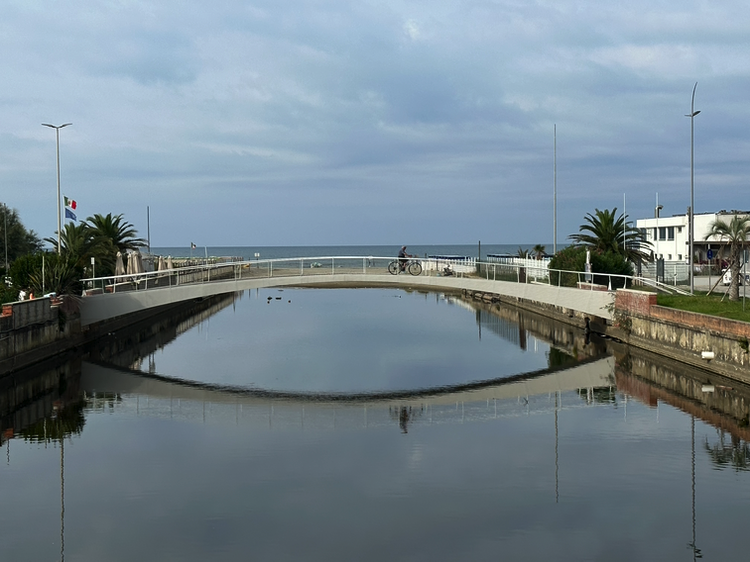
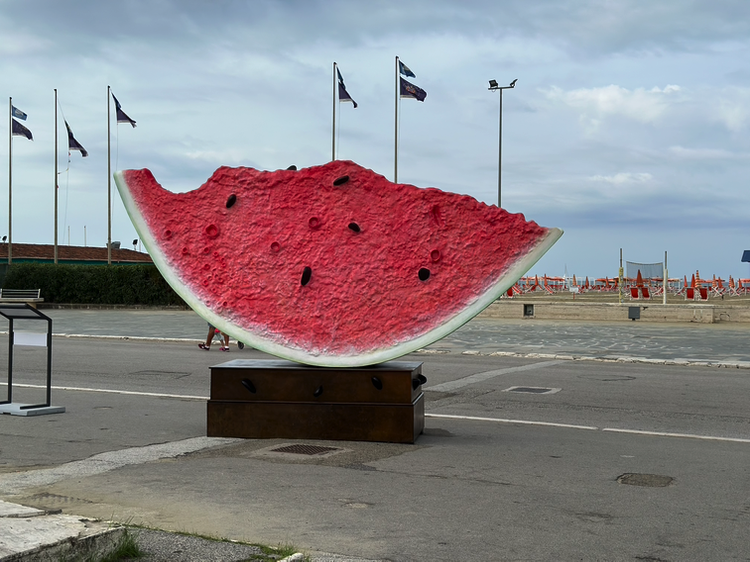
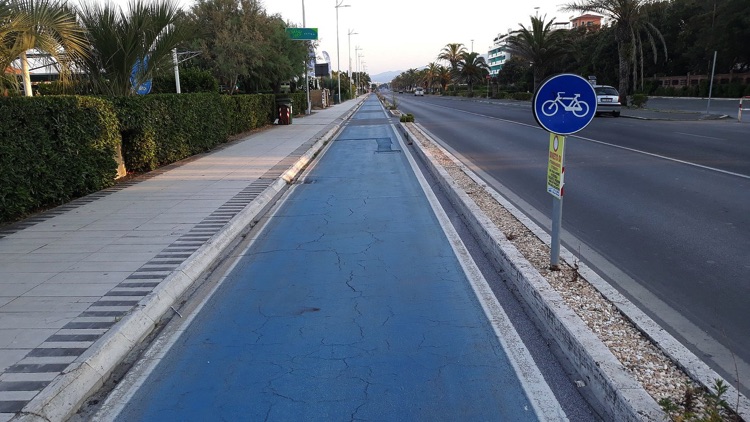
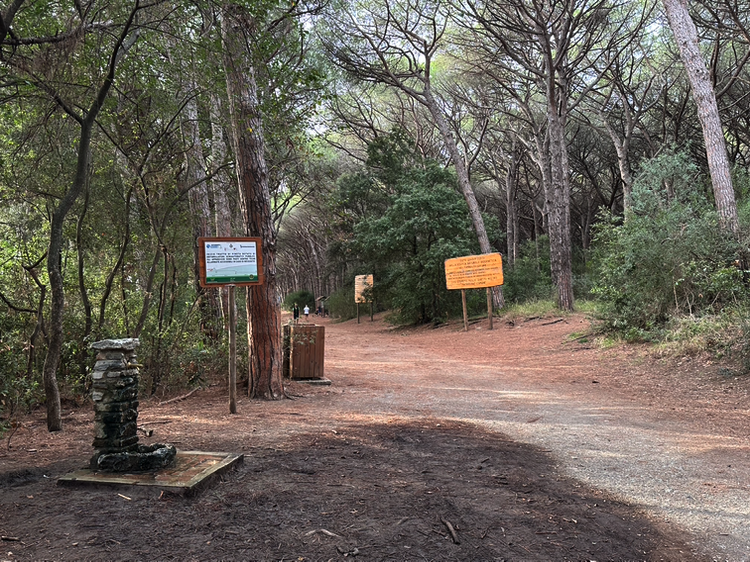
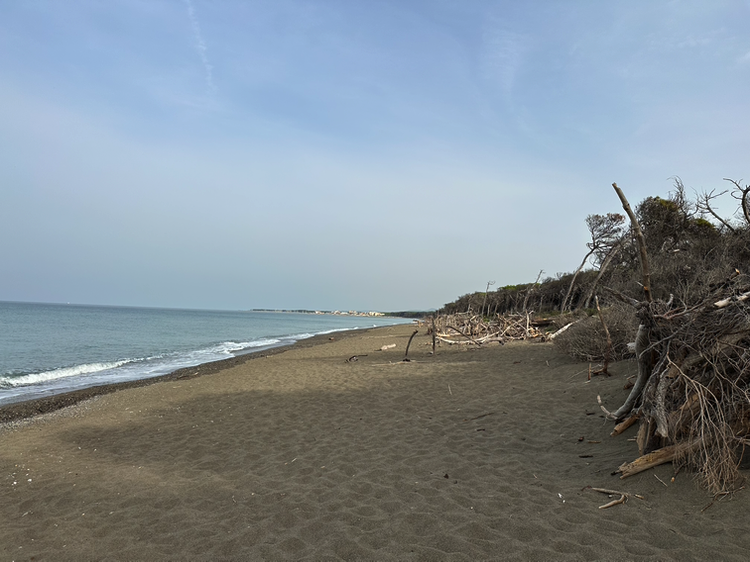
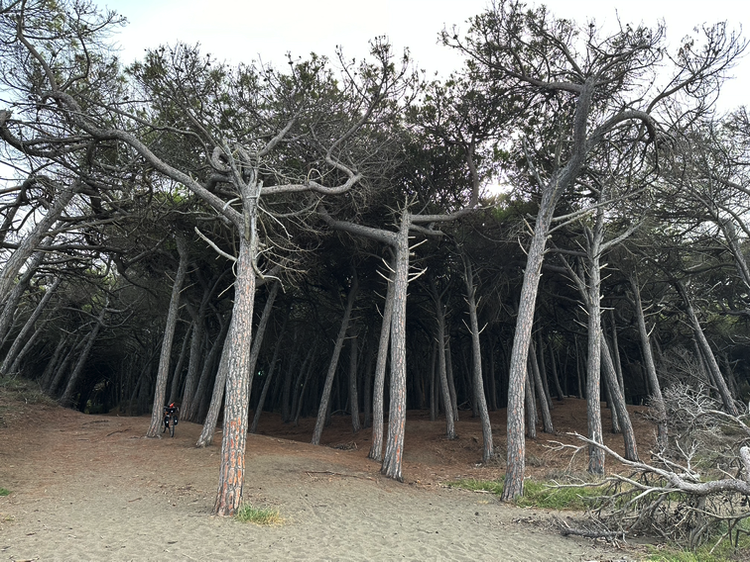
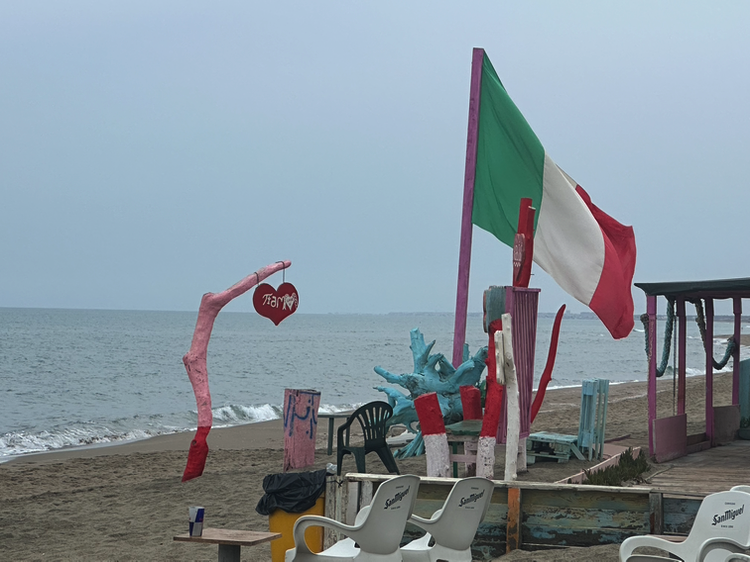
\
📌 Route Information
• Start Date 🗓 : September 13, 2023
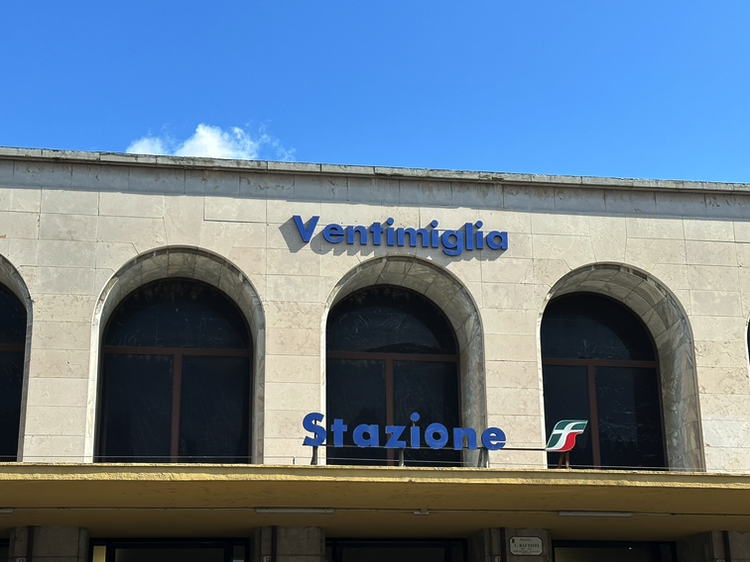
• Starting Point 📍: Ventimiglia – a charming town on the Ligurian Riviera, just a few kilometers from the French border
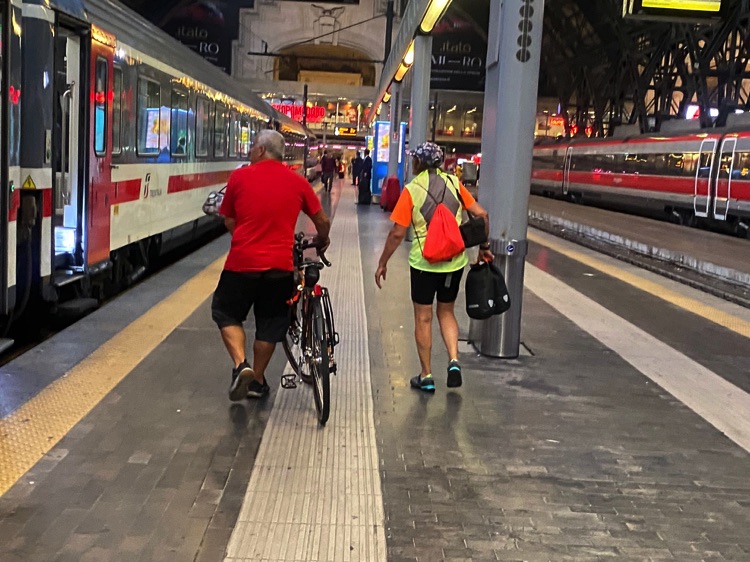
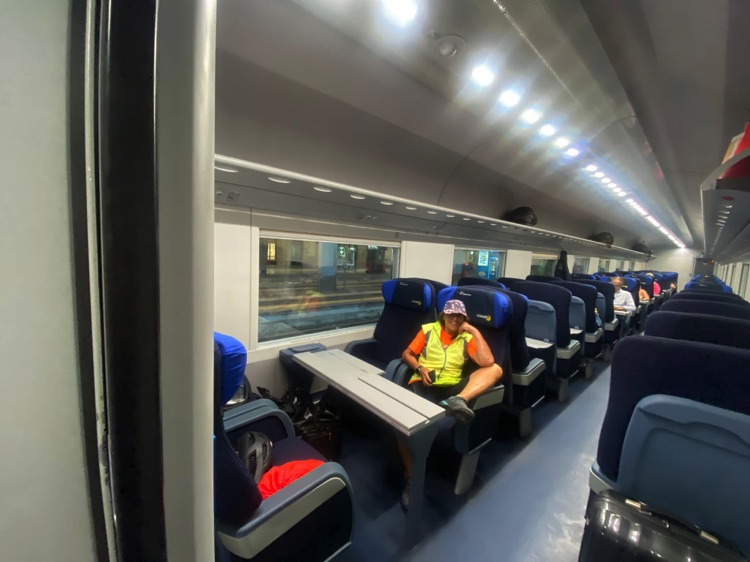
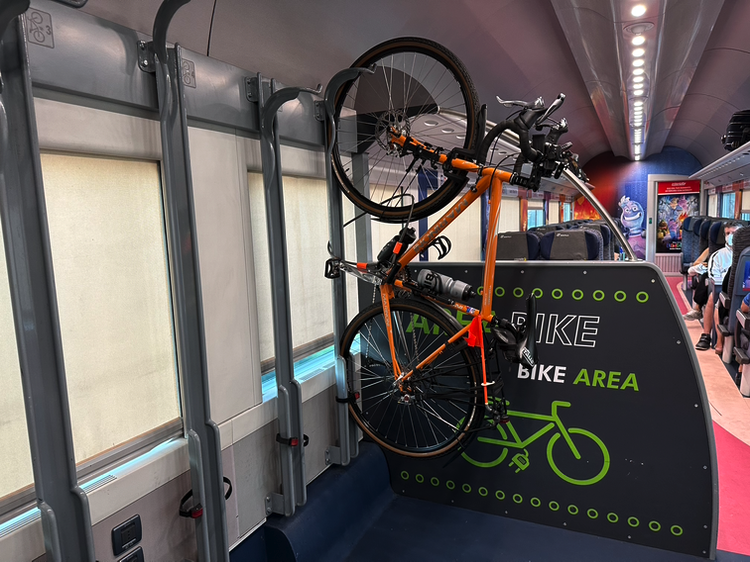
• Finish 🏁 : Trieste – the capital of Friuli Venezia Giulia, near the Slovenian border. From here, I took a train to Milan
• Total Distance 🚴 : 3,582 km, cycling counterclockwise along Italy’s coastal roads
• Daily Average 📏 : 123 km per day, حوالي 8.5 hours in the saddle
• Duration 🗓 : 30 consecutive days, without a single rest day
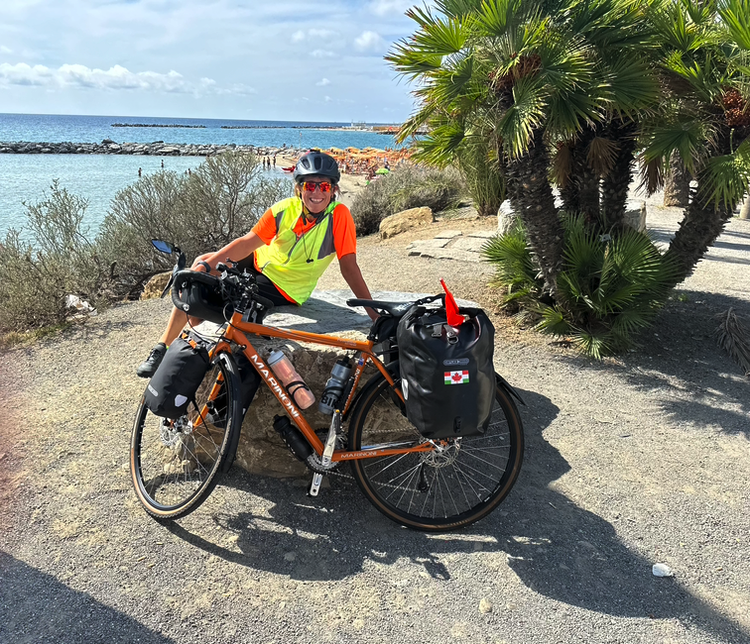
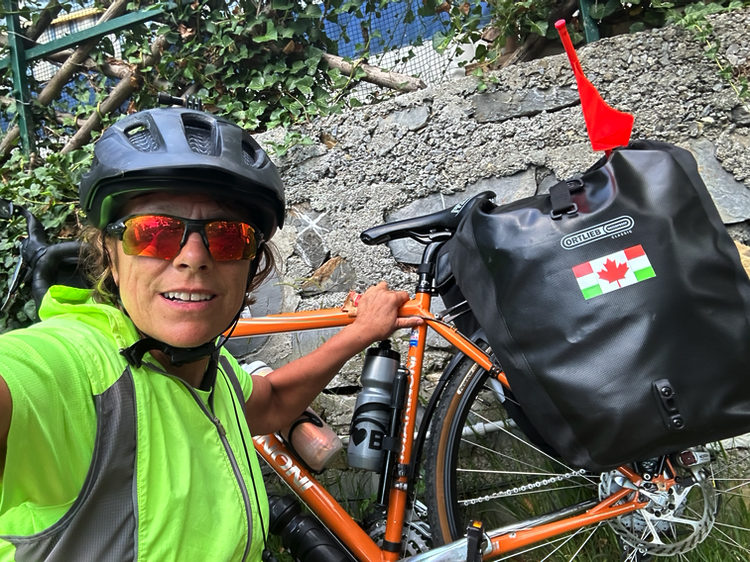
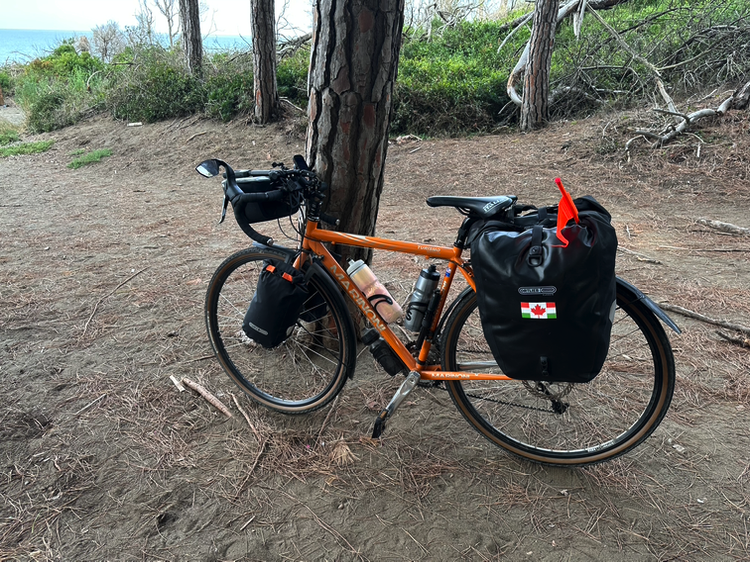
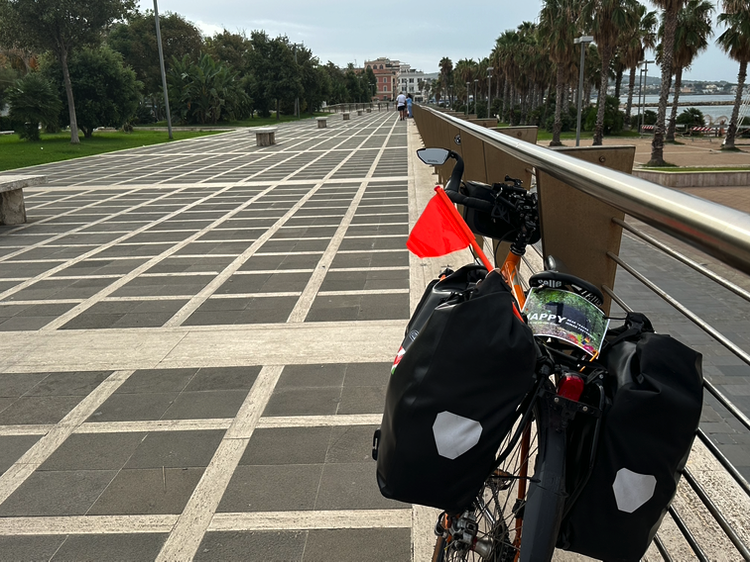
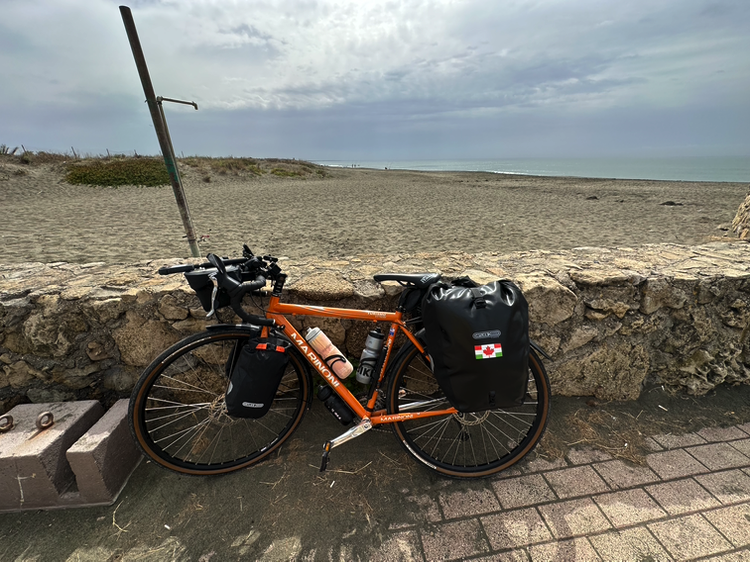
• Bike Type 🚲: Marinoni touring/adventure bike, which I named after my faithful companion, Girasole
• Route Type: Fully self-planned, following the Italian coastline
• Regions Crossed: Liguria, Tuscany, Lazio, Campania, Calabria, Basilicata, Puglia, Molise, Abruzzo, Marche, Emilia-Romagna, Veneto, and Friuli Venezia Giulia
🔗 Explore the Journey: Maps, Interview & Stories
• Watch the Interview 🎤 : An interview conducted by Vincenzo Santoni, former professional cyclist who raced in eight editions of the Giro d’Italia and later became a team manager in professional cycling
• The Four Seas of Italy 🗨 : My cycling adventure told in an interview
• Travel Blog & Videos 📖 🎥 : Stage-by-stage stories, daily maps, and immersive videos to relive the journey as if you were there. Filmed with an Insta360 X action camera for a fully immersive POV
• Route Map 📍: View the complete map of the journey
• View Gallery 👉 : Click to enlarge
INTRODUCTION – 🔧 Work in Progress
And so, the journey led me along remarkable roads, through breathtaking landscapes and unforgettable encounters, turning every pedal stroke into a memory to cherish. Each day became a new chapter one turn of the pedals at a time—along a route meant to be fully experienced and shared.
Liguria: Cycling Between Sea and Mountains to the Tuscan Border
Ventimiglia: Starting Point
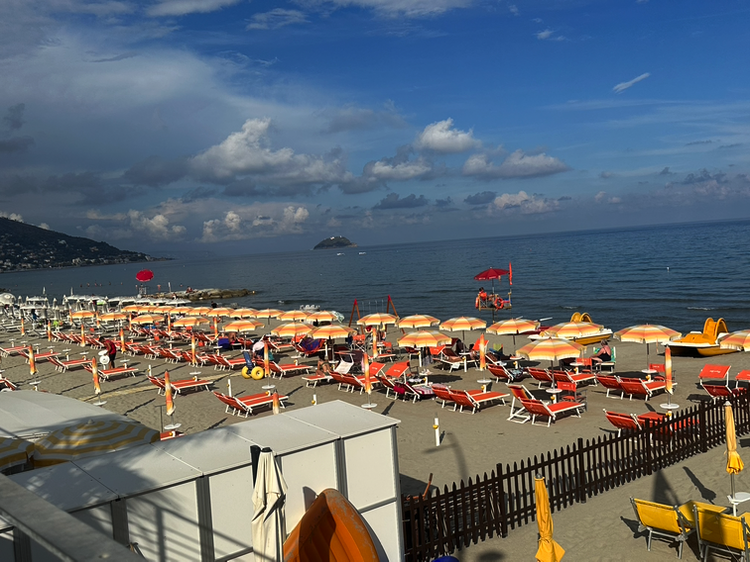
My cycling journey began in Ventimiglia, a modern town whose railway station marked the true beginning of the adventure after my train ride from Milan. After securing my panniers to the bike rack, I headed toward the town center and the Roya River, which flows into the Ligurian Sea. From there, you can see Ventimiglia Alta, a medieval village perched on a hill stopping for a few photos was a must.
Along the Via Aurelia
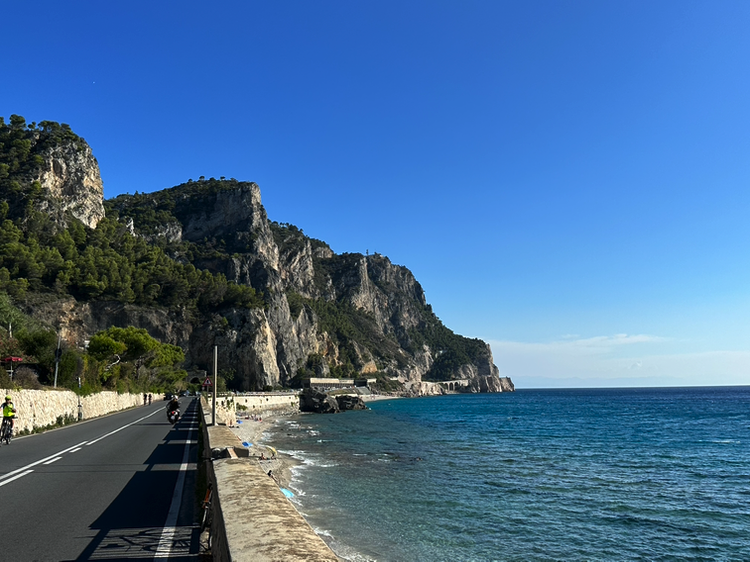
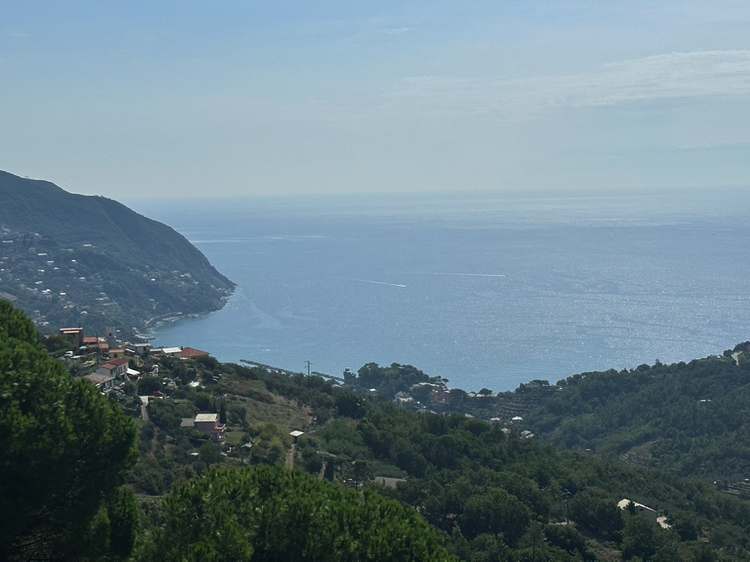
I followed the historic Via Aurelia, with the shimmering sea on my right and green hills on my left. The ride to Ospedaletti was both scenic and enjoyable.
The Coastal Cycle Path
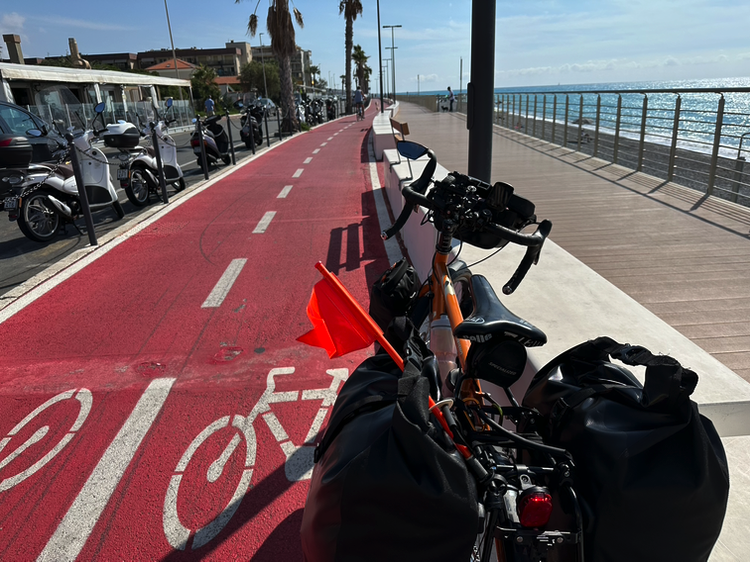
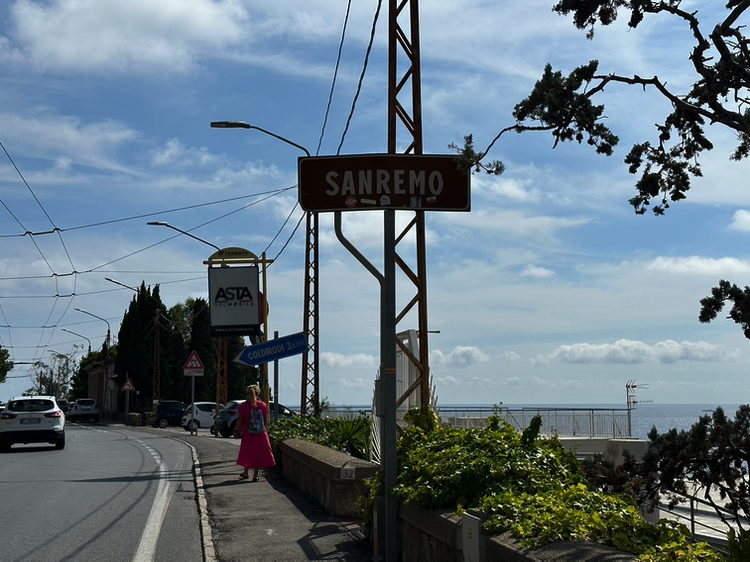
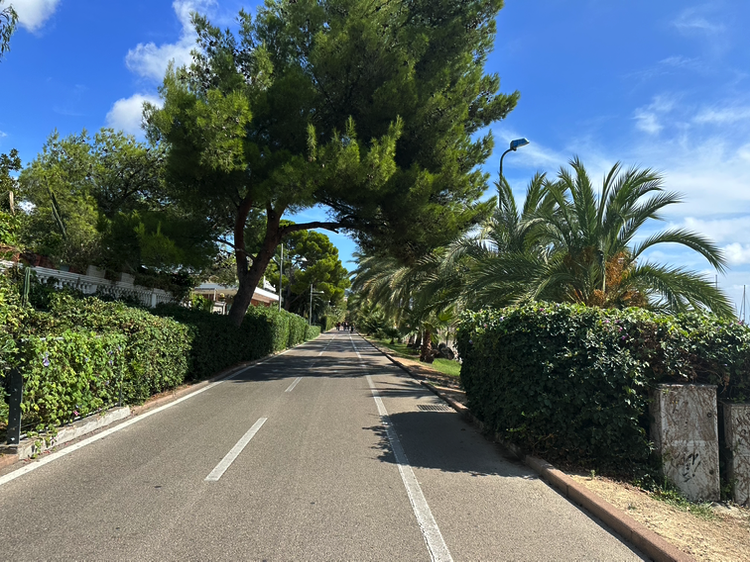
From Ospedaletti to Sanremo famous for the Italian Song Festival, an annual music event that brings the city to life I followed the well-known coastal cycle path, also called the Riviera dei Fiori.
This is the first section of the future Tyrrhenian Cycle Route, an ambitious 814 km project designed to connect Liguria, Tuscany, and Lazio through coastal villages, natural parks, and world-renowned destinations. Once completed, it will be one of the most spectacular cycling routes in Italy.
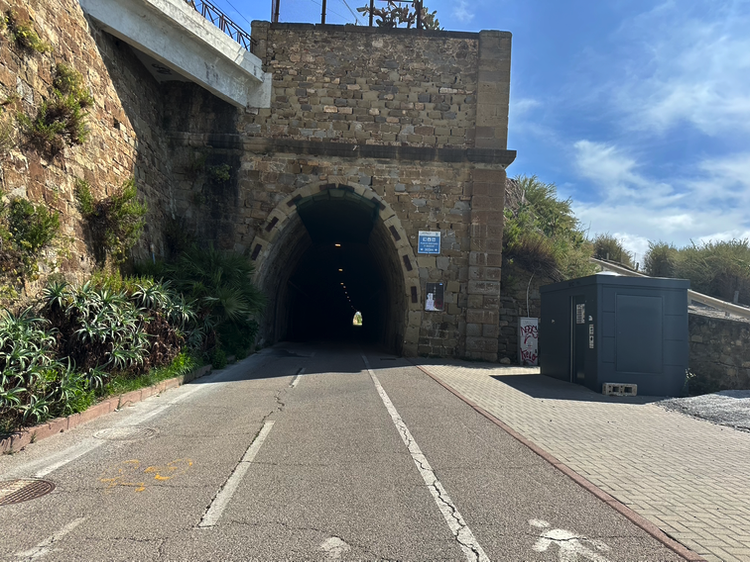
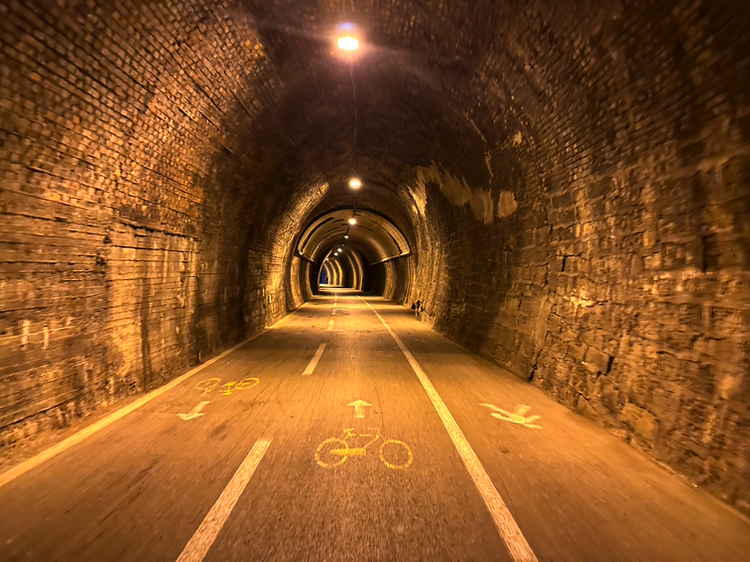
This already accessible stretch runs for 24 km along a former railway line, passing through illuminated tunnels, bridges, and protected natural areas, always with the sea just a few meters away. Along the route, you’ll find “bike cafés,” repair stations, and plenty of scenic viewpoints to stop, take photos, and enjoy the horizon.
Toward Genoa
Continuing east, passing seaside towns and beaches, alternating between cycle paths and secondary roads, I reached Genoa the great port city that divides the Riviera di Ponente from the Riviera di Levante.
The Riviera di Levante and the Bracco Pass
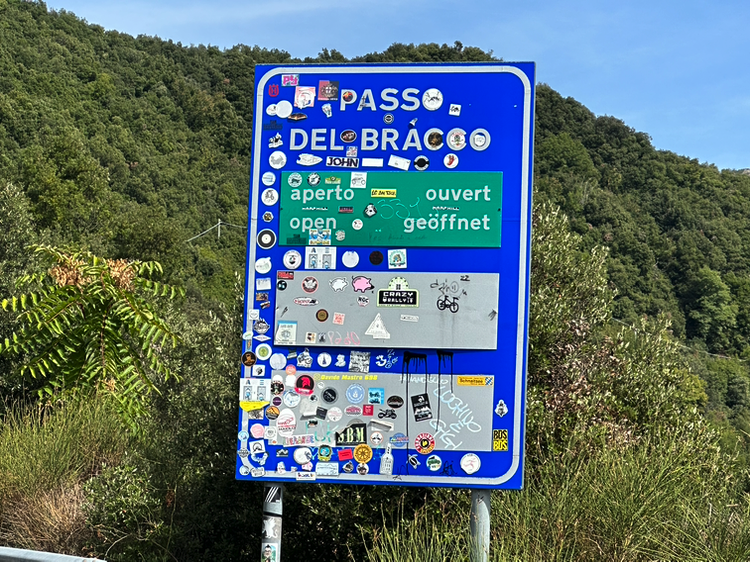
Leaving Genoa behind, I cycled along the Riviera di Levante, passing through Bogliasco, Recco, Rapallo, Chiavari, and Sestri Levante. Then came the climb to the Bracco Pass: about 15 km of panoramic curves along the historic Via Aurelia, with 600 meters of elevation gain and an average gradient of 3.8%. Every bend revealed a stunning view of the Mediterranean Sea fading into the distance behind me.
A Final Farewell to Liguria
After descending toward Borghetto di Vara, I reached the coast again and continued to Marinella di Sarzana, near the border with Tuscany. It was my final farewell to Liguria a moment to take in the sea and mountains before continuing toward new coastlines.
Tuscany – Tyrrhenian Sea: Cycling Along the Etruscan Coast
Entering Tuscany
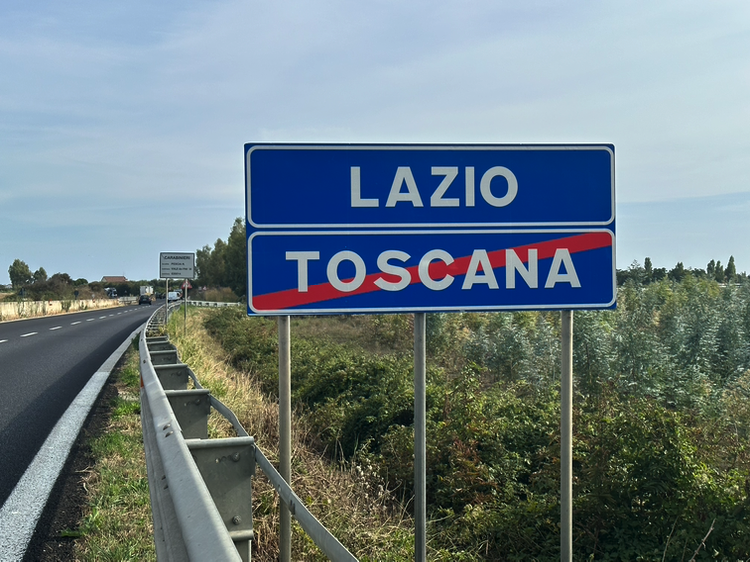
Leaving Marinella di Sarzana, at the eastern edge of Liguria, I enter northern Tuscany at Marina di Carrara, starting to ride along secondary roads and sections of the Tyrrhenian Cycle Route, which runs parallel to the sea, offering constantly changing views.
Versilia and the Viareggio Cycle Path
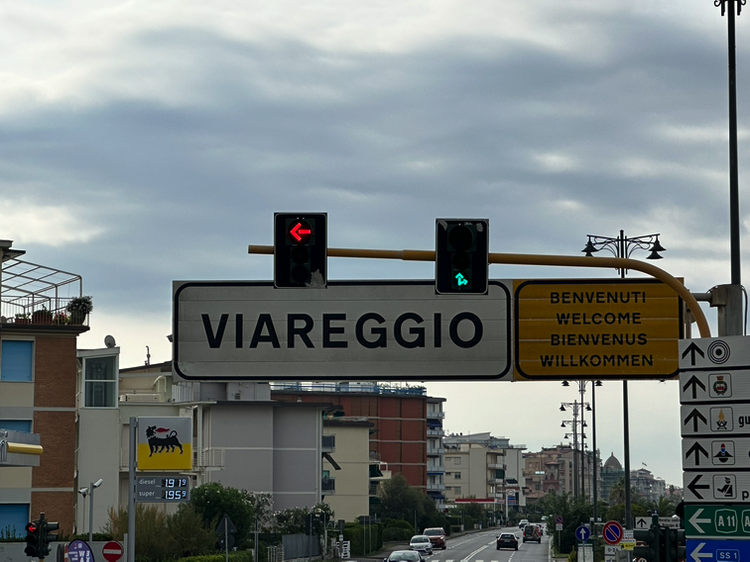
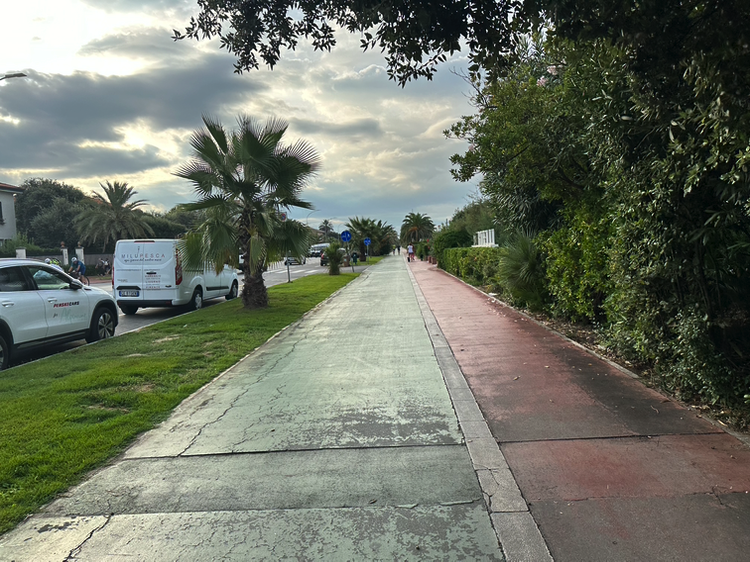
I continue along the beautiful coastal cycle path of Versilia 28 km from Marina di Massa to Forte dei Marmi, Pietrasanta, and Viareggio passing pine forests, beaches, and small seaside towns.
The Viareggio cycle path, also known as the Fausto Coppi route, runs along the same roads where the legendary champion trained daily, celebrating the city’s deep connection with cycling history.
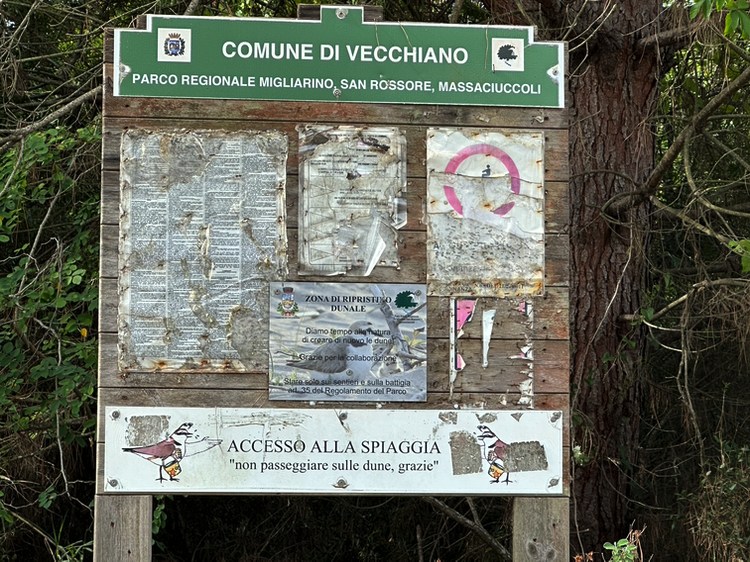
Migliarino, San Rossore and Massaciuccoli Park
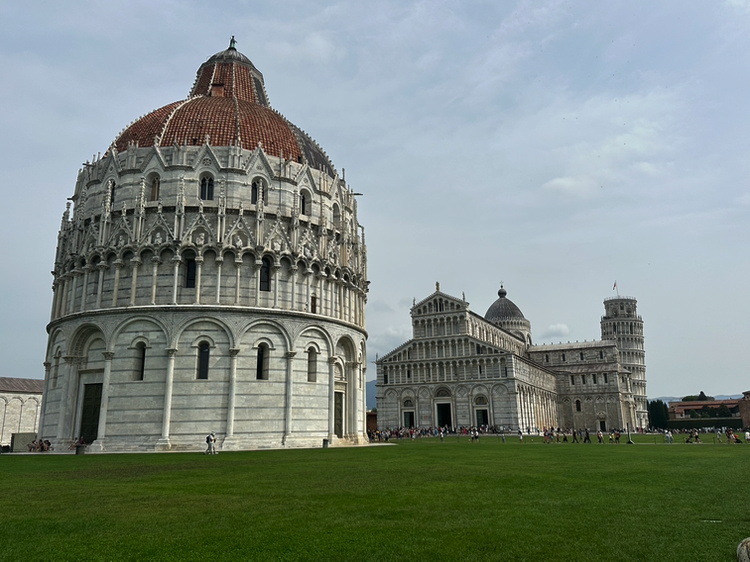
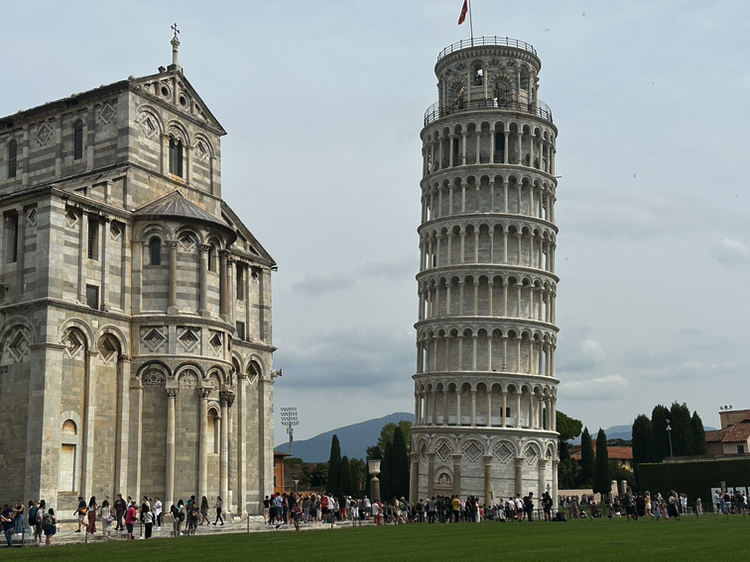
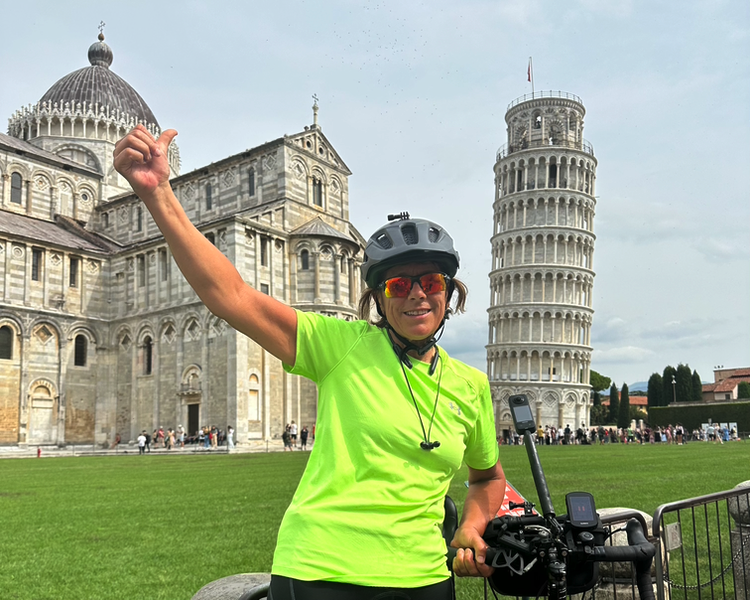
The route continues through the Migliarino – San Rossore – Massaciuccoli Regional Park, a biodiversity oasis of dunes, pine forests, and wetlands. From here, I detour to Pisa to admire the famous Leaning Tower and the stunning Piazza dei Miracoli a truly unforgettable moment of the journey.
The Etruscan Coast
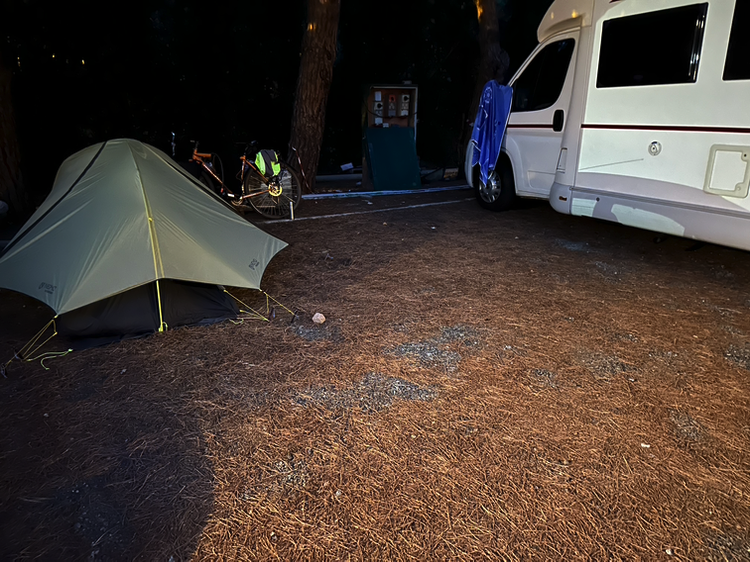
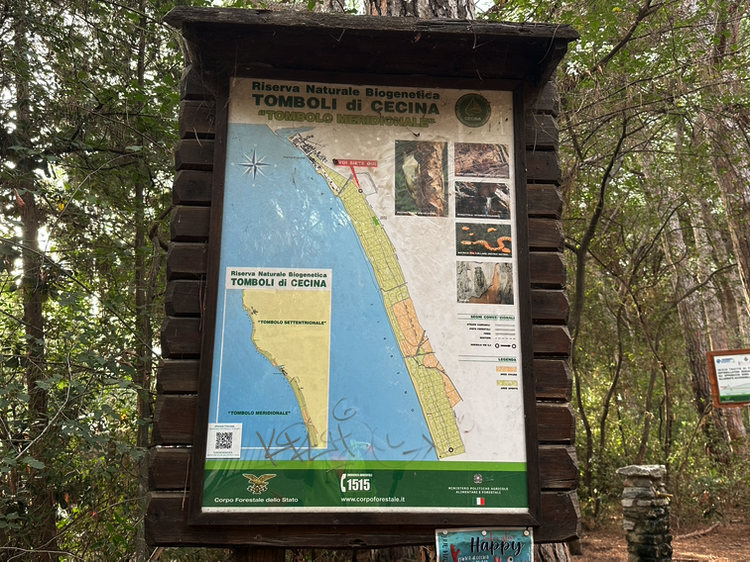
Back on the coast, I cycle along the cycle path of the Cecina Tomboli Nature Reserve, a 15 km stretch immersed in the scent of pine resin, between sand dunes and wildlife, with occasional encounters with rabbits, foxes, and porcupines.
Shaded sections lead to wild, untouched beaches which, in the low season, offer silence and peace, revealing breathtaking views of the Etruscan Coast.
Tuscany’s Maremma Region
Reaching Marina di Bibbona, the route continues toward the Piombino headland, with spectacular views of Elba Island and Capraia, all the way to the Gulf of Follonica.
I continue to Castiglione della Pescaia, with its medieval village perched on the hill and the Aragonese Castle dominating the landscape. Riding further along the coast, I reach Marina di Grosseto and then Grosseto, following the edge of the Maremma Natural Park (also known as the Uccellina Regional Park), a 25 km stretch of untouched nature.
Orbetello Lagoon and the End of the Tuscan Section
Finally, I ride to Orbetello Scalo and the famous Orbetello Lagoon, a protected wetland rich in biodiversity and home to many rare bird species, including pink flamingos. The town of Orbetello lies on a narrow strip of land separating the lagoon from the sea.
Around it stretch long sandy beaches dividing the lagoon from the Tyrrhenian Sea. Cycling through quiet coastal landscapes and small seaside towns, the silence of the coast accompanies the final stretch of this journey before entering the Lazio Maremma.
Lazio – Tyrrhenian Coast
Entering the Maremma Laziale
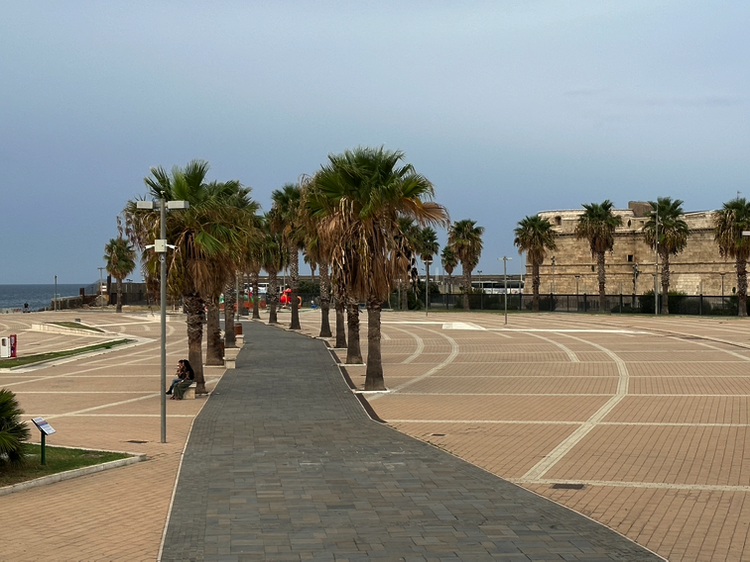
Leaving the Tuscan Maremma with its pine forests and untouched beaches, I enter the coastal stretch of the Maremma Laziale, reaching Civitavecchia along the seafront. The sea on my right accompanies me like a faithful travel companion.
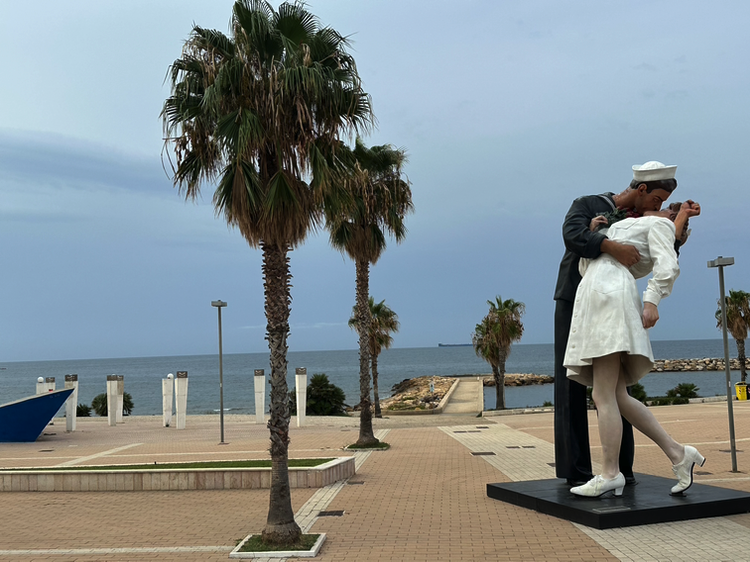
Here I stop to admire the famous “Statua del Bacio” (“Embracing Peace” or “Unconditional Surrender”), a sculpture celebrating peace inspired by the iconic photograph taken in New York at the end of World War II—a powerful moment of reflection.
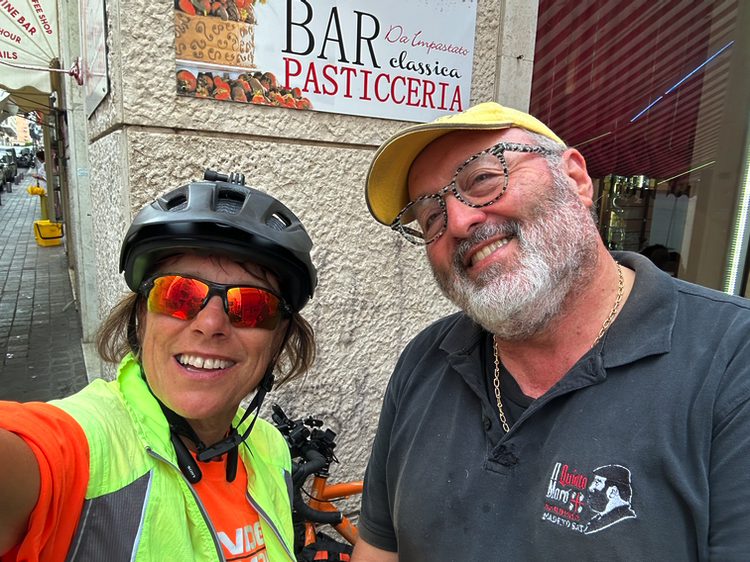
During the stop, I meet Massimo, a clay pigeon shooting instructor who works between Abruzzo and Sardinia. With great hospitality, he tells me that his life principle is simple but meaningful: “treat others as you would like to be treated.” We share a cappuccino and a brioche, and this small gesture of kindness makes my day even more special.
The Roman Coastal State Nature Reserve
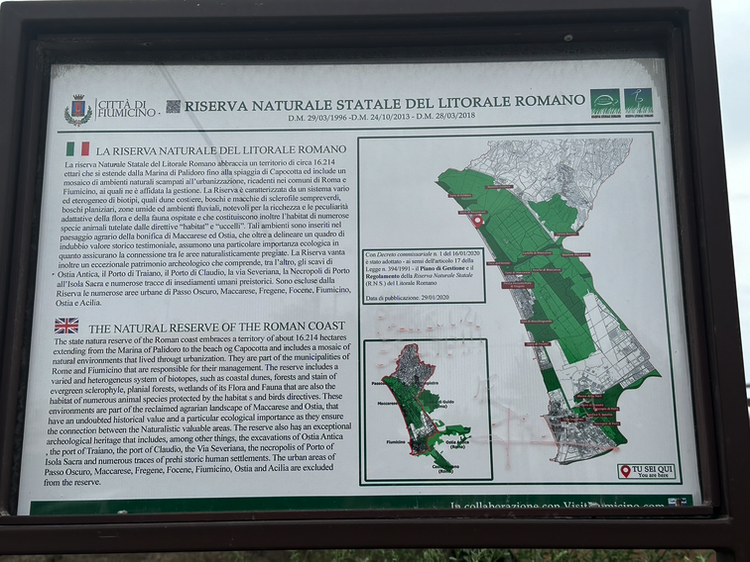
Continuing along the route, I pass through the Litorale Romano State Nature Reserve, located near Fiumicino. This protected area offers an exceptional archaeological heritage and spectacular sea views. Every stop along the way becomes an invitation to slow down, breathe, and follow the rhythm of the waves and the beauty of the coast.
Anzio and Nettuno
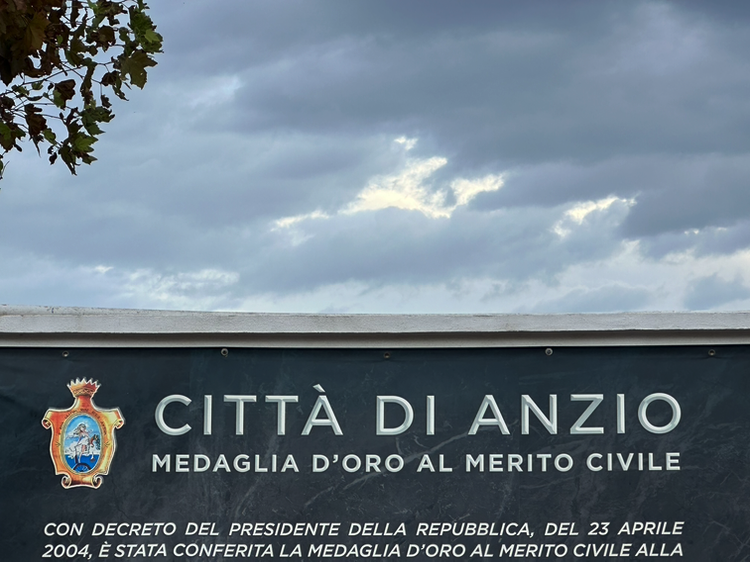
Arriving in Anzio, a historic town famous for its port, golden beaches, and Roman villas, I take a refreshing break along the seafront, watching boats and the life of local fishermen.
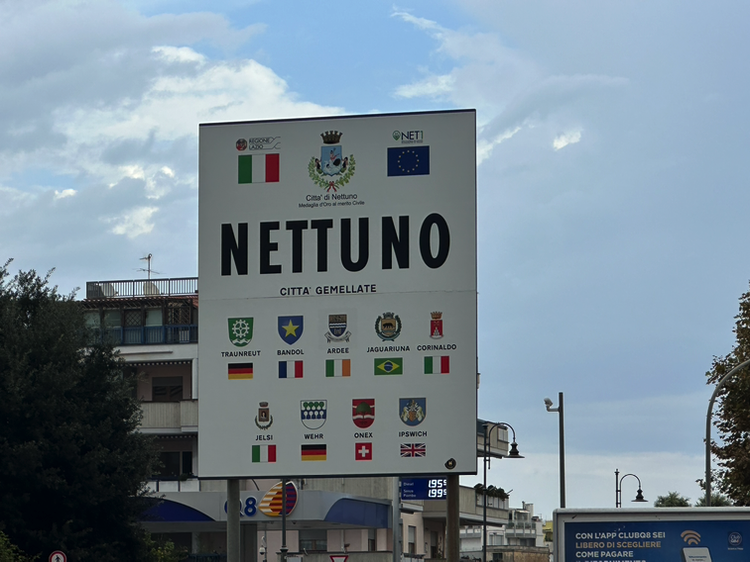
Continuing north, the route passes through Nettuno, with its quiet beaches and surrounding countryside, and then reaches Latina, following rural roads through traditional farmland and lush landscapes.
Meeting a Fellow Cyclist
In Sabaudia, while enjoying a sandwich in a local shop, I meet German cyclist Arthur. After a few words and a friendly chat with the shop owner, we decide to ride together for a few days, sharing kilometers, laughter, and landscapes. He continues south, while I carry on toward new stages of my journey.
Towards Southern Italy
Every kilometer along the Lazio coast offers shimmering sea views, small coastal villages, and moments of complete immersion in nature and history. I ride along the Tyrrhenian Cycle Route, heading toward the spectacular coastlines of Campania, Basilicata, and Calabria—ready for the next adventures.
Southern Italy – Campania, Basilicata and the Tyrrhenian Coast of Calabria
Campania and Naples
Campania welcomed me with its spectacular Tyrrhenian coastline, where the sea turned grey under stormy skies, blending with breathtaking views of the Bay of Naples, Mount Vesuvius, and the island of Capri.
Arriving in the heart of Naples, with its lively streets and warm people, felt like entering a city that immediately embraces you. Every corner tells a story, and every smile makes you feel at home. Naples is considered by many the world capital of pizza, a title earned through centuries of tradition, passion, and craftsmanship.
One of the most unforgettable moments was riding through a violent rainstorm a heavy downpour that lasted about 30 minutes and forced us to take shelter. We then resumed the ride through flooded streets, turning an ordinary travel day into a small adventure.
After leaving Naples, my cycling companion Arthur took a different route, while I continued following the coast, true to my plan of cycling the entire Italian peninsula. After saying goodbye, I headed toward the Sorrento Peninsula and then the Amalfi Coast.
Sorrento Peninsula and the Amalfi Coast
Cycling along the Sorrento Peninsula means tackling spectacular switchbacks, passing through picturesque towns such as Sorrento and Positano, and enjoying breathtaking views over the crystal-clear sea.
The Amalfi Coast offered suspended curves above the water, fragrant lemon groves, and postcard-perfect scenery unfolding with every pedal stroke. Along the road, small stalls and kiosks sell local products, including limoncello a sweet lemon liqueur typical of the region, usually served ice-cold as a digestif and fresh vegetables.
The lemons here, large and intensely fragrant, are a true symbol of the land. Descending toward Salerno, the gateway to the Cilento region, the route follows golden beaches and peaceful villages such as Acciaroli and Castellabate.
Cilento and Basilicata
Further south, I reached Palinuro, with its dramatic cliffs plunging into the sea and crystal-clear waters perfect for a refreshing break. The road then led me to Sapri, a small gem between sea and mountains, where the harbour and beaches welcomed me after long hours in the saddle.
Crossing into Basilicata, the coastal stretch toward Maratea surprised me with its wild beauty: rugged cliffs, turquoise waters, and the charming hilltop village dominated by the Christ the Redeemer statue, standing above the Gulf of Policastro and offering a spectacular panorama.
Calabria and the Costa Viola
Entering Calabria, the Tyrrhenian coastline revealed its full diversity: rugged sections alternating with golden beaches and picturesque villages overlooking a turquoise sea.
I slowly rode toward Scilla, a true gem of the Costa Viola, where the Ruffo Castle dominates the promontory and the historic district of Chianalea seems to float on the waves. Here, the sea embraces the houses, creating unique views that can only truly be appreciated by cycling through them.
Continuing toward Villa San Giovanni, I said goodbye to my cycling companion Arthur, who boarded a ferry to Sicily. I continued alone toward Reggio Calabria, the city where the Tyrrhenian and Ionian Seas meet in an almost symbolic way.
The view of the Strait of Messina was incredible, with waters flowing between two lands, while my bicycle carried me toward the Ionian coast ready for new adventures along golden beaches and hidden bays.
Ionian Coast of Calabria, Basilicata and Puglia to Taranto
After leaving Reggio Calabria, my journey continued along the Ionian coast, where the roads run alongside endless beaches and hidden coves. Cycling here was a continuous sequence of breathtaking landscapes: golden beaches, crystal-clear waters, and small villages that seem suspended in time.
The Southernmost Point of Italy
One of the most meaningful moments was reaching Melito di Porto Salvo, the southernmost municipality in Italy, famous for Giuseppe Garibaldi’s landing and the Expedition of the Thousand. I paused for a moment to take in the historical atmosphere of the place before getting back on the bike and continuing north.
Villages and Ionian Coastlines of Calabria
I passed through towns such as Roccella Ionica, Soverato, Isola di Capo Rizzuto, Crotone, and Cirò Marina, each with its own character and colors. Eventually, I left Calabria and entered Basilicata, cycling along its short coastal stretch to Nova Siri and then Metaponto, an ancient city of Magna Graecia.
Riding past these ruins, knowing that one of the most important Greek colonies once flourished here, made me feel as if I were traveling through time as well as space.
Entering Puglia and Arrival in Taranto
From there, I entered Puglia and, following the coastline, arrived in Taranto, the beautiful “city of the two seas.” It was a powerful moment to see the water shimmering on both sides of the city as I cycled through it.
Here a new chapter of my journey began: the entrance into Salento, the heel of Italy’s boot a sun-drenched peninsula surrounded by both the Ionian and Adriatic Seas.
Abruzzo and Marche – The Adriatic Coast and the “Trabocchi” Cycle Route
Abruzzo – The Trabocchi Cycle Route
The journey continues along the Trabocchi Cycle Route, a unique path running along the coast and dotted with trabocchi traditional wooden fishing platforms offering breathtaking views throughout the ride.
Passing through charming towns such as Vasto, San Salvo, and Ortona, the landscape alternates between beaches, low cliffs, and pine forests scented with resin.
Ortona – Heroes of Canada Square
I stopped in Ortona, where the main square has recently been renovated and renamed Piazza degli Eroi Canadesi(Heroes of Canada Square). It was a meaningful pause, a moment to absorb the local atmosphere and reflect on the historical significance of the place.
Vasto – Suspended Over the Sea
I climbed up to reach Vasto, a town built 144 meters above sea level, fully justifying its description as “suspended over the sea.” Perched on a hill, Vasto preserves a fascinating medieval old town, where the sky feels vast above and the Adriatic stretches endlessly below.
The view over the Adriatic coast from here is truly spectacular a memorable highlight of the journey. Cycling through this area means breathing the fresh Adriatic air, listening to the waves, and enjoying landscapes where nature and tradition exist in perfect harmony.
From Ortona to Pescara
Continuing north, the Adriatic Cycle Route connects coastal towns such as Ortona, Francavilla al Mare, and Pescara, alternating between urban seafront cycle paths and quiet secondary roads.
Each stop offers spectacular views of crystal-clear waters, lighthouses, and small harbors, with opportunities to enjoy local cuisine or have a gelato in seaside squares.
Marche – Between Villages and Seafronts
Entering the Marche region, the coast continues through towns such as San Benedetto del Tronto, Porto d’Ascoli, Grottammare, and Ancona, where the Adriatic Cycle Route runs along seafronts, urban cycle paths, and scenic secondary roads.
Cycling here reveals golden beaches, ports, and historic villages, with Adriatic views stretching endlessly toward the horizon. Crossing this coastline means experiencing the rhythm of small coastal towns, feeling the sea breeze, and immersing yourself in the ancient history of seaside settlements.
From Salento to Gargano: Cycling the Adriatic Coast up to Molise
Salento – The Heel of Italy
Leaving Taranto, I began cycling through Salento, the heel of Italy. The sun was shining relentlessly, the Ionian Sea stretched out on my left, while on my right the landscape was dotted with olive groves, white masserie, dry-stone walls, and small ancient chapels. Every turn revealed postcard-like views and the unmistakable scent of Mediterranean scrub.
Gallipoli and the Ionian Coast
I passed through true natural paradises, where beaches alternated between cliffs plunging into deep blue waters and stretches of white sand kissed by turquoise waves, creating an almost Caribbean atmosphere.
The historic centre of Gallipoli, located on a limestone island in the Ionian Sea, is connected to the mainland by a 17th-century bridge. The Angioino-Aragonese Castle, completely surrounded by the sea, dominates the entrance to the old town and offers a journey back in time.
Capo di Leuca – Where Two Seas Meet
I reached Santa Maria di Leuca, the southernmost point of Salento, where the Ionian and Adriatic Seas meet. From there, I began my journey north along the Adriatic coast, following the Adriatic Cycle Route (also known as the Green Adriatic Corridor), a cycling route of over 1,300 km connecting Puglia to Trieste, crossing Molise, Abruzzo, Marche, Emilia-Romagna, Veneto, and Friuli Venezia Giulia.
Cycling Along the Adriatic Coast
I rode through historic towns, olive-covered countryside, and quiet secondary roads running parallel to the sea. Each stop became an opportunity to take photos, enjoy an ice cream, or simply pause and admire the view.
Cycling here means experiencing Puglia slowly breathing in the sea air, feeling the Mediterranean breeze, and discovering the authenticity of ancient villages.
From Otranto to Gargano
I passed through cities such as Otranto, Brindisi, Monopoli, and Bari, gradually heading north until reaching the gateway to Gargano at Manfredonia.
Here the road begins to climb toward the mountainous Gargano promontory, known as the “spur of Italy.” I followed the winding route through Mattinata, Vieste, Peschici, and Rodi Garganico: demanding climbs and descents rewarded by breathtaking views, the scent of pine forests, and spectacular sea panoramas.
From the Lesina Lakes to Molise
Leaving Gargano behind, the road flattened again, running alongside the Lesina and Varano Lakes and the short sandy coastline of Molise, about 35 km long.
This quiet and relaxing stretch marked the perfect transition before entering Abruzzo, where new mountains and spectacular landscapes awaited me.
Emilia-Romagna, Veneto and Friuli Venezia Giulia – Towards Trieste: The End of a Wonderful Journey
Emilia-Romagna – Between Pine Forests and Fishing Villages
In Emilia-Romagna, the coastal cycle paths run through pine forests, fields, and fishing villages, connecting towns such as Cattolica, Riccione, Rimini, Bellaria, Cervia, Ravenna, and Comacchio, with the lagoons of the Po Delta always in sight and the sea as a constant travel companion.
Veneto – A Detour to Venice
In Veneto, I took a detour to Venice, parking my bike and immersing myself in its alleys, bridges, and canals, breathing in the unique atmosphere of the city on water.
Friuli Venezia Giulia – Arrival in Trieste
Finally, the urban cycle paths of Friuli Venezia Giulia led me to Trieste, where the journey came to an end. After 3,582 km and thirteen regions crossed, I stopped to breathe in the wind and the sea, savouring the satisfaction of a fully lived adventure, with the sea always on my right as a faithful travel companion.