

Cycling Across Europe: 4,684 km of Two-Wheel Adventure
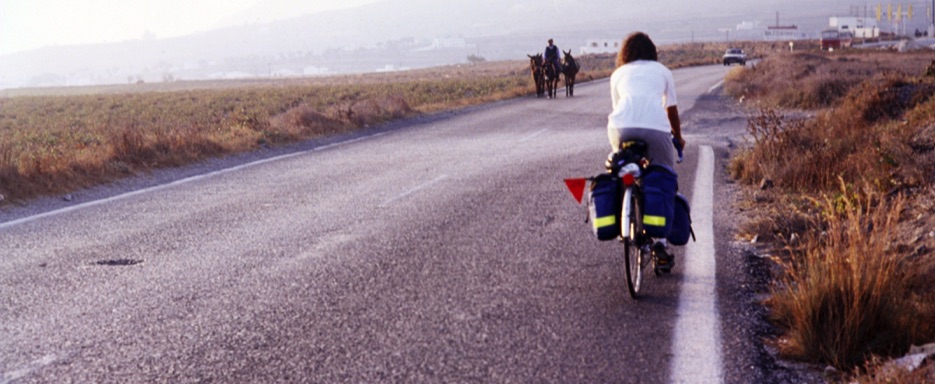
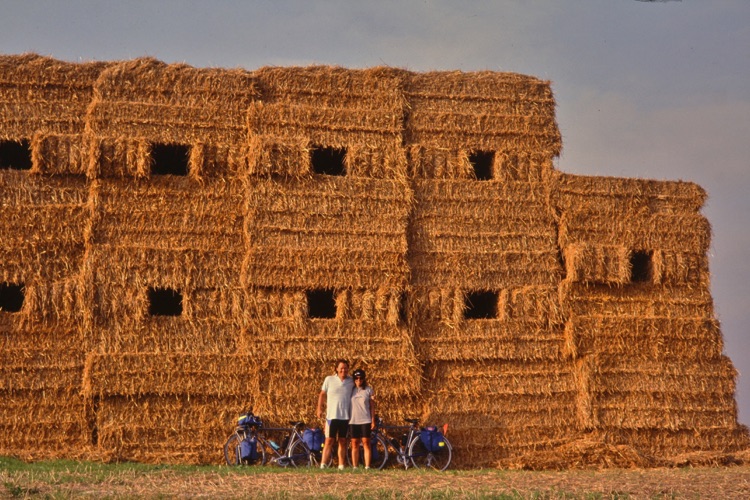
My first autonomous bike-touring adventure in Europe was something extraordinary: 4,684 km through cities, villages, mountains, and coastlines, facing new challenges and breathtaking scenery every single day. Until then, cycling had meant long rides that always ended back home. This time, we explored the continent at our own pace, free to choose every stage and every detour.
Traveling Companions
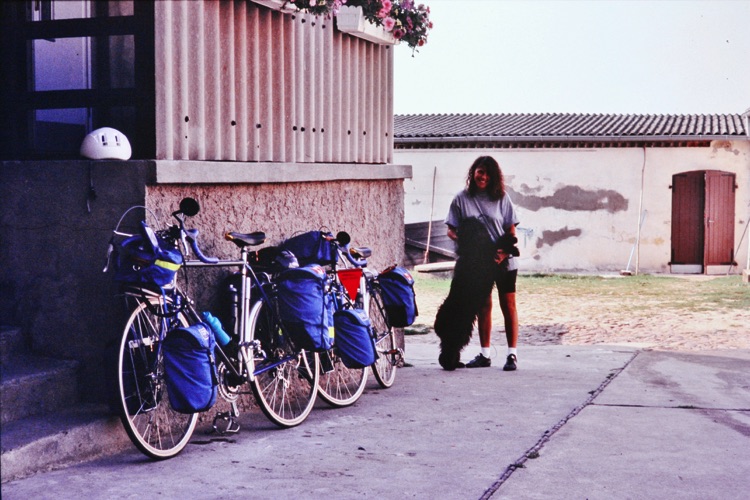
Accompanied by my travel partner, for whom this was his second tour, we shared joys, struggles, and surprises. Together, we discovered hidden corners, forgotten roads, and landscapes that will remain etched in our memories.
Countries and Landscapes
We ventured through England, Ireland, France, Switzerland, Liechtenstein, Austria, and along the Adriatic coasts of Croatia and Italy. Each country offered something unique: lively cities, quiet villages, mountain passes, and breathtaking shores. Every day was a new chapter, filled with discovery, challenge, and pure emotion.
Freedom on Two Wheels
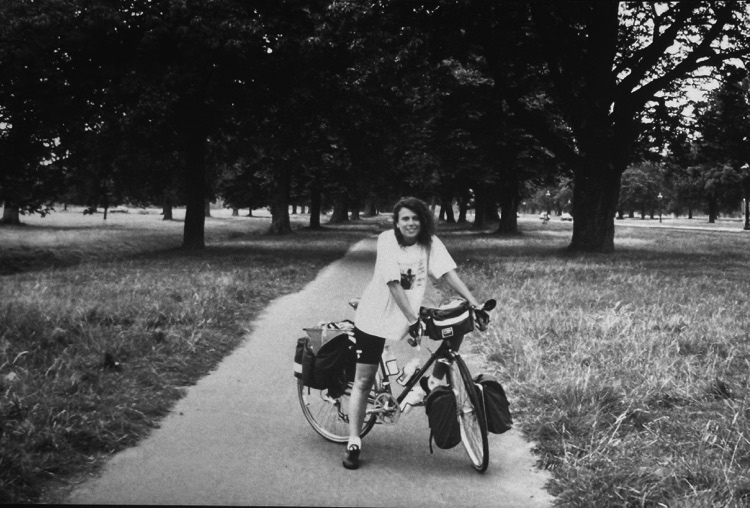
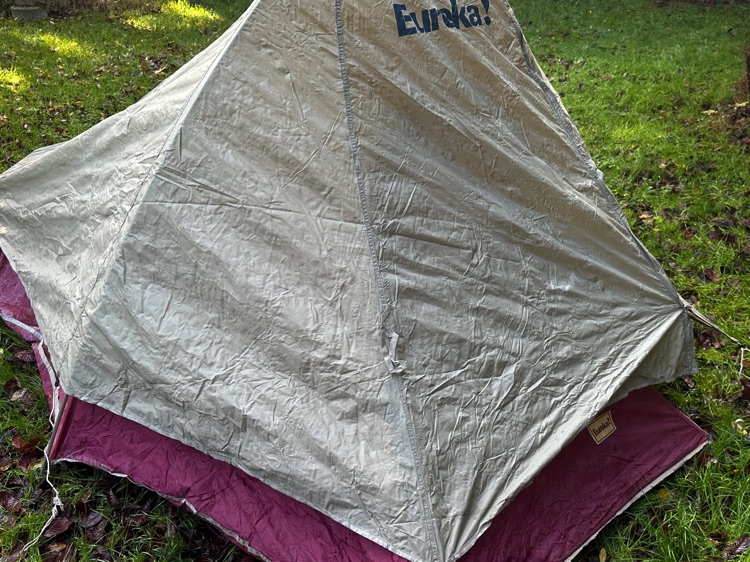
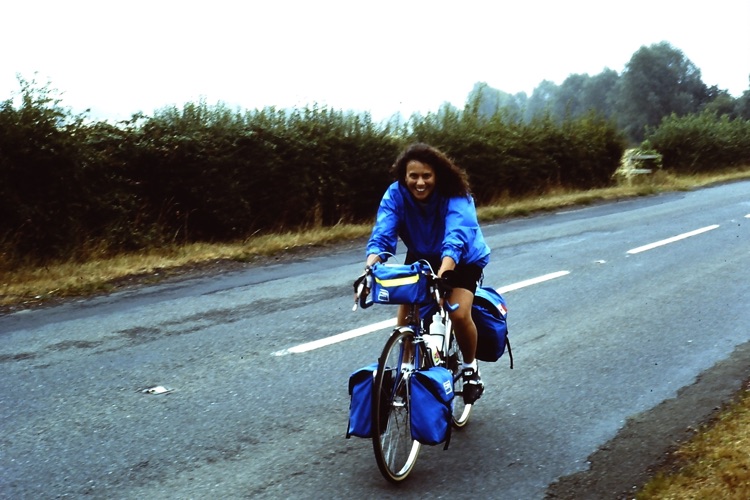
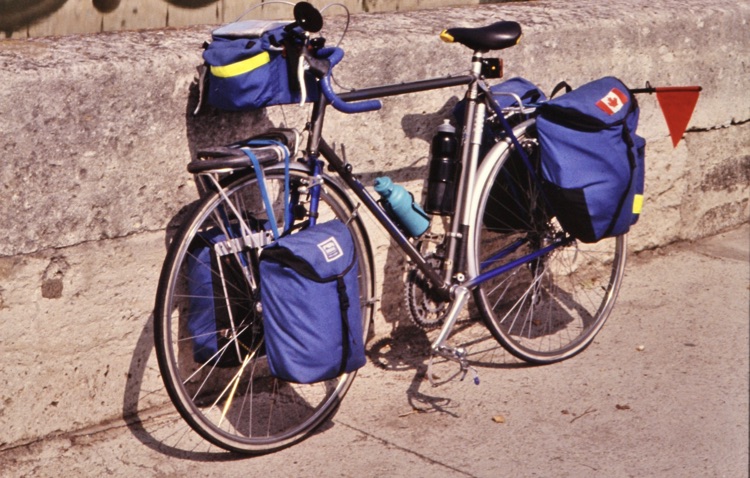
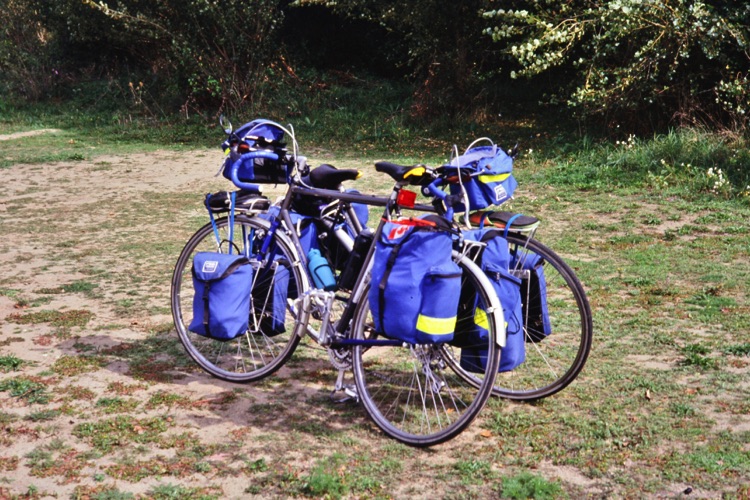
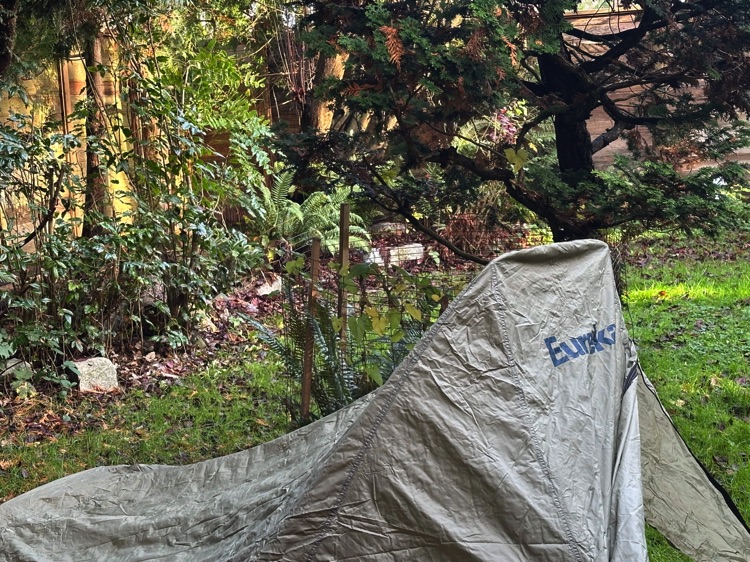
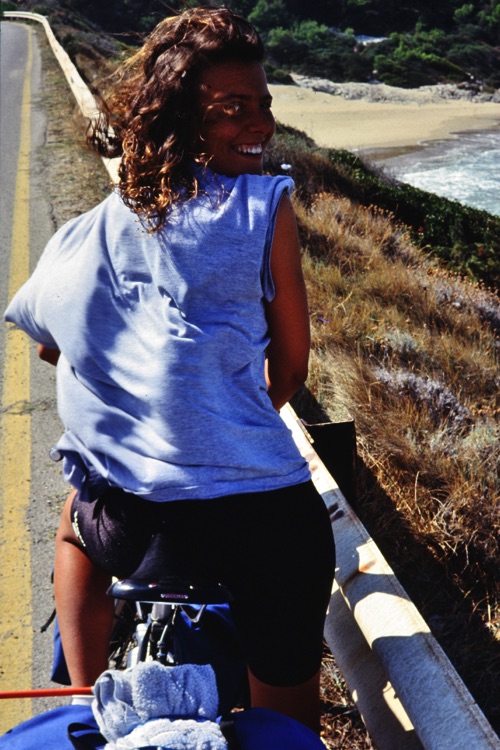
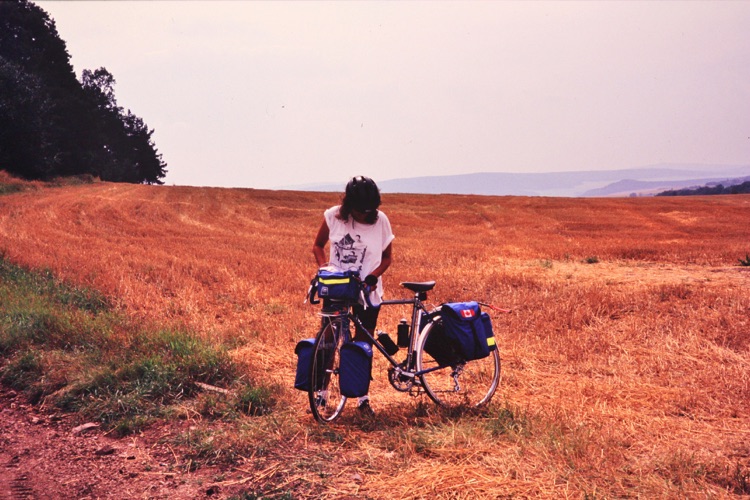
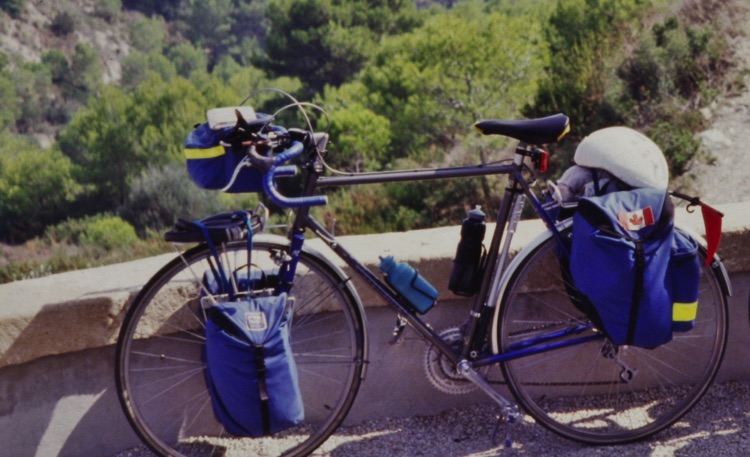
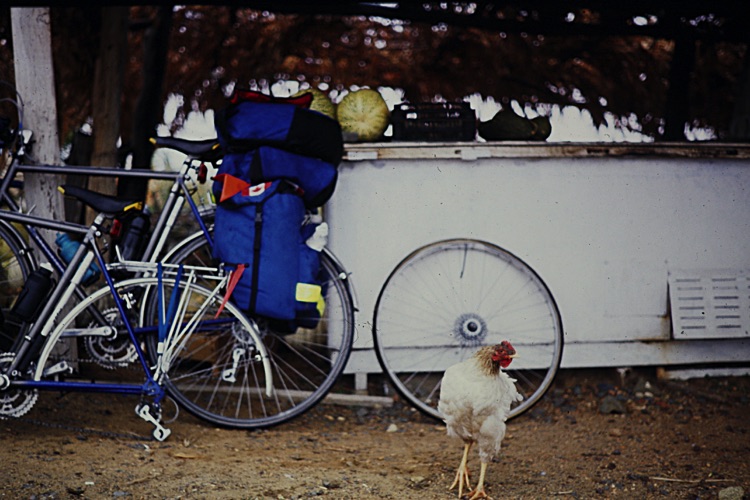
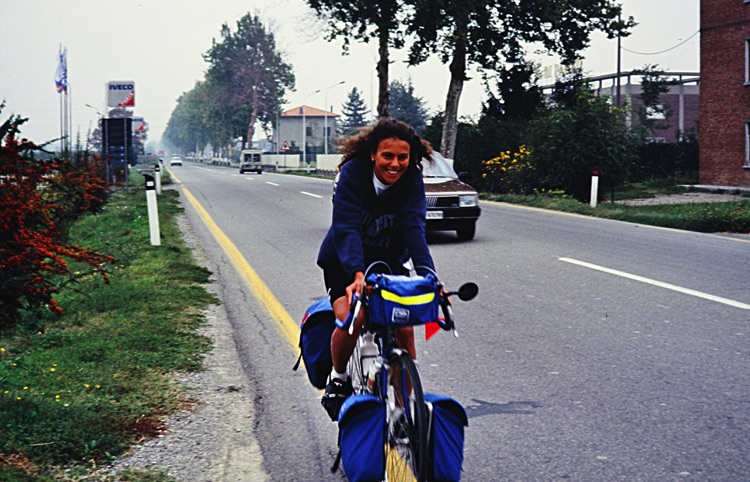
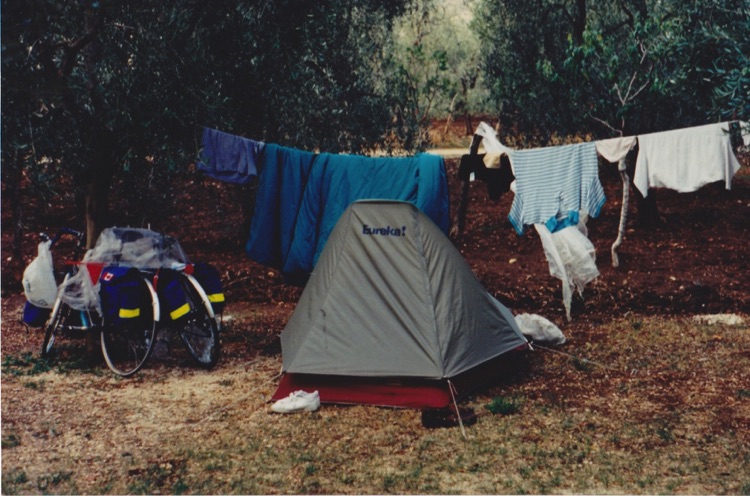
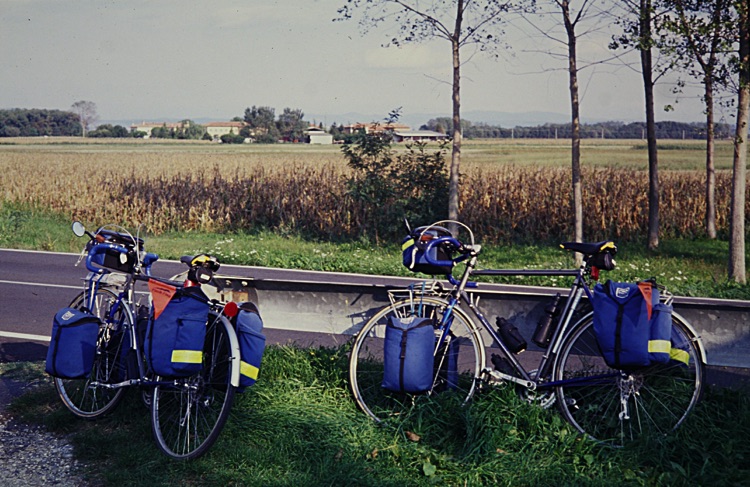
Travelling without a fixed itinerary, guided only by curiosity and the open wind, made the experience truly special. With panniers and a tent, every day was a total immersion in nature and local cultures. Every pedal stroke became an encounter with freedom two free spirits in search of adventure, discovery, and the pure joy of movement.
The Alps: Challenge and Wonder
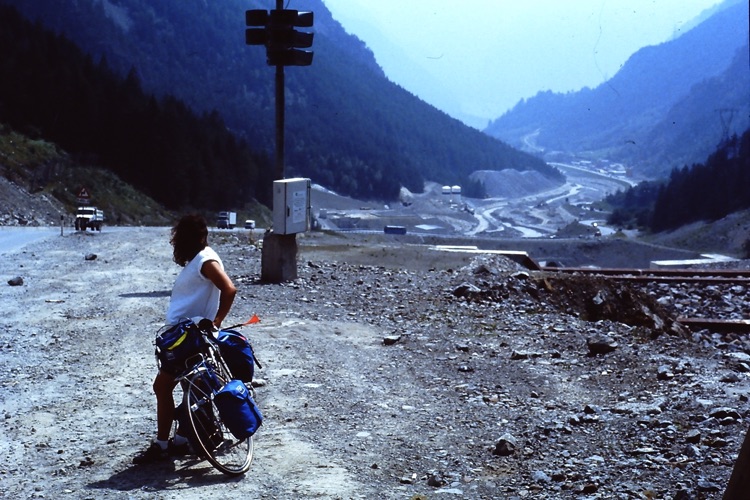
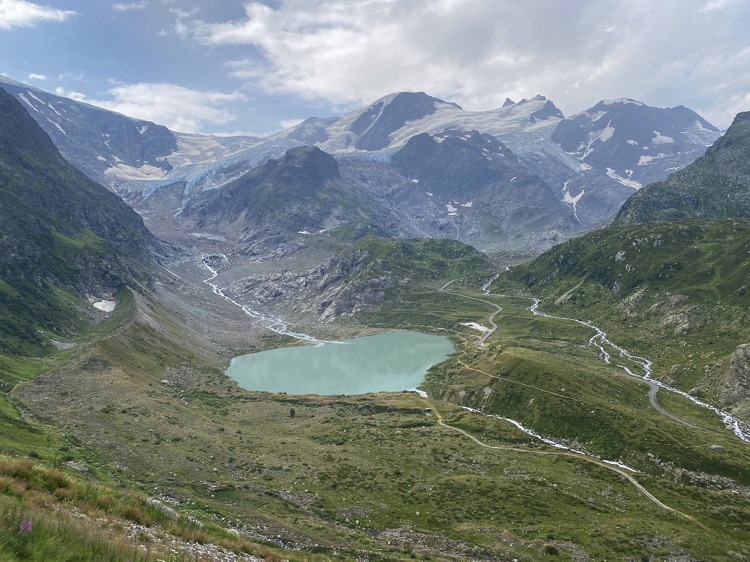
Among the most exciting stages was my first real ride in the Swiss Alps, climbing the Susten Pass. It was unlike anything I had ever experienced: the bike was loaded with bags, and every meter of ascent required more strength, endurance, and focus. The climb was demanding yet rewarding, with gradients between 7% and 10%, softened by gentler stretches that allowed us to catch our breath.
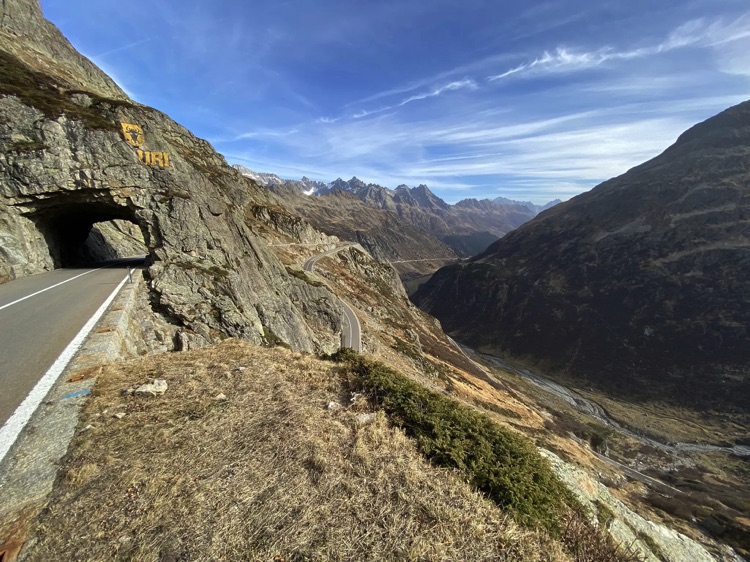
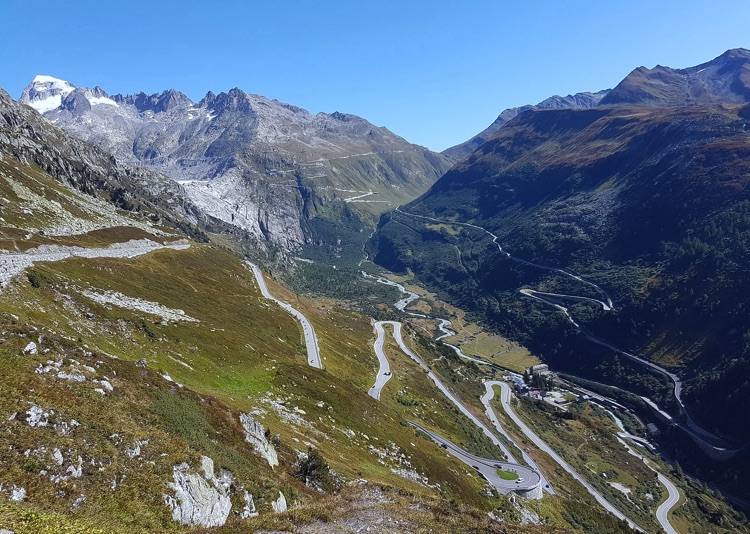
Glittering glaciers, roaring waterfalls, and grand views culminated at 2,224 meters of elevation. The descent—fast and smooth turned all the accumulated effort into pure joy and adrenaline, gifting an unforgettable sensation of achievement.
The Essence of the Journey
Every climb, every descent, and every flat stretch confirmed how deeply we love cycling through awe-inspiring landscapes. This journey was not just about kilometers and effort: it was a continuous discovery, a celebration of life on two wheels, and an authentic encounter with people, places, and cultures. Cycling became a way of living feeling the world, respecting its rhythm, and savoring its beauty, pedal stroke after pedal stroke.
Conclusin
This adventure will forever remain in my heart: an invitation to explore, discover, and let yourself be guided by the road, the wind, and the wonder of the unknown. Each pedal stroke revealed how genuine the world appears from the saddle of a bicycle. And as the final miles fade into memory, a new awareness comes to life: this is only the beginning. Onward to new adventures.

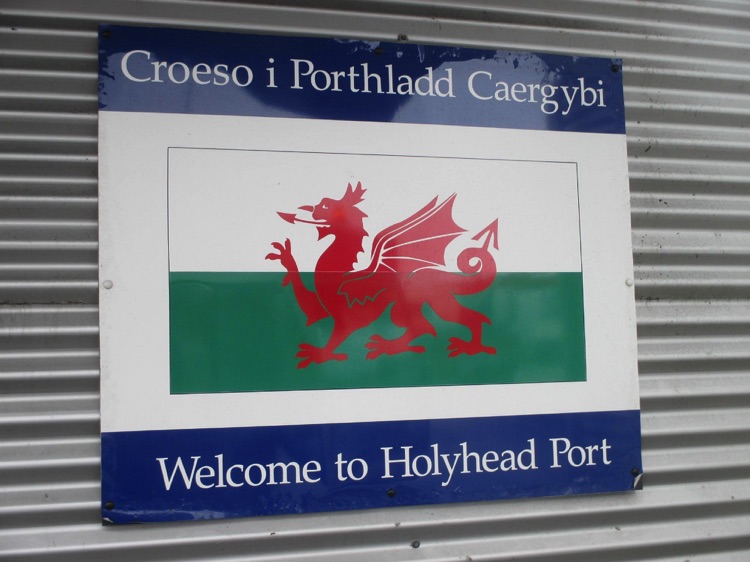
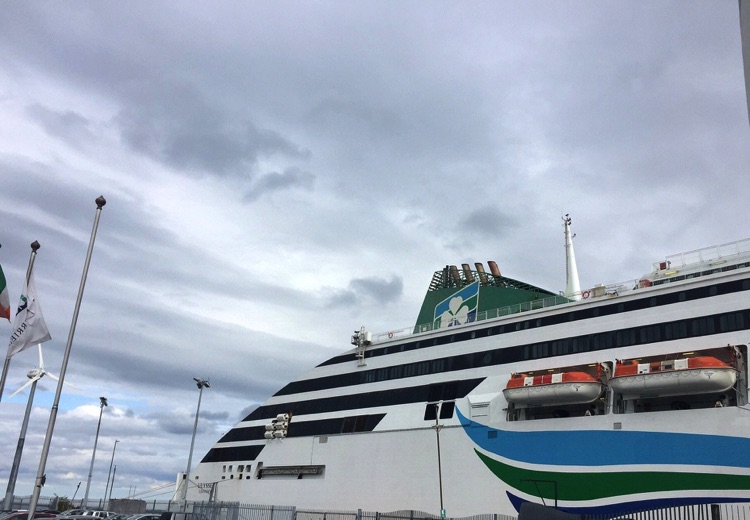
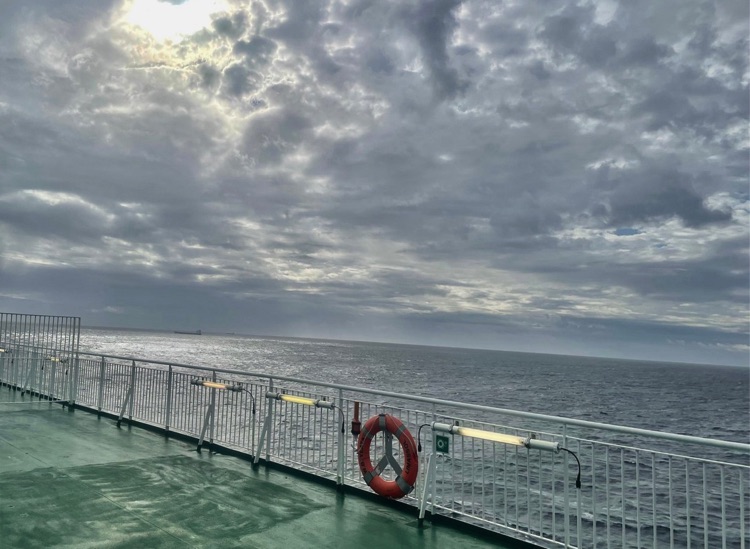
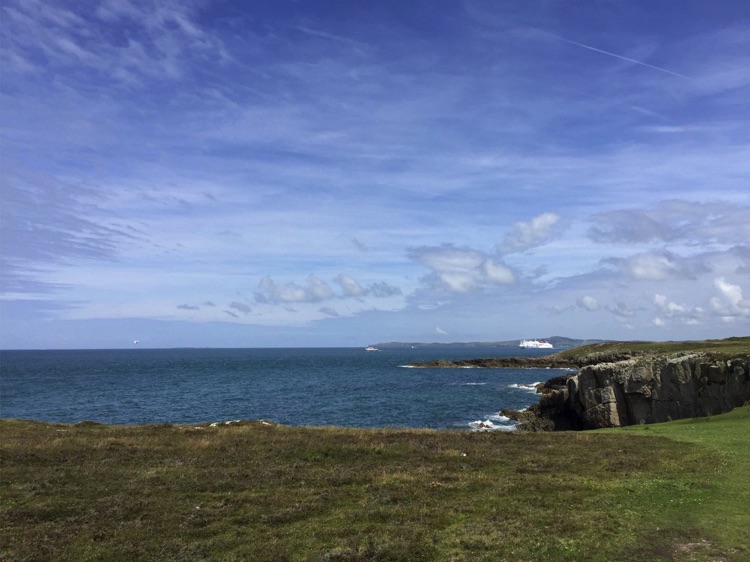
⛴️ Crossing: Holyhead → Dublin, Ireland 🇮🇪
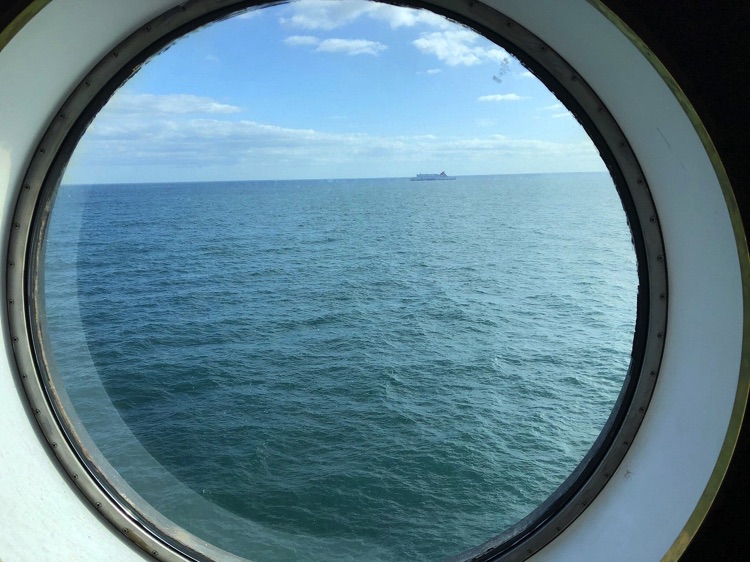
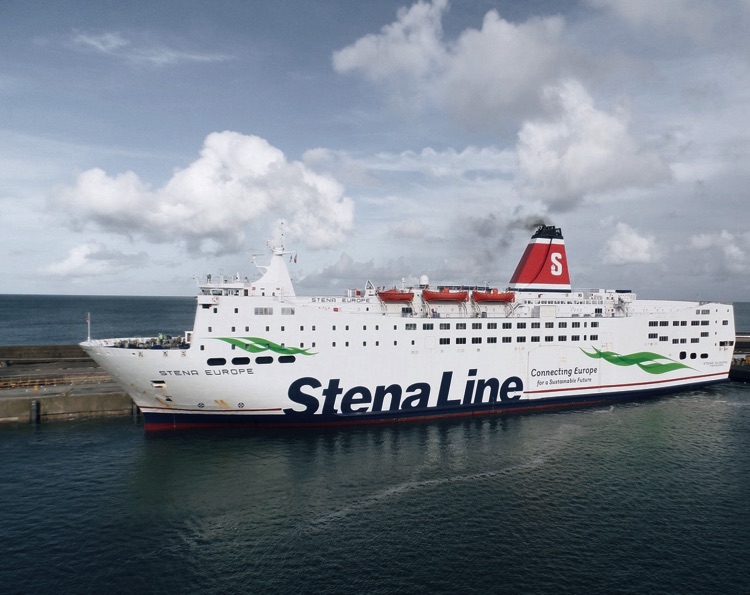
From Holyhead, we boarded the ferry to Dublin, a journey of about 3 hours and 20 minutes. Sitting on the deck, we watched the restless ocean and the waves in motion. On the horizon, the Irish coastline appeared, with cliffs and headlands rising from the sea.
Excitement grew with every mile traveled, as we prepared to take up our bicycles again and tackle the first Irish roads, ready to discover landscapes, towns, and villages along our route.
🇮🇪 Ireland: Through cities, lakes, and the Ring of Kerry
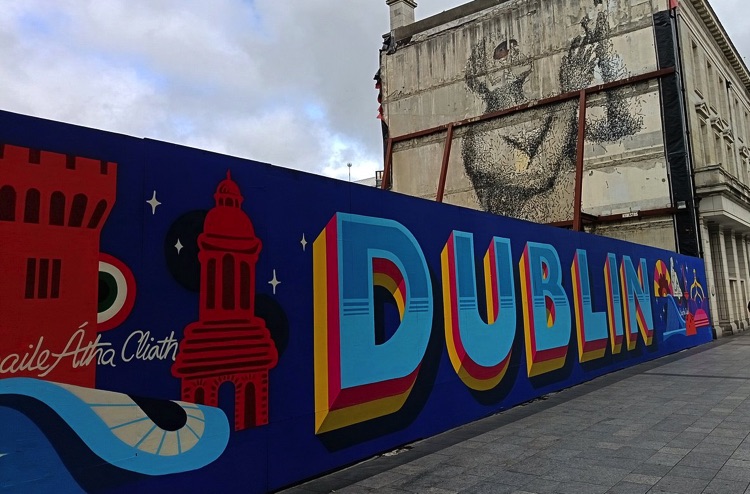
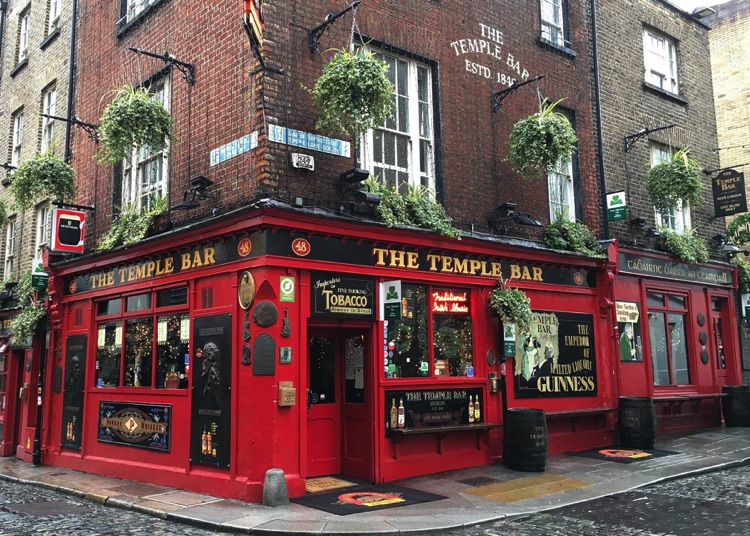
Upon reaching Dublin, Ireland’s vibrant capital, we left our bicycles behind to explore the city on foot: O’Connell Street, the River Liffey, Temple Bar, and Trinity College with the famous Book of Kells, immersing ourselves in the lively and historic atmosphere of the capital.
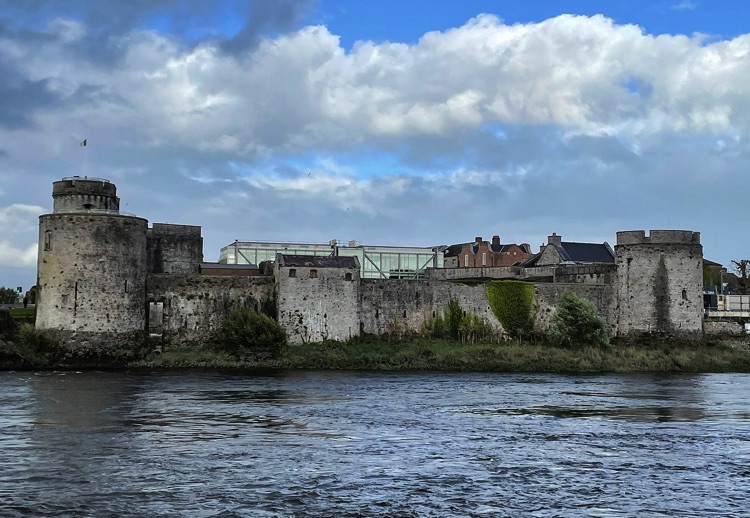
Back on the bikes, we rode through Phoenix Park, admiring free-roaming deer and green lawns, and followed secondary roads toward the towns of Newcastle, Rathcoole, Kilteel, Punchestown, Curragh, Kildare, and Portlaoise. The stage toward Limerick, a historic city on the River Shannon, was mostly flat, with rivers, picturesque bridges, and green fields passing slowly by. Overlooking the center of Limerick stands the famous King John’s Castle, an imposing 13th-century fortress whose towers and medieval walls tell centuries of Irish history.
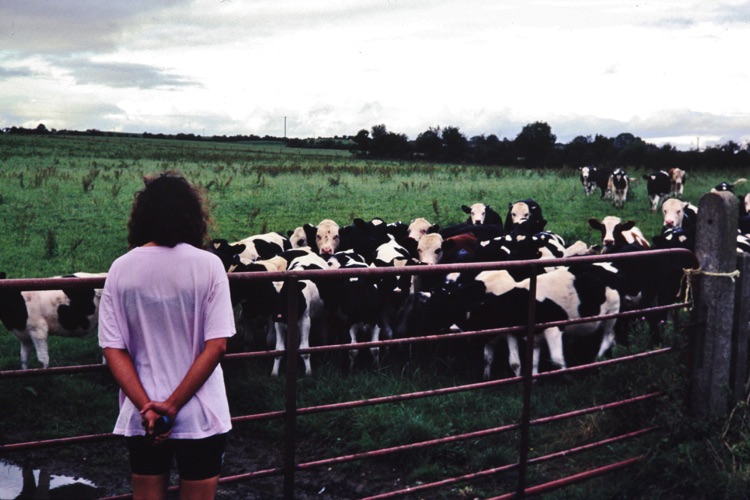
After Limerick, we entered Curraheen Forest, among tall trees and shaded paths. Continuing toward Foynes, Tarbert, Listowel, and finally Tralee, the county town of Kerry, intermittent rain made the roads slippery but exhilarating. The villages along the way welcomed us with warmth and curiosity.
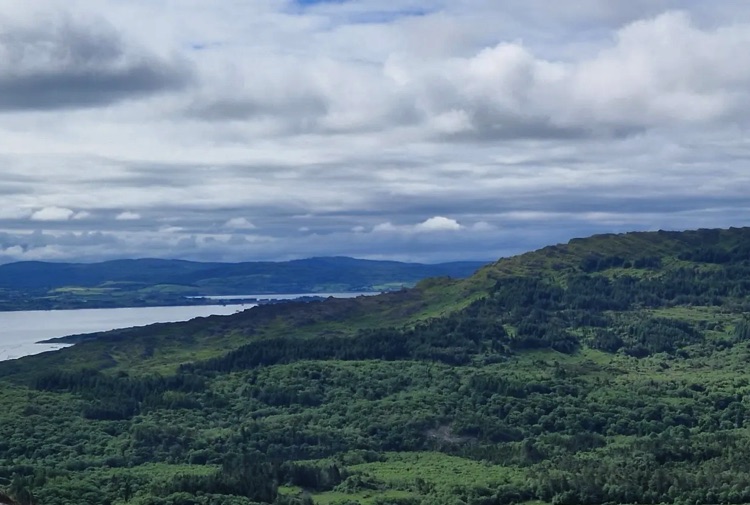
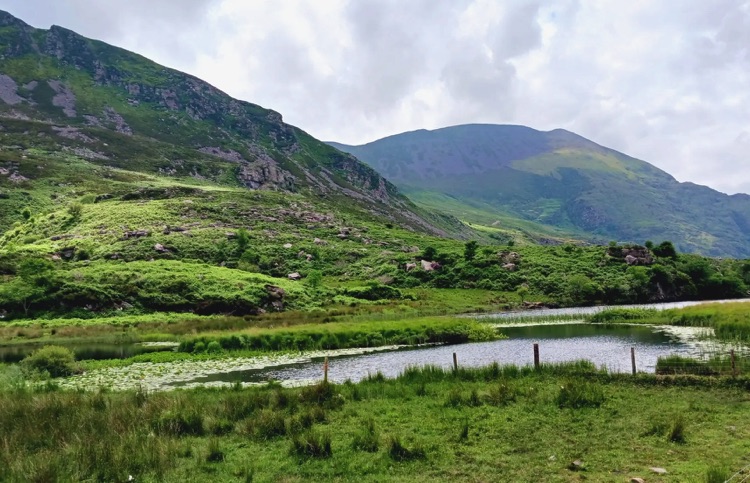
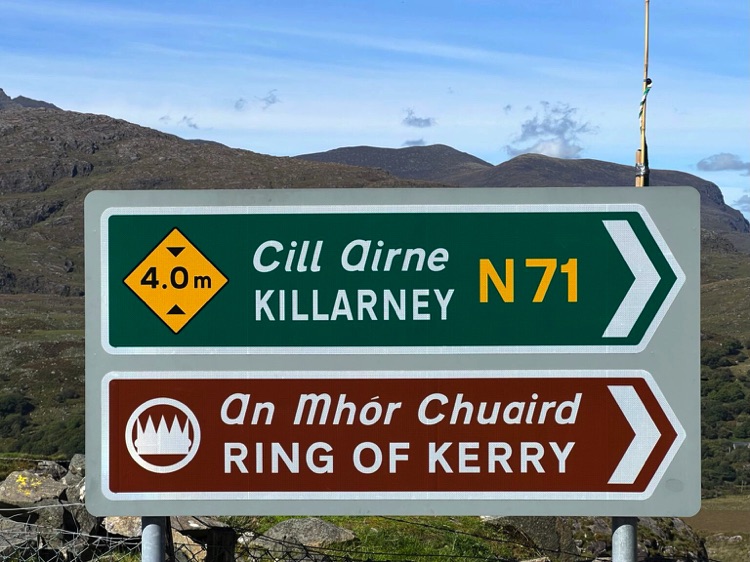
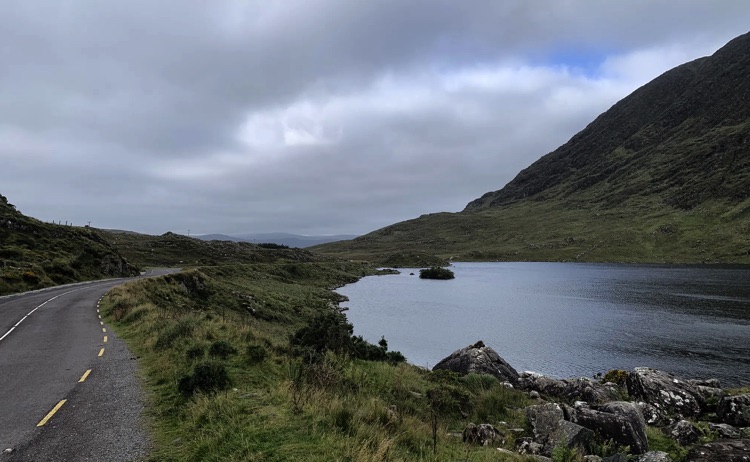
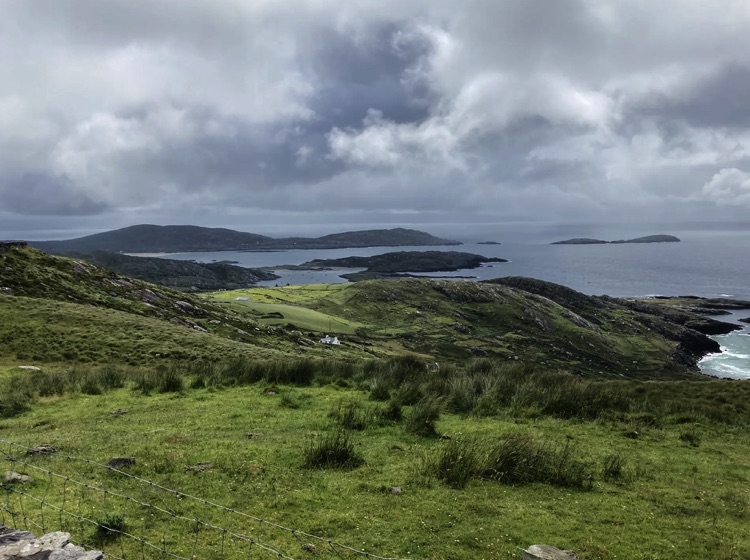
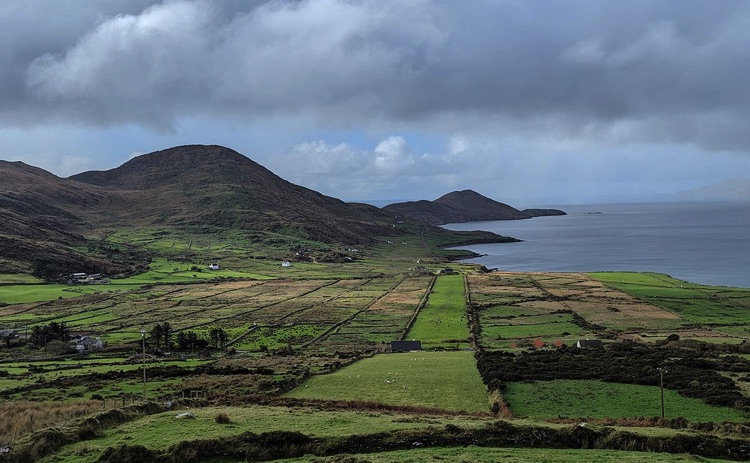
From Tralee, we tackled the Ring of Kerry, a circular route in County Kerry, between the Atlantic Ocean and the mountains. Amid clouds, light rain, and occasional bursts of sun, hills, cliffs, and isolated villages offered breathtaking views. Continuing to Kenmare and then inland through lakes and mountains to Killarney, the scenery left us speechless.
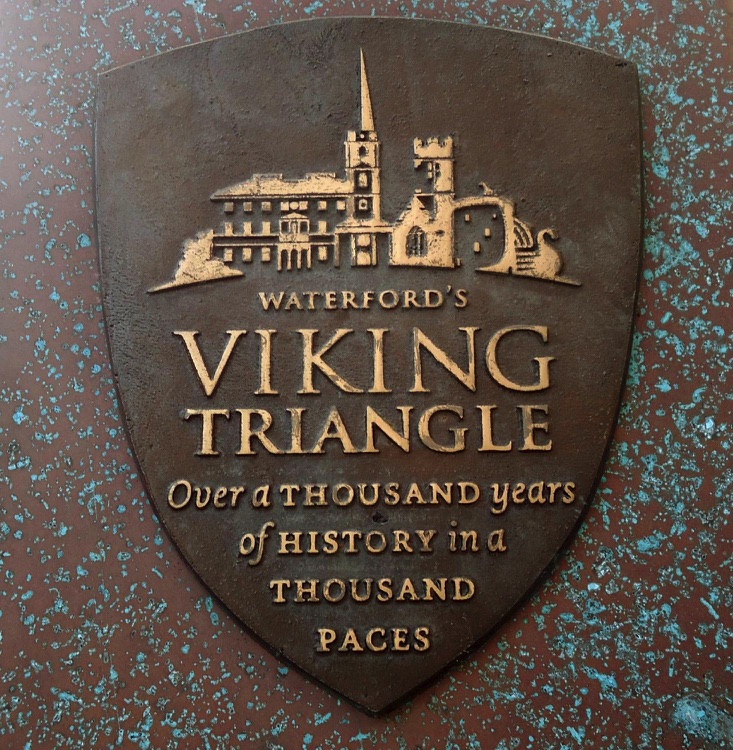
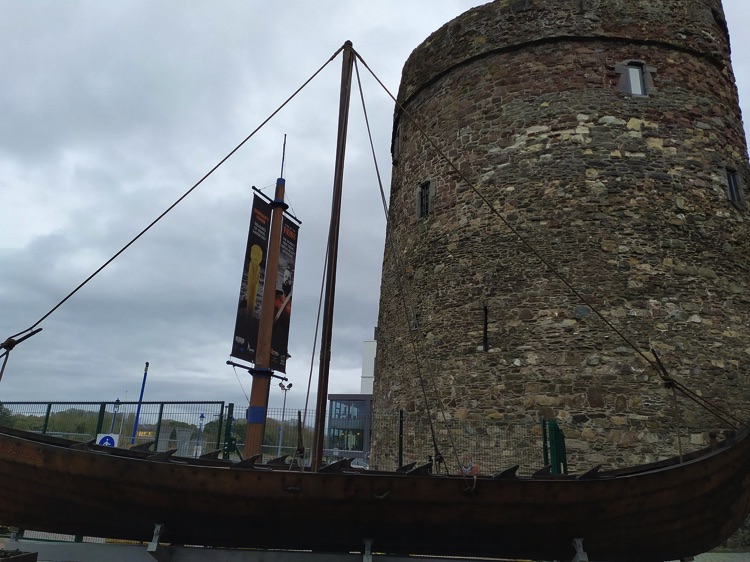
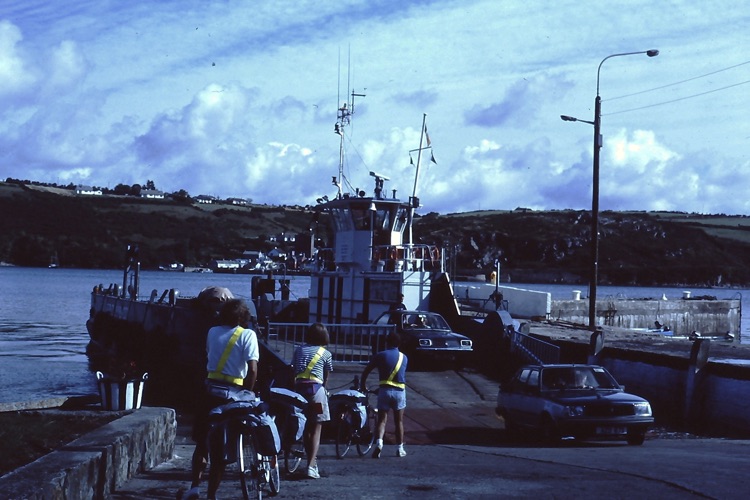
The following stages, under heavy rain, took us through Rathmore, Mallow, Fermoy, Lismore, and Dungarvan. From Waterford—the oldest city in Ireland, founded by the Vikings in the 10th century, a historic port known for its crystal and the evocative “Viking Triangle” with Reginald’s Tower—we took the ferry from Passage East to Arthurstown.
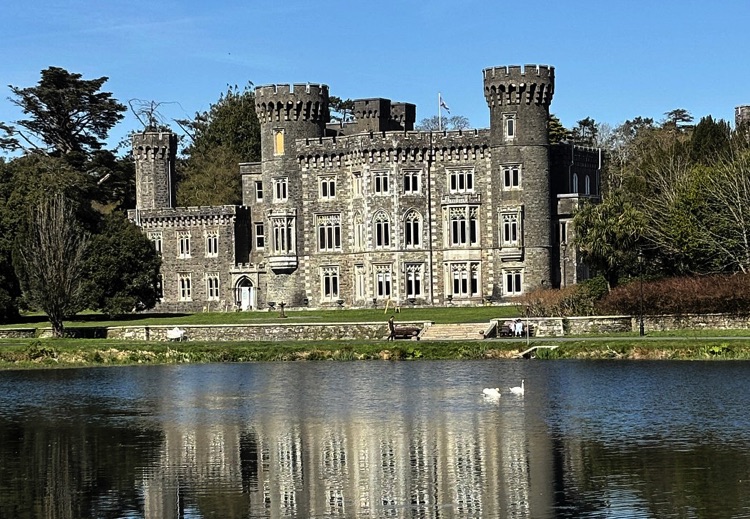
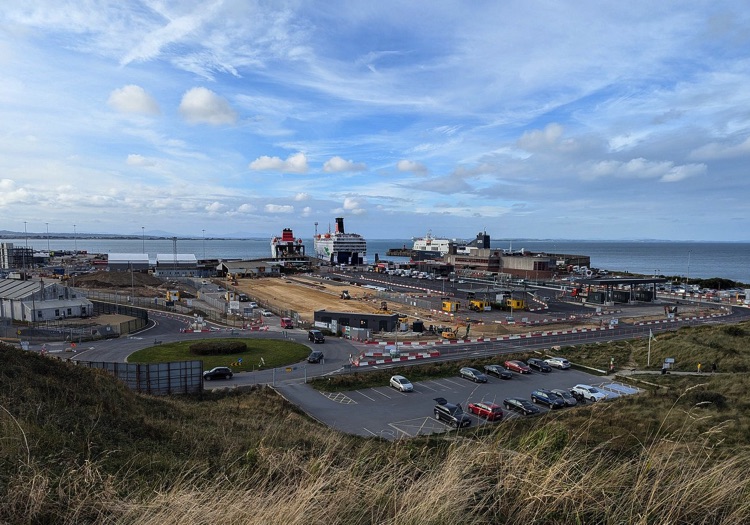
From there, we continued by bike through Murntown and Johnston Castle to Rosslare Harbour, a village and ferry port in County Wexford, on Ireland’s southeast coast, the departure point for the ferry to Le Havre in Normandy, northern France.
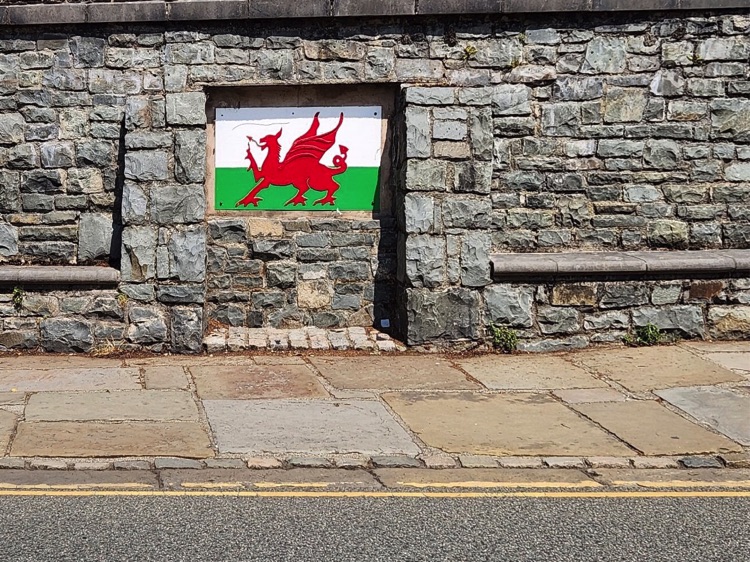
🇬🇧 🏴 Wales: The Celtic nation of mountains, coasts, and wild nature
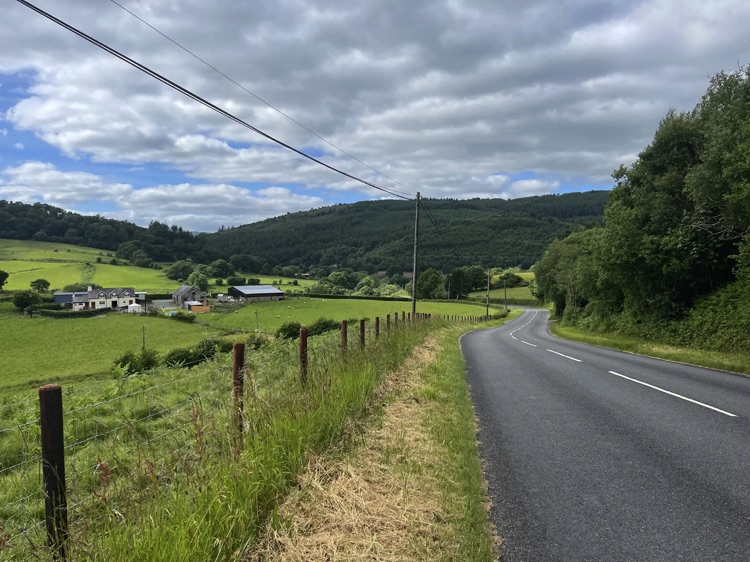
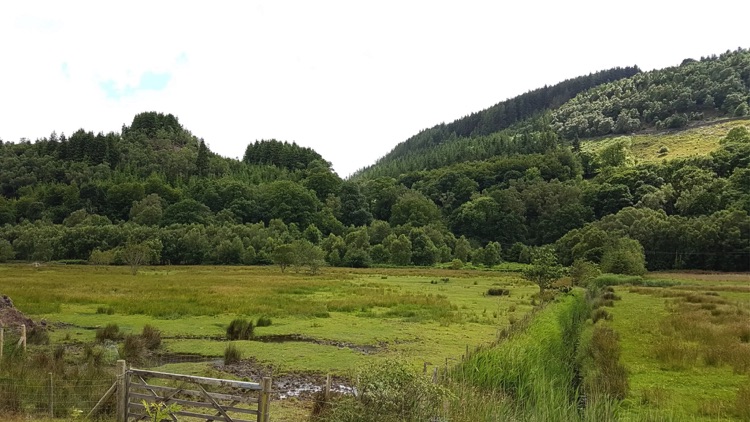
Crossing the bridge and leaving Worcester, we headed west, cycling along quiet secondary roads that passed through picturesque villages and lush countryside. The route led us to Welshpool, on the doorstep of Wales a mountainous region in the southwestern part of Great Britain, characterized by gentle hills, deep valleys, and winding rivers.
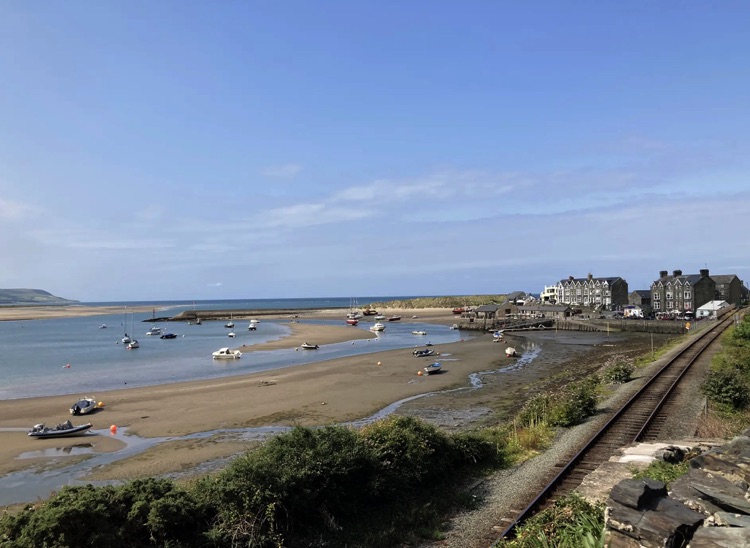
Continuing toward Dolgellau, the landscape became increasingly wild: twisting roads, hidden forests, and distant mountains dominated the scenery, while small communities dotted the valleys. Upon reaching the coast at Barmouth, the sea opened up before our eyes, with sandy beaches reflecting the first rays of sunlight.
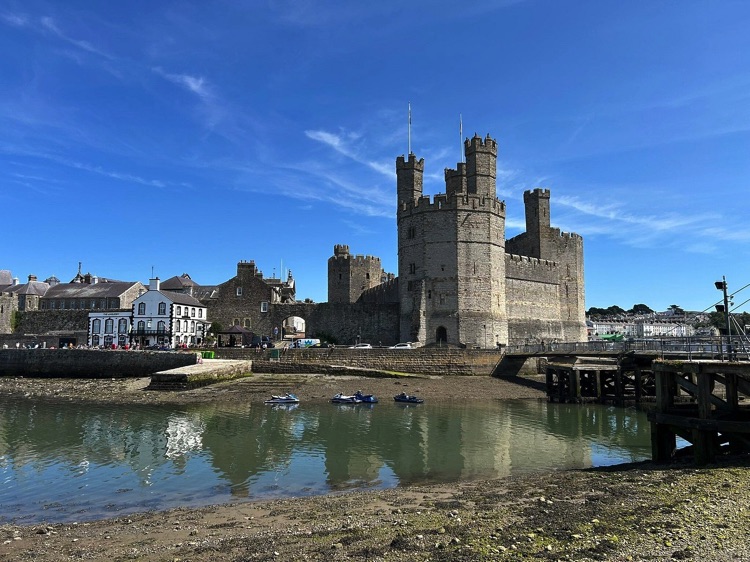
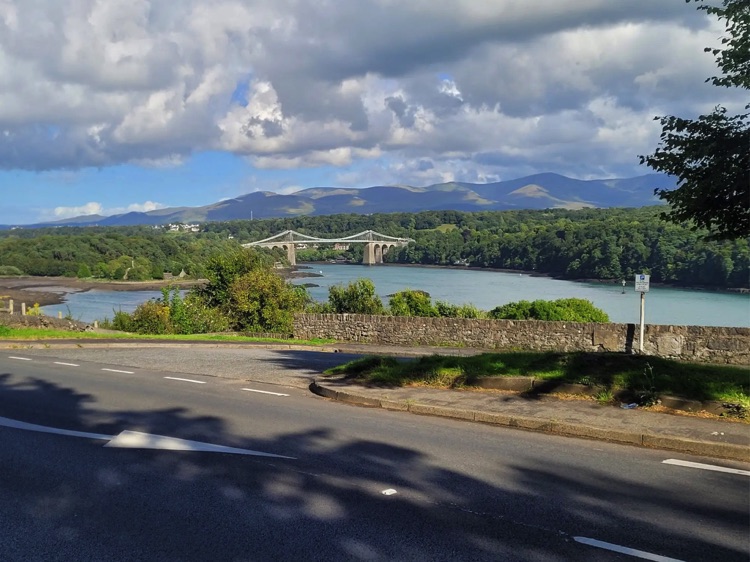
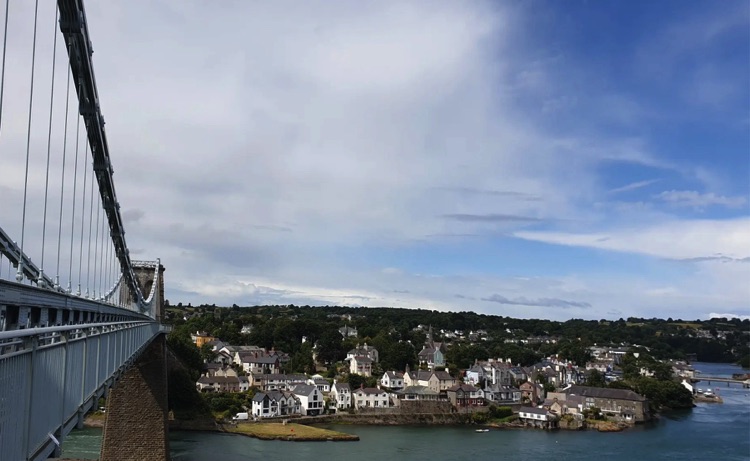
Following the coast northward, we passed through Porthmadog and Caernarfon, home to its imposing medieval castle. Just outside Bangor, we approached the Menai Bridge, a monumental structure connecting mainland Wales to the island of Anglesey. Crossing the bridge by bike suspended over the strait with the sea below was both a panoramic and adrenaline-filled experience, perfect for a photo stop.
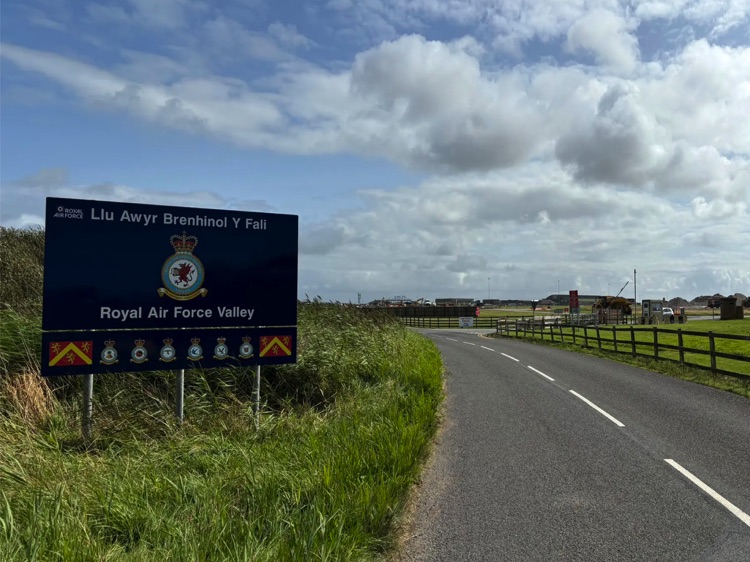
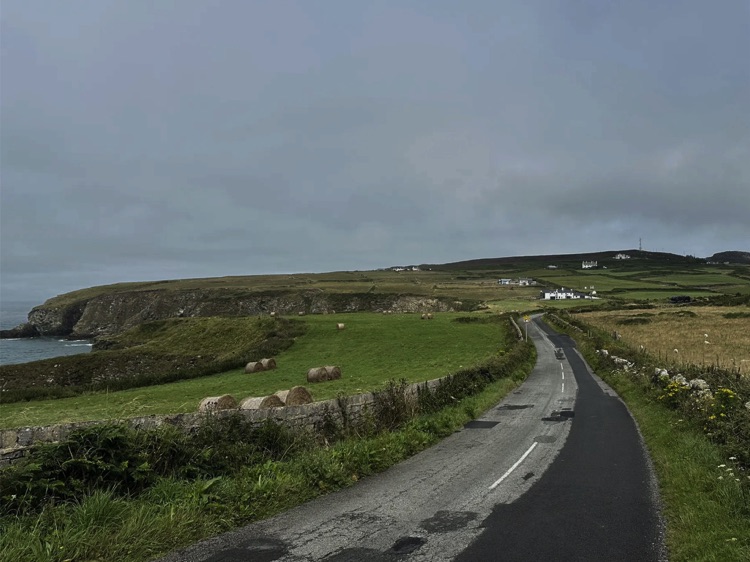
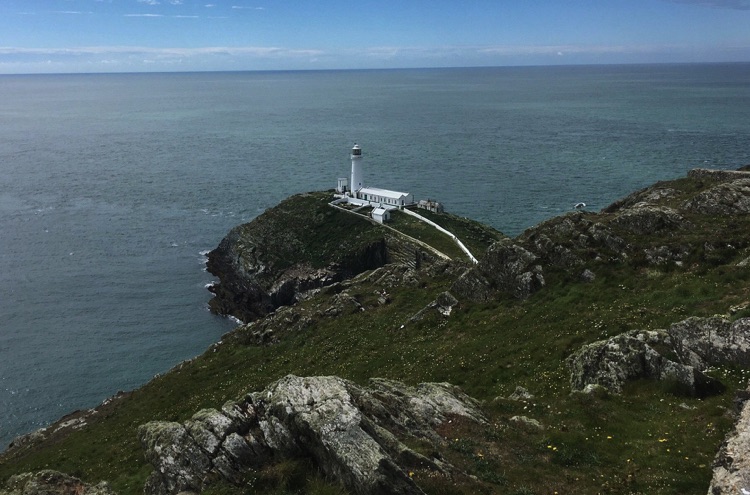
From there, we followed the coastal road past the airbase toward Holyhead, located in northwest Wales on the coast of Holy Island. Holyhead, the departure point for the crossing to Ireland, welcomed us with its sea views, cliffs, and rolling hills a perfect blend of coastal scenery and the rural landscapes typical of northern Wales.





🇨🇭 Switzerland & 🇱🇮 Liechtenstein: From alpine lakes to major climbs
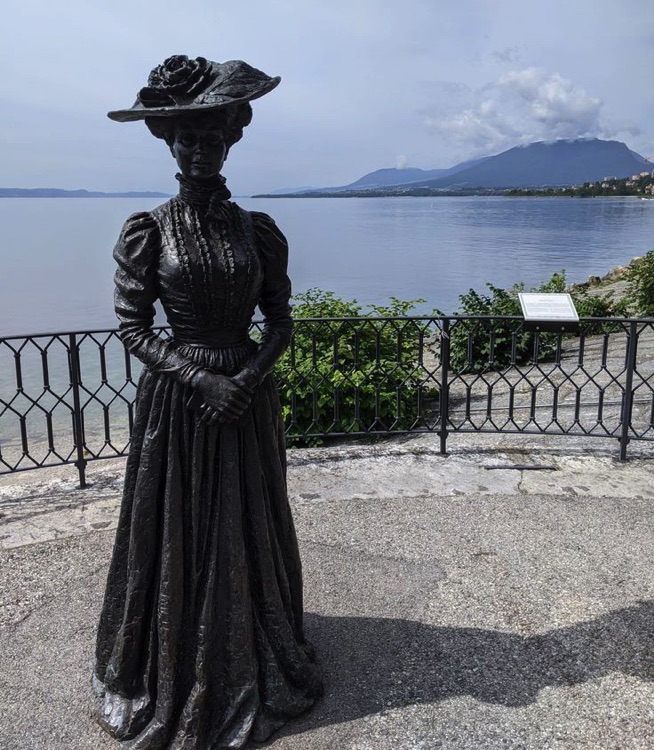
Leaving Pontarlier and France behind, we headed east, entering Switzerland. Along the way, we passed through the picturesque villages of La Chaux-de-Fonds, Le Locle, and Villeret, among gentle hills and flat stretches that allowed us to slowly take in the awakening Alpine scenery.
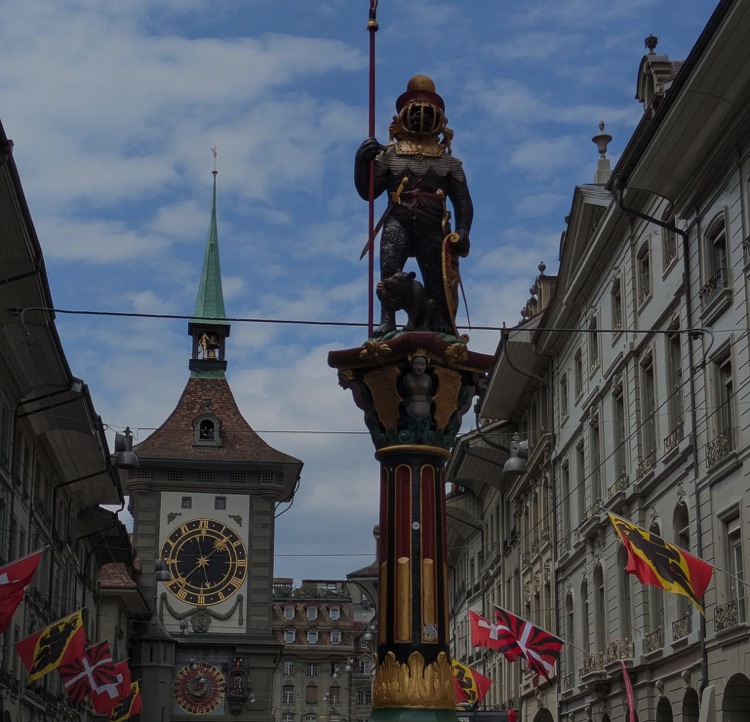
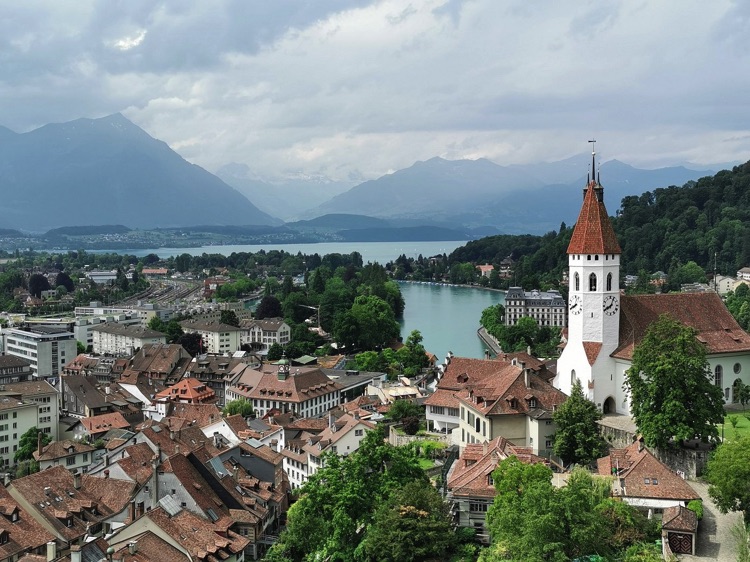
Reaching Neuchâtel, the capital of the canton of the same name on the northern shore of the lake, we stopped to admire its calm waters and surrounding hills. From there, we continued southeast to Bern, the Swiss capital, and further south to Thun, where Schloss Thun Castle rose above the lake, framed by the surrounding mountains.
Cycling along Lake Thun toward the east, we arrived at Interlaken “between the lakes” nestled between Lake Thun and Lake Brienz, a strategic point in the Bernese Alps.
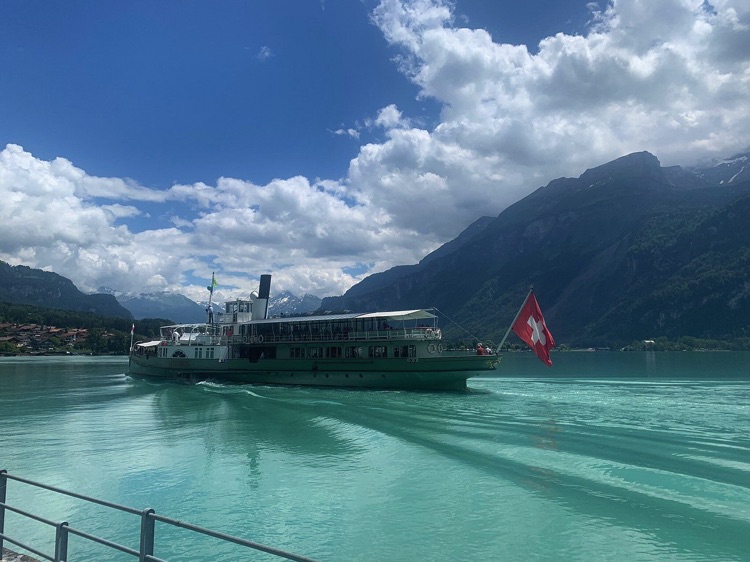
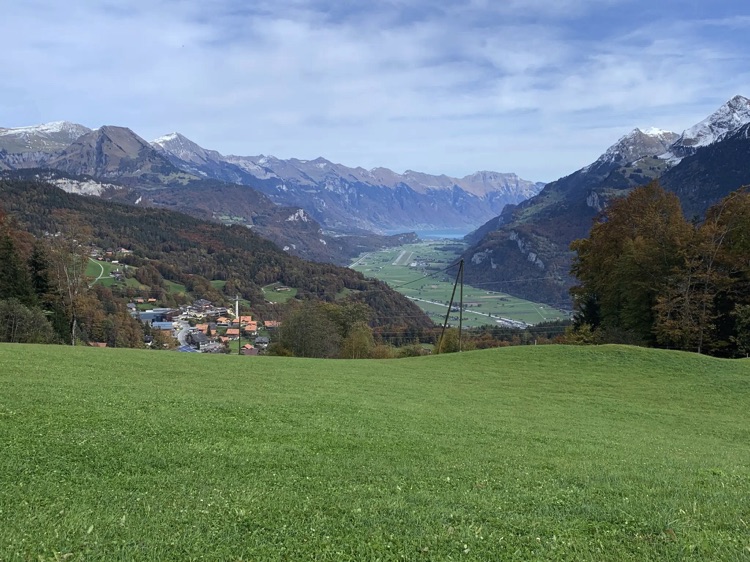
From there, we headed east into the Haslital Valley, riding along the emerald-colored Lake Brienz and passing through Meiringen, as the landscape gradually transformed into typical alpine scenery.
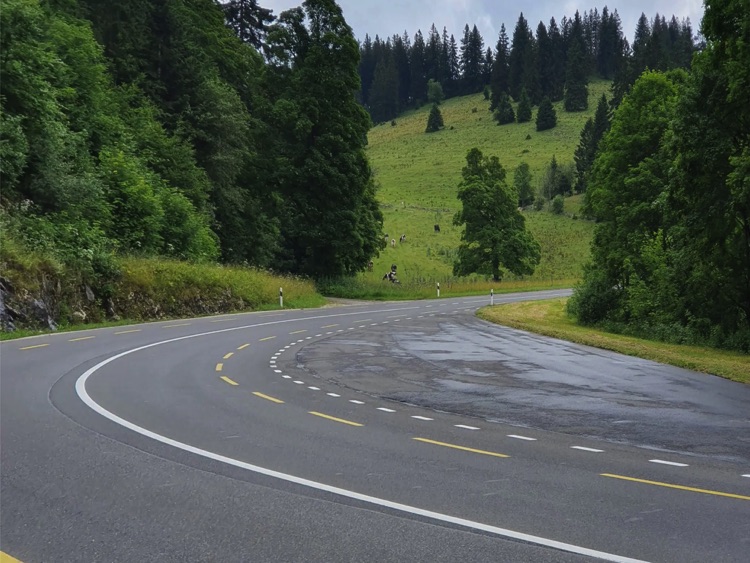
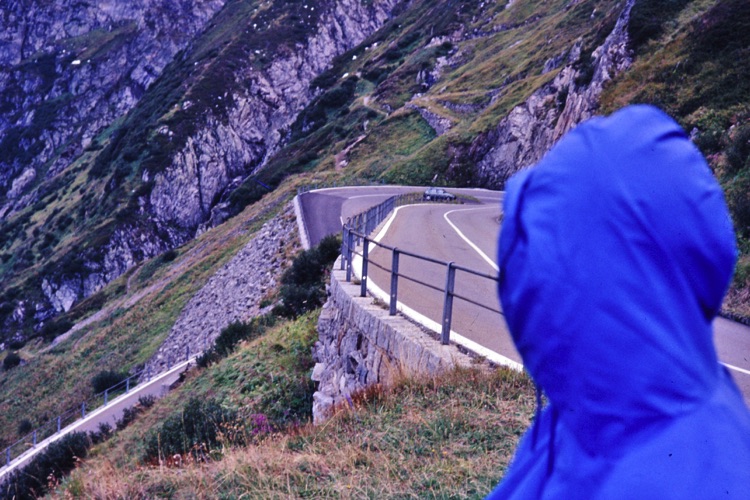
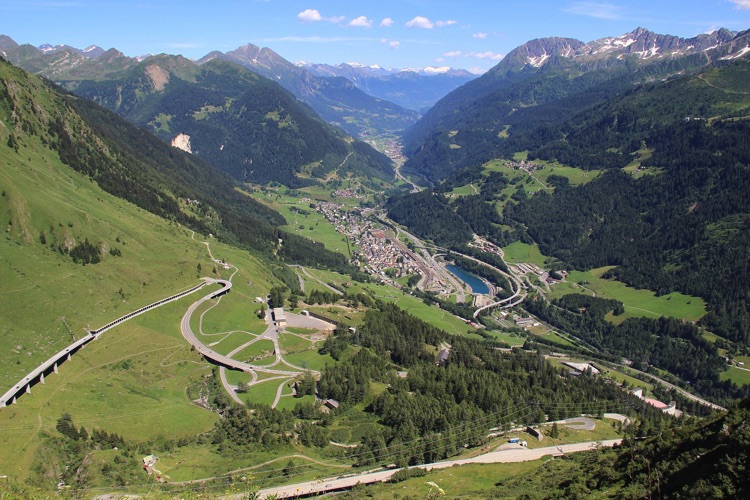
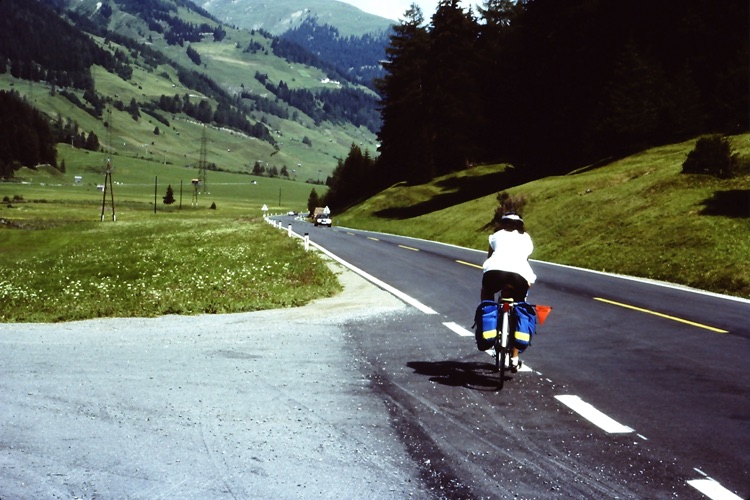
At the foot of the Susten Pass (571 m), we began the climb northeast to an altitude of 2,264 m. Panoramic curves, sparkling glaciers, and roaring waterfalls made every meter conquered a small triumph. The effort of the climbs tested our legs, but the views and the fresh, crisp Alpine air rewarded every exertion.
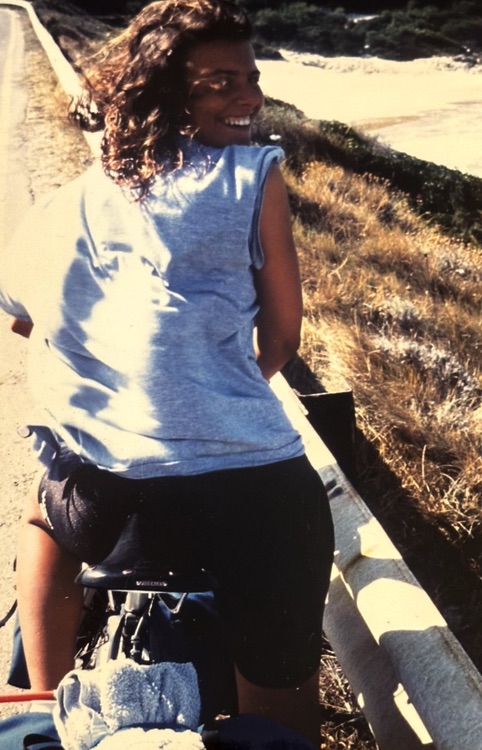
Barrier-free descents made us feel free and alive, immersed in pristine nature. And there I was: on my first Alpine pass by bike, loaded with panniers and travel gear, feeling a unique emotion grow with every curve and every meter conquered a mixture of concentration, joy, and satisfaction.
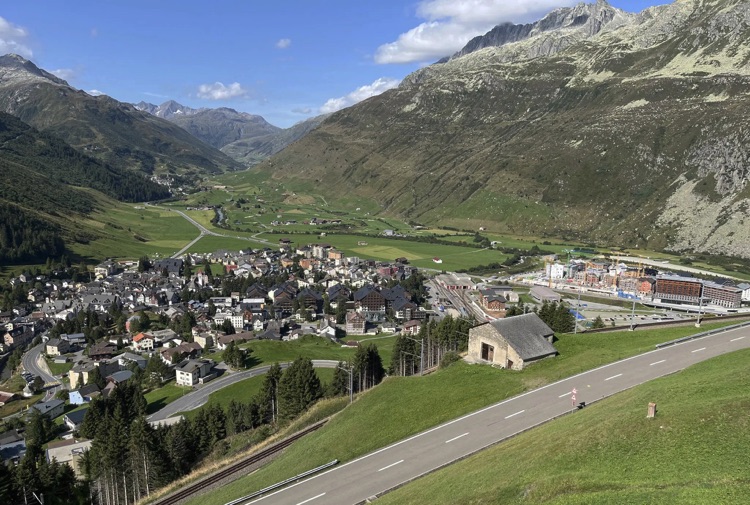
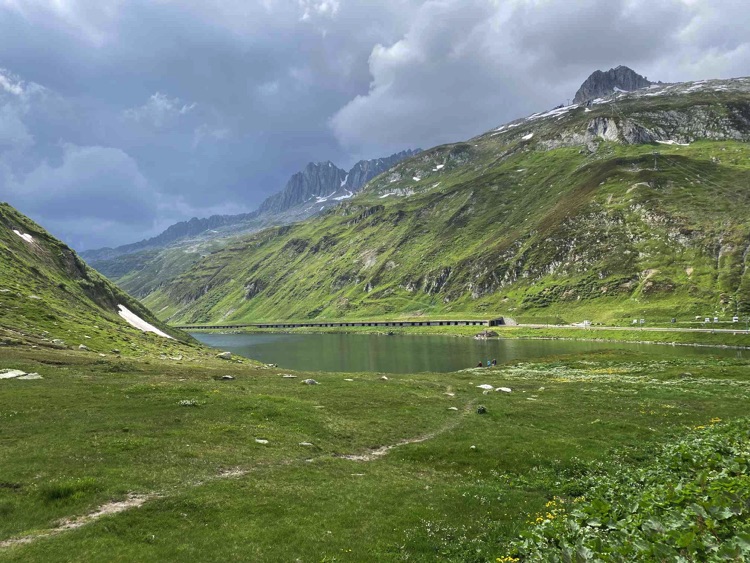
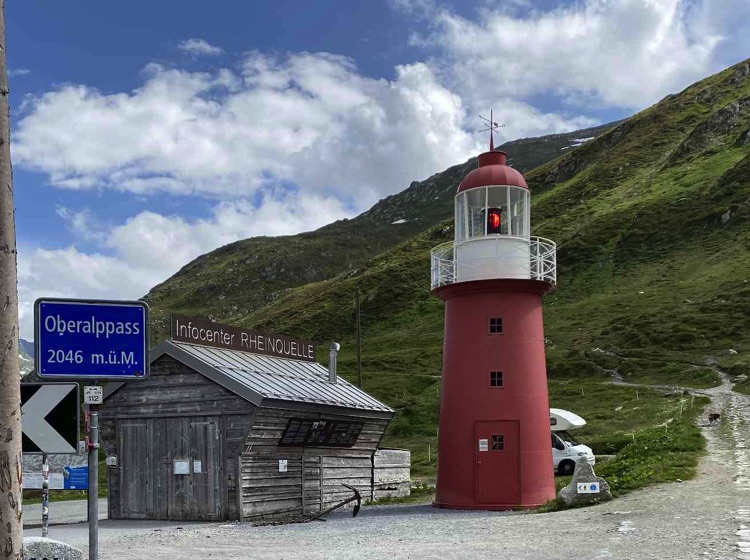
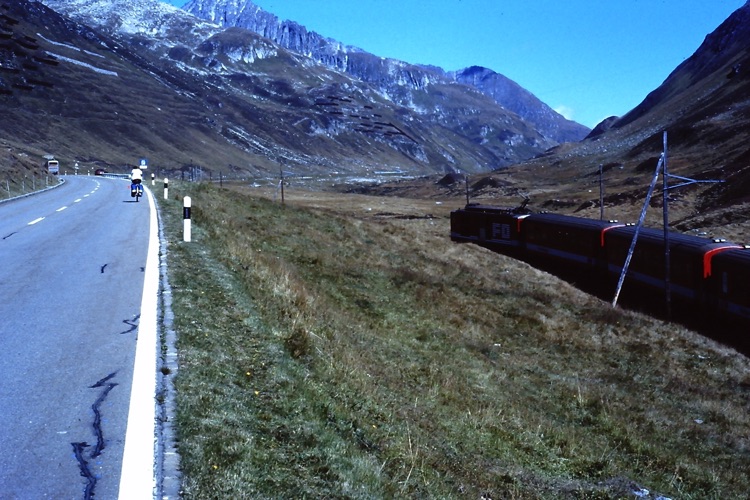
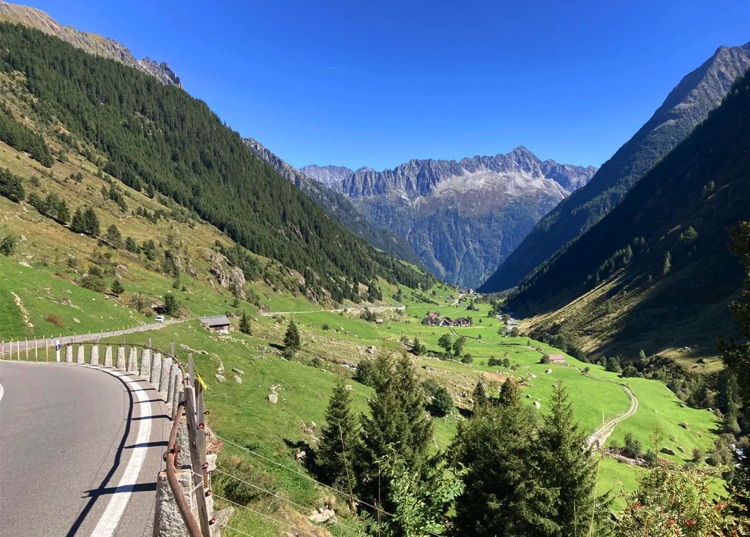
After the descent eastward, we reached Wassen, a small village in the canton of Uri, before continuing to Andermatt (1,444 m) and climbing up to the Oberalppass (2,044 m). The descent brought us to Flims, passing through alpine forests and quiet valleys, before reaching Chur, the oldest city in Switzerland.
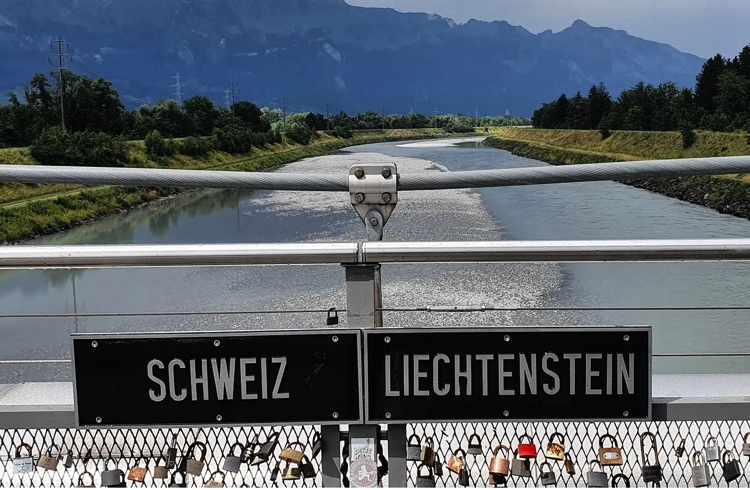
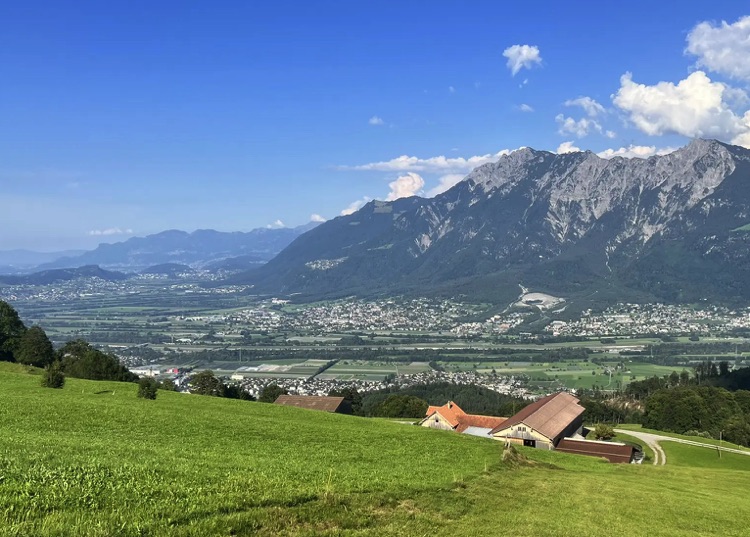
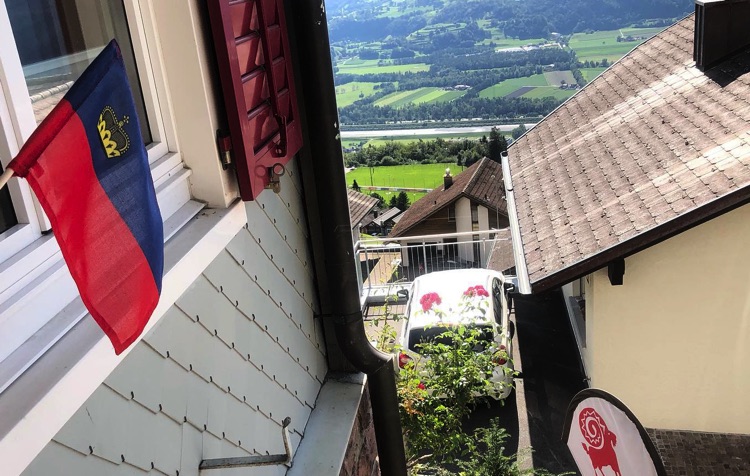
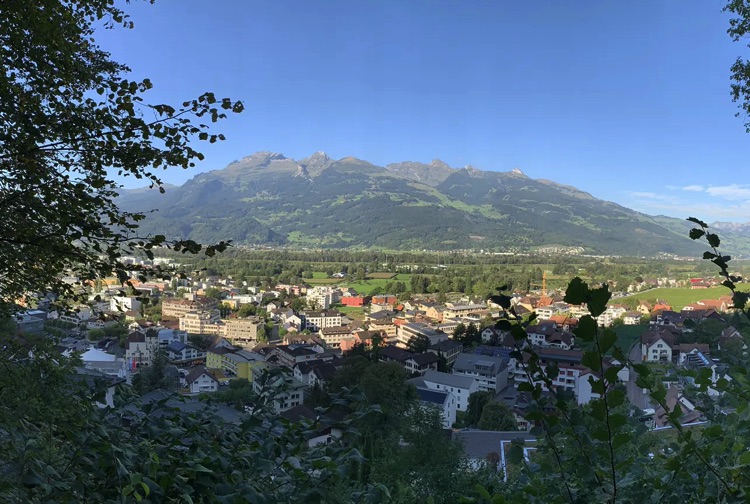
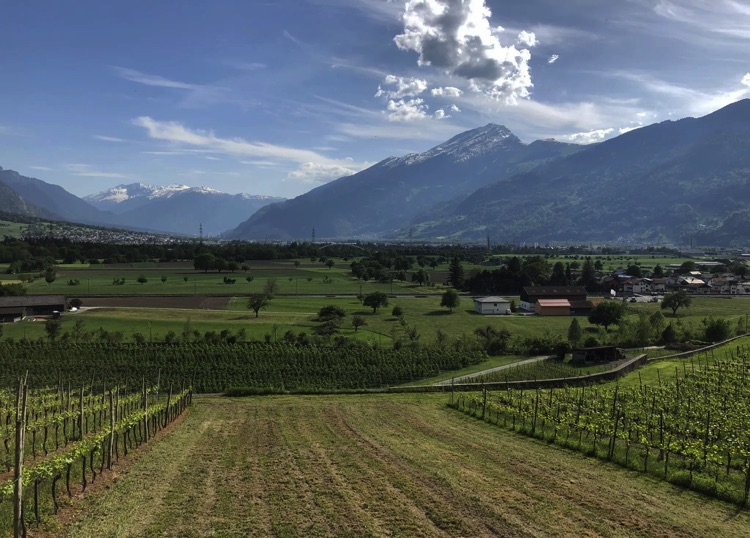
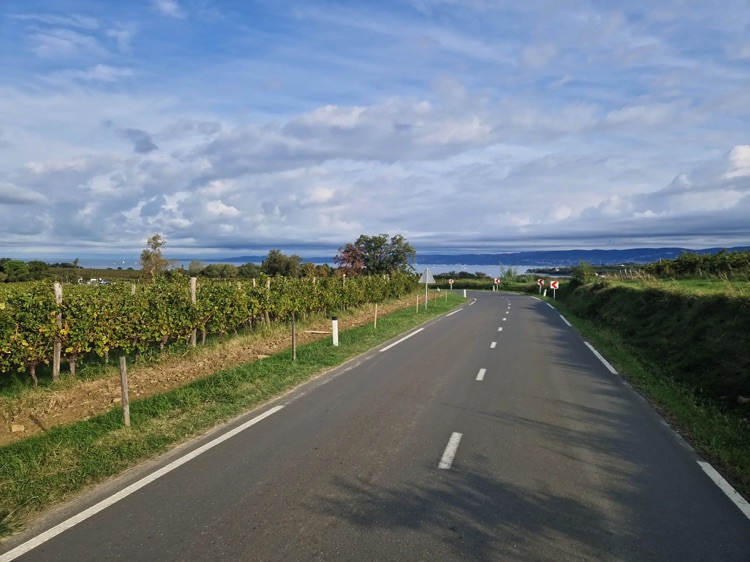
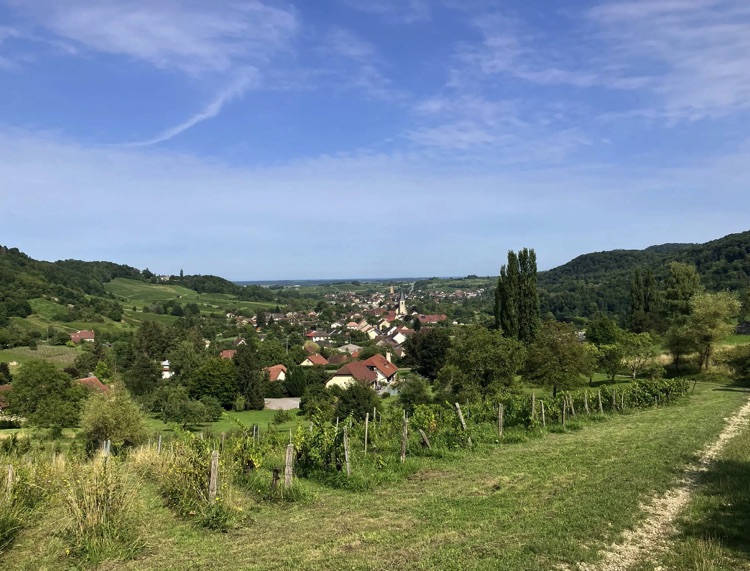
Continuing northeast, we rode through the verdant landscape of Liechtenstein. Entering the principality from the southwestern side, we passed gentle hills, vineyards, and small picturesque villages such as Triesen and Vaduz, with quiet streets that allowed us to admire castles and unique Alpine views.
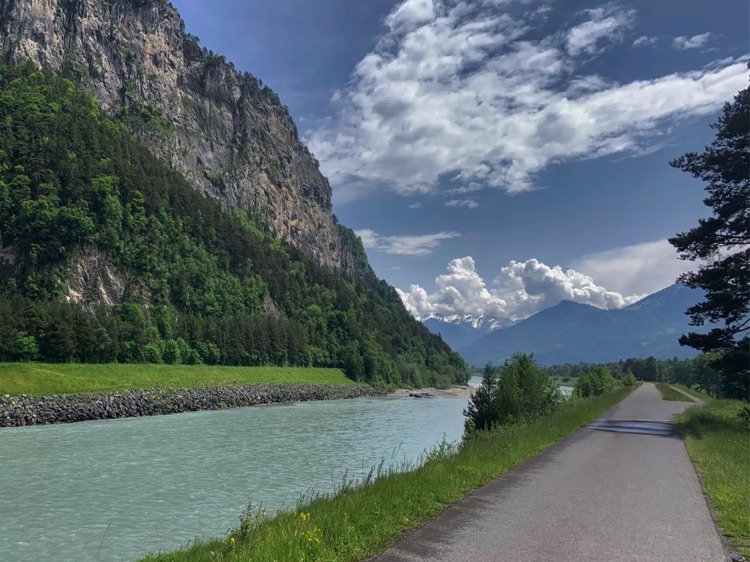
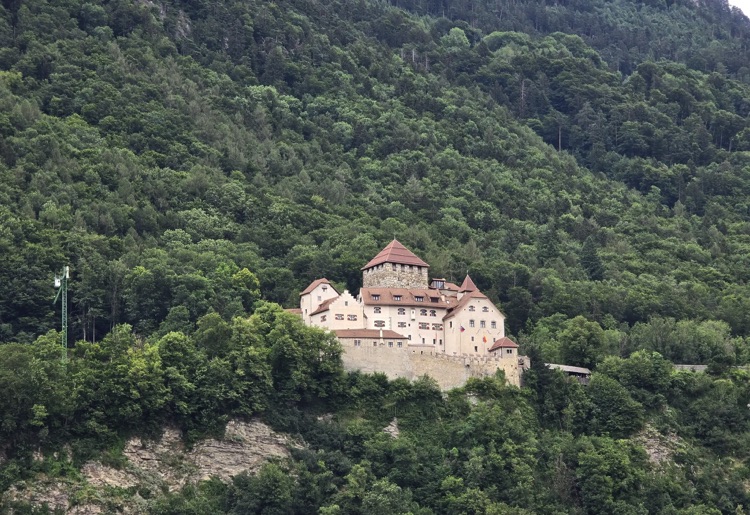
Cycling toward Vaduz, the castle appeared perched above the city, watching over us as we followed the Rhine River. The bike path ran through vineyards, green fields, and along the calm river, offering a unique perspective on the principality’s Alpine landscape.
Leaving Liechtenstein, we headed east to enter Austria, ready to continue our journey through Alpine valleys and toward the Brenner Pass.
🇦🇹 Austria: Through alpine valleys and toward the Brenner Pass
Leaving the principality of Liechtenstein, we headed east, passing through small villages such as Schaan and Balzers, among gentle hills and vineyards. Cycling along quiet roads, the Alpine landscape accompanied us at every turn, with forests and mountains in the background.
Crossing the border, we entered Austria and reached Feldkirch, a town in Vorarlberg nestled among the Alps, with the Ill River guiding our route. The panorama opened up to towering mountains and picturesque villages, welcoming us to this new stage of our cycling journey.
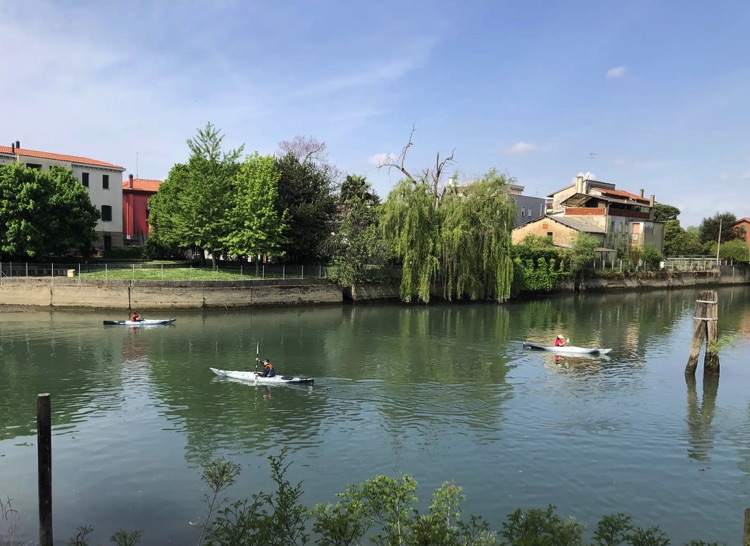
From Feldkirch, we continued east to Bludenz, following a scenic road along the Ill Valley. The route was mostly flat, with favorable winds and the Alpine scenery as a backdrop, allowing us to watch kayaks and canoes navigate the river rapids. Every pedal stroke brought a sense of freedom and a direct connection with nature.
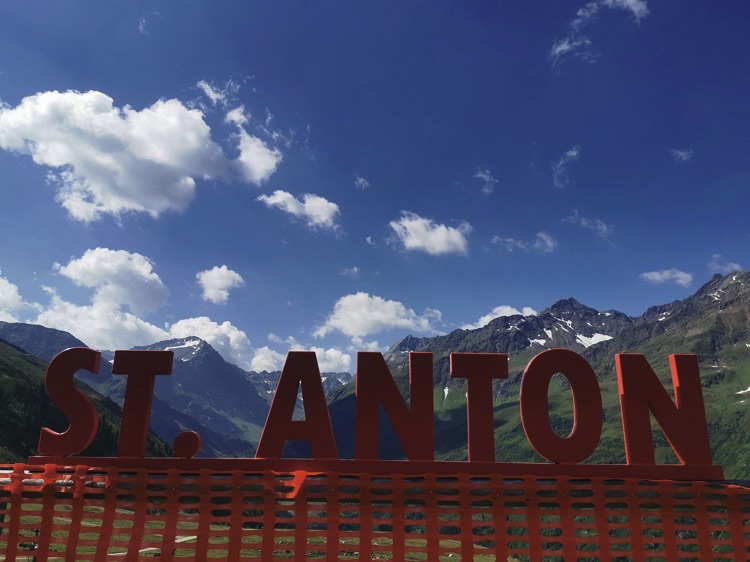
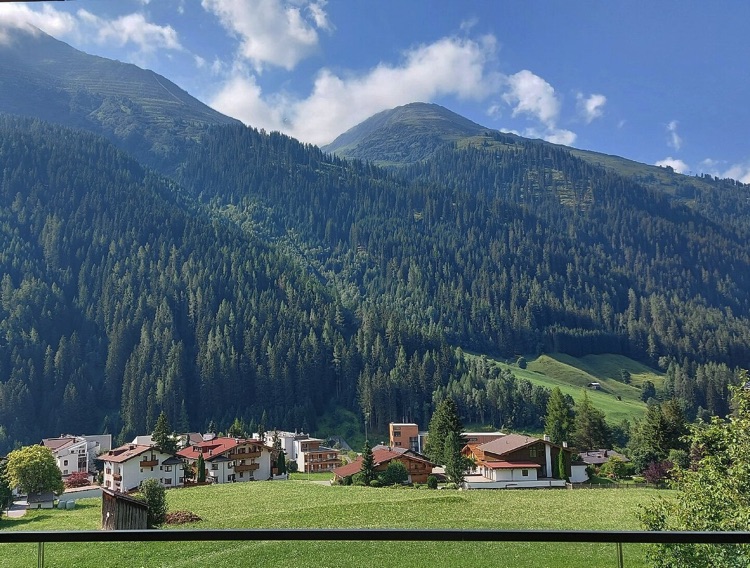
Heading further east, we arrived at St. Anton am Arlberg, a picturesque Alpine village renowned for skiing, with roads winding through forests and imposing mountains. From here, the valley began to narrow, and the route changed character: the road alternated between long gentle stretches and steadier climbs, with gradients ranging from 4% to 7%, ideal for finding your rhythm even with a loaded bike.
Climbing higher, we reached St. Christoph, where the slopes became slightly steeper but consistent, allowing for a smooth pedal stroke despite the load. The air grew cooler and the landscape more severe and majestic, while each hairpin bend opened spectacular views of the surrounding Alps.
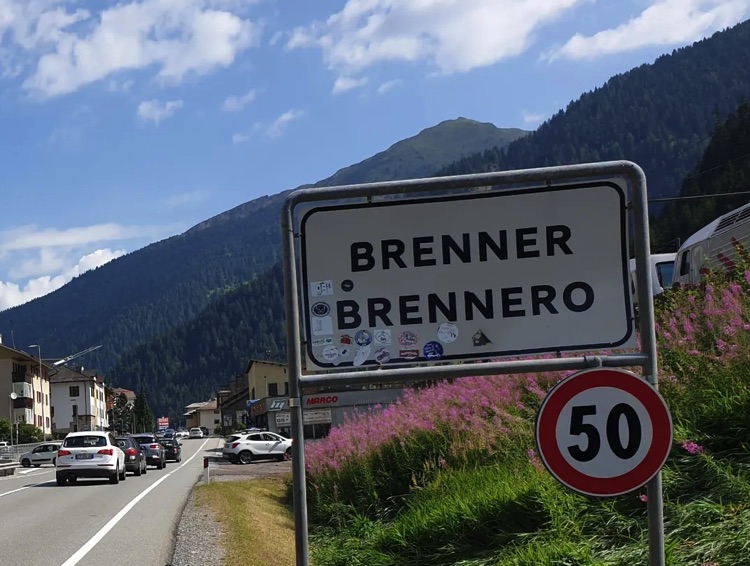
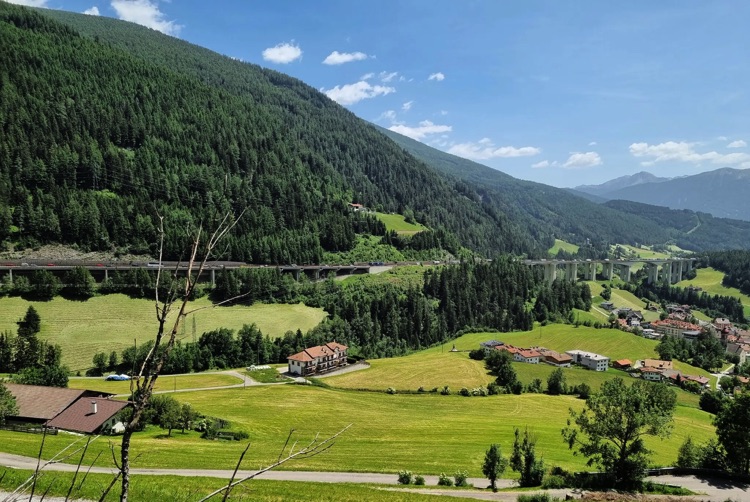
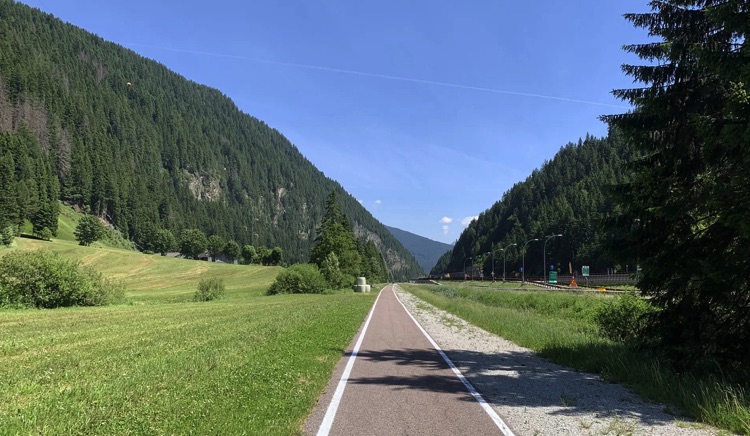
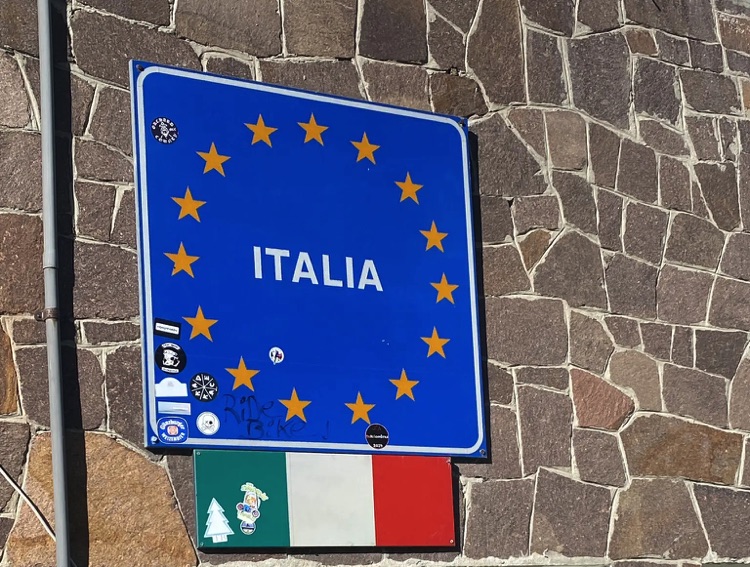
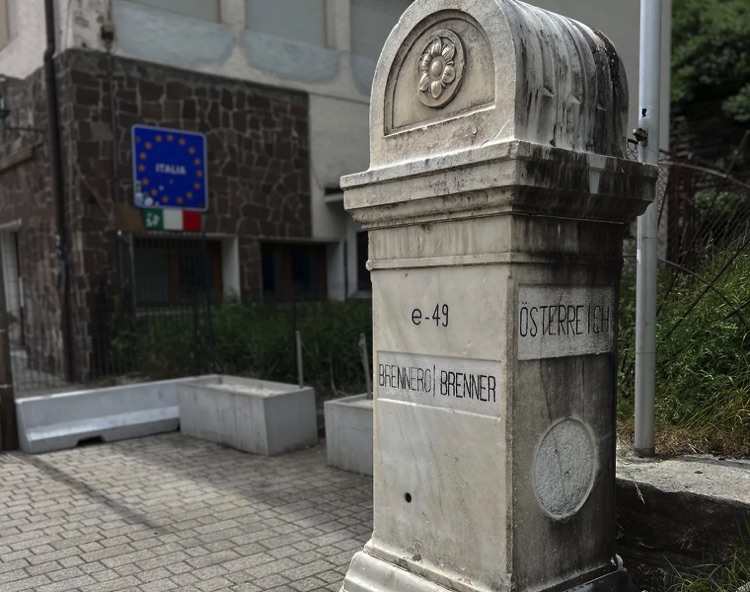
Finally, we headed southeast, tackling the ascent to the Brenner Pass (1,370 m), the Alpine pass marking the border between Austria and Italy. The final climb was moderate and steady, with gentle gradients between 3% and 5%, perfect for settling into a rhythm and enjoying the late afternoon light caressing the mountains.
The feeling of freedom and satisfaction was intense: every pedal stroke was pure emotion, immersed in a majestic and unspoiled Alpine landscape.
🇮🇹 From the Brenner to Muggia: Cycling between the Alps and the Istrian Peninsula on the Adriatic
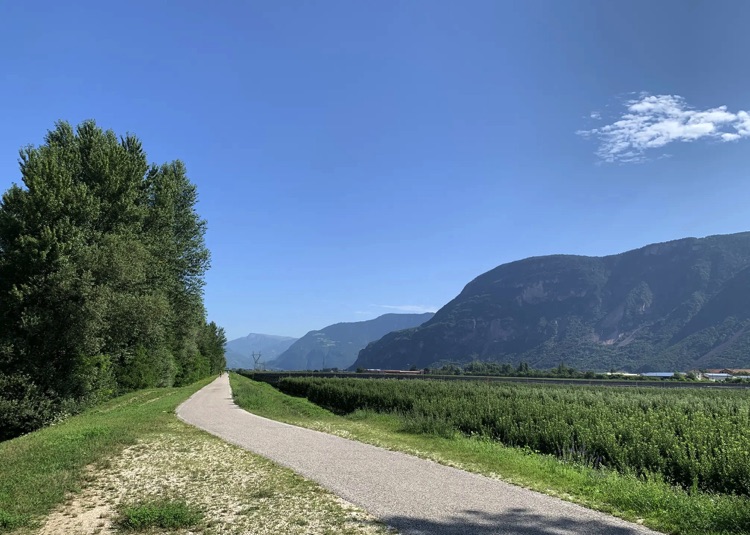
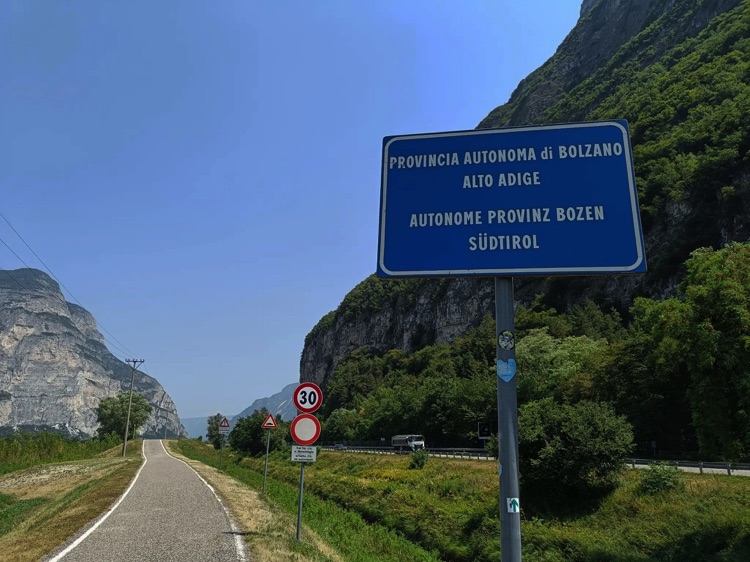
After descending from the Brenner Pass through the Italian Alps, the road wound south through pine forests and small mountain villages until reaching Bolzano, a city in Trentino–Alto Adige with a unique charm.
Here, Italian and German cultures intertwined: breweries, Alpine-style houses, and the language spoken by locals created a constantly shifting atmosphere. The air smelled of mountains, and the sound of our bicycles mingled with the wind rustling through cobbled streets and flower-adorned balconies. The route up to this point was mostly flat, with gentle descents that made for a pleasant and smooth ride.
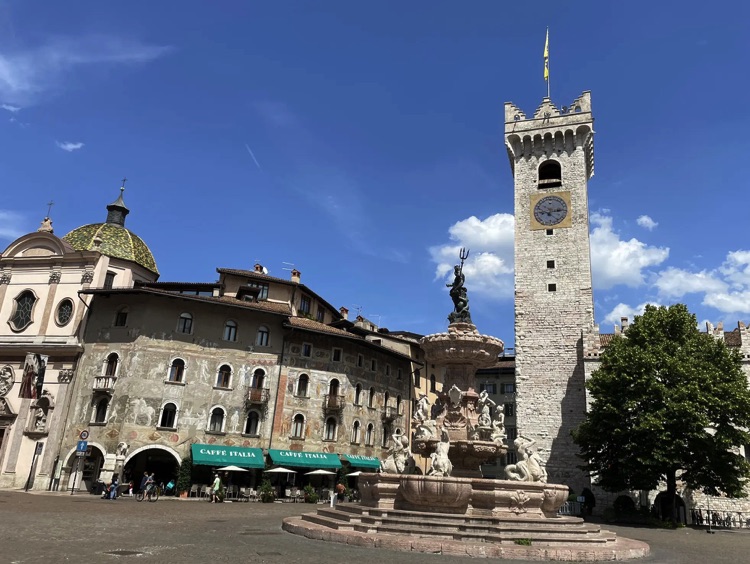
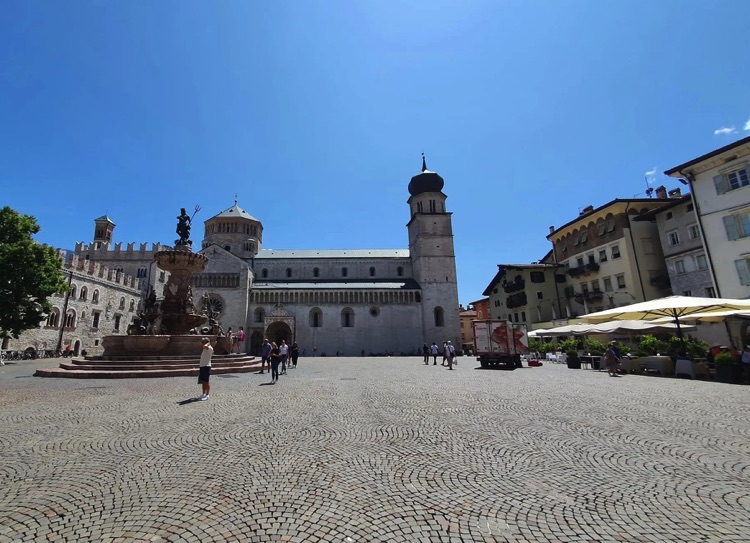
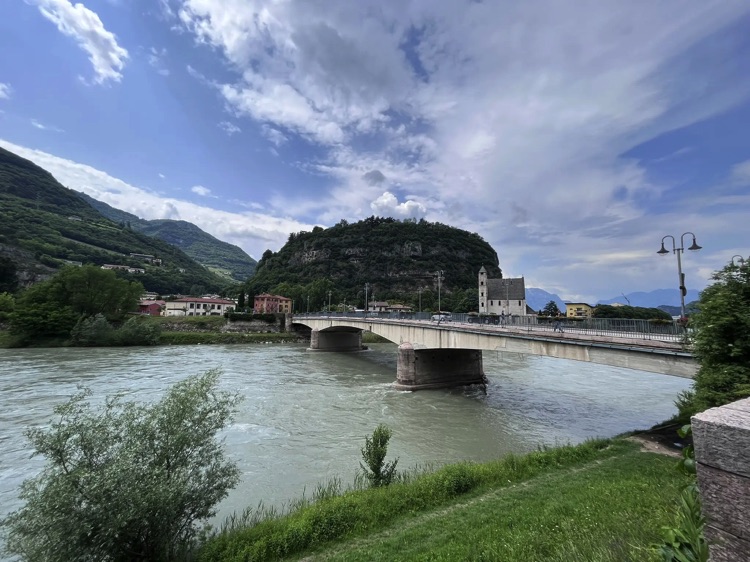
Continuing south, we reached Trento, nestled along the Adige River, surrounded by vineyards and mountains. The road was almost entirely flat, offering wide views of the green valleys of Trentino, giving the sensation of cycling through a living Alpine postcard. The road surface was in excellent condition, allowing for steady progress, while brief stretches on country roads added variety to the route.
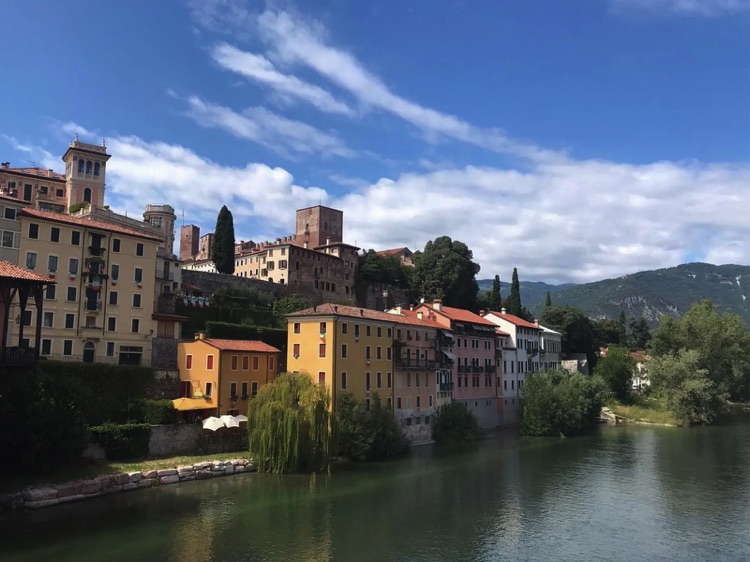
From Trento, our path led east to Bassano del Grappa, in the heart of Veneto. It was a day of relaxed cycling through countryside and vineyards, with the Dolomites rising majestically in the distance.
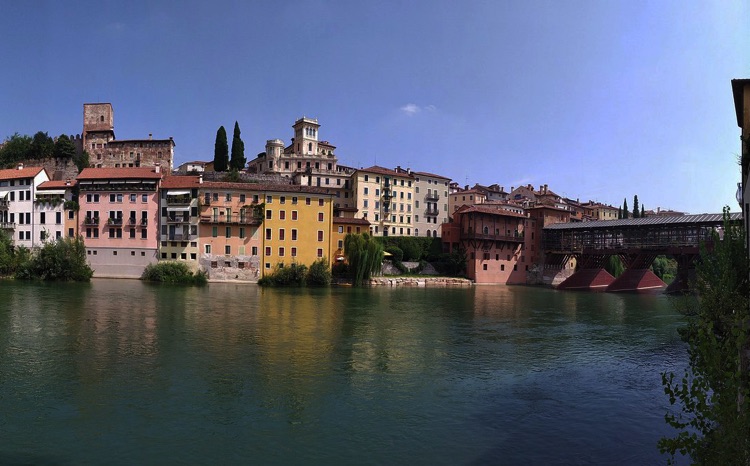
Crossing the famous Ponte Vecchio (or Ponte degli Alpini) over the Brenta River, we paused to admire the elegant city squares and the slow flow of the river, soaking in an atmosphere where history and serenity merge. The road alternated between long flat stretches and gentle undulations never challenging, but enough to make the ride more dynamic and enjoyable.
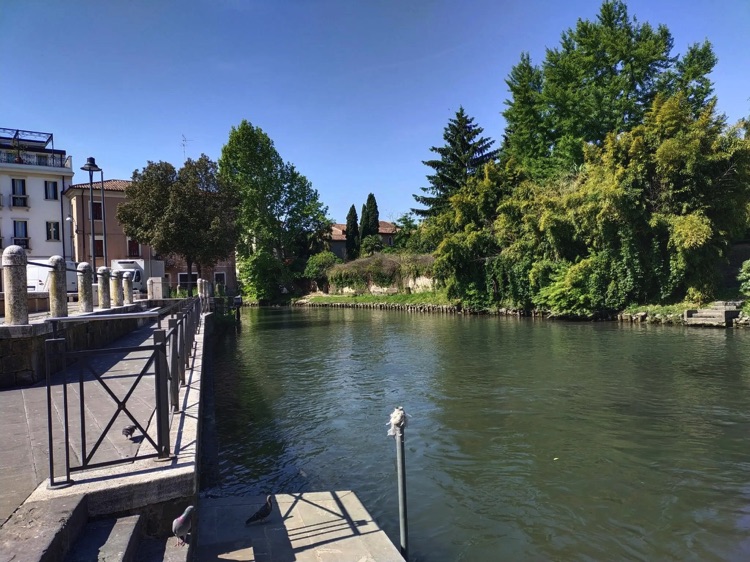
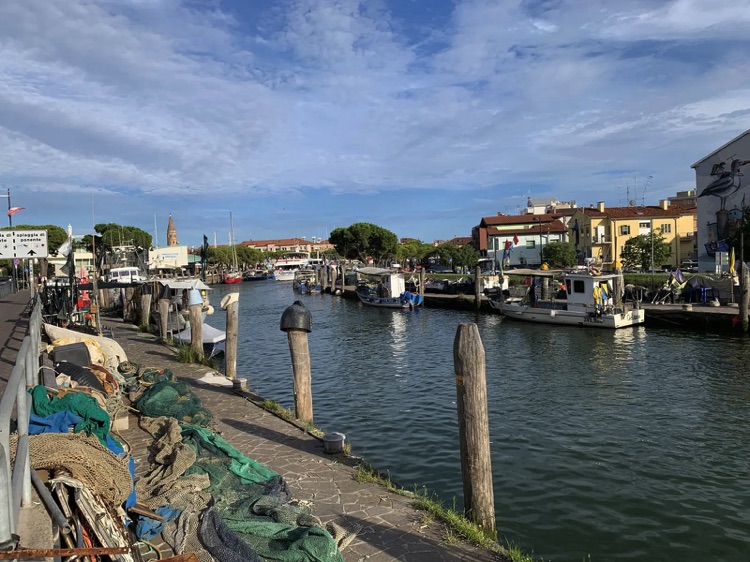
The journey then continued east through Bassone, Montebelluna, Oderzo, and Portogruaro, following the course of the Lemene River. Portogruaro’s historic center, with its canals, restored ancient mills, bridges, and Venetian-style arcades, evoked a small inland Venice. The route alternated between flat stretches and gentle hills, offering the pleasure of cycling unhurriedly through rural landscapes and picturesque villages.
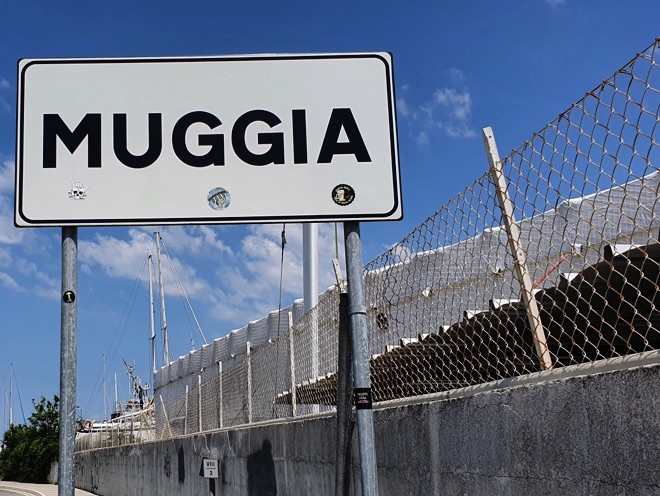
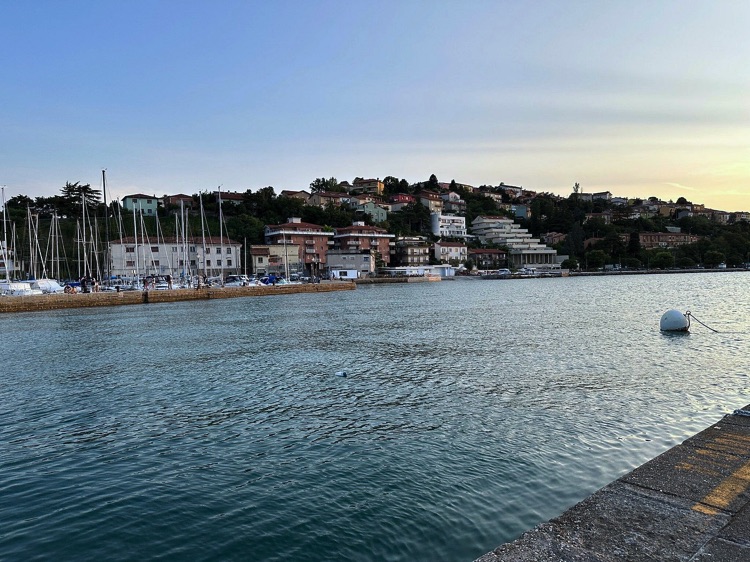
Continuing east, we passed through Cervignano, Monfalcone, and San Bartolomeo, until reaching Muggia, an ancient Istrian town overlooking the Adriatic in the Friuli-Venezia Giulia region.
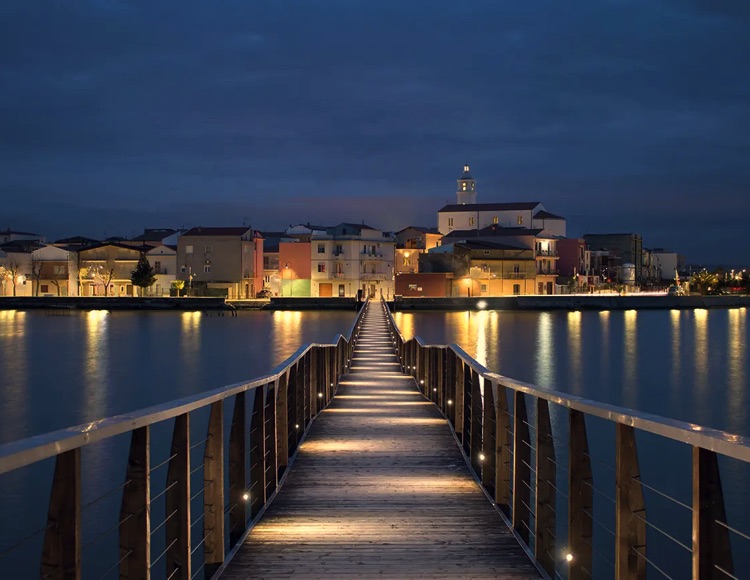
Situated on the eastern side of the Gulf of Trieste, Muggia is the only Italian coastal town on the Istrian Peninsula, just a few kilometers from the Slovenian border. Its narrow streets, squares, and pastel-colored houses reflect a still-living Venetian soul, while the sea mirrored the golden light of the sunset over Istria, marking the end of this long and unforgettable journey across northern Italy.
🇭🇷 Croatia: Along the Adriatic coast and islands to Dubrovnik
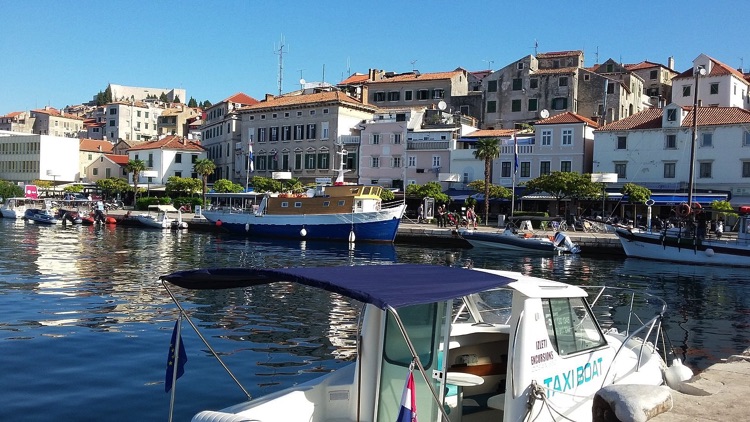
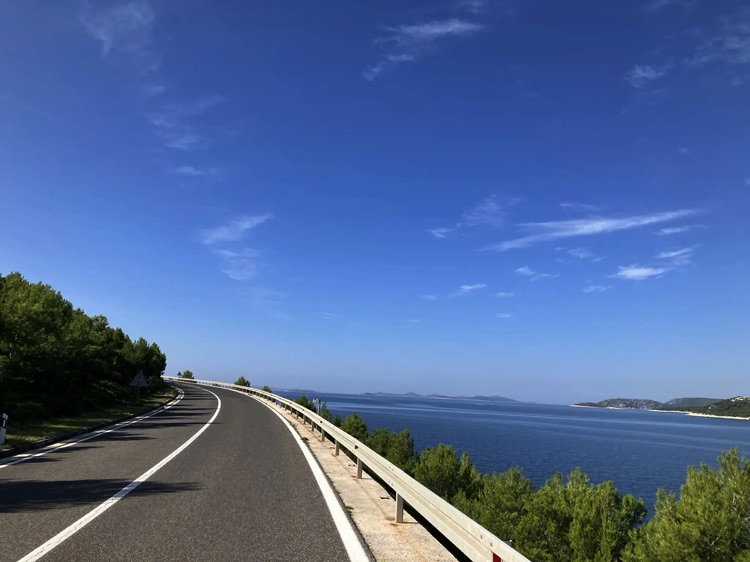
Leaving Muggia and heading east, we crossed the Istrian Peninsula, now part of Slovenia, passing through Koper and Izola before entering Croatia. The coastal route alternated between flat stretches and short climbs, weaving through inland roads and offering breathtaking views of the Adriatic Sea.
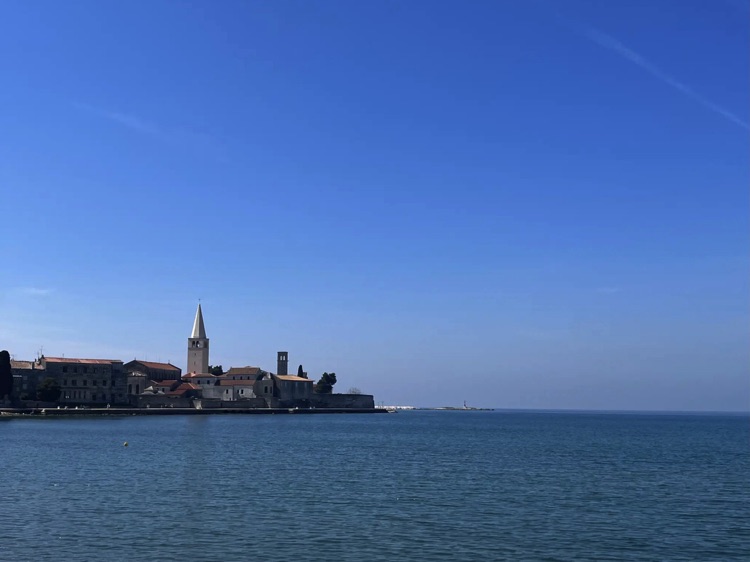
Passing through Novigrad, Poreč, and Vrsar, our gaze wandered over turquoise waters, white cliffs, and small sandy coves where people sunbathed and moored boats gently bobbed on the waves. Along the way, Mediterranean vegetation maritime pines, rosemary, and fragrant shrubs accompanied our pedal rhythm, while the salty breeze caressed our faces, making every kilometer a unique sensory experience.
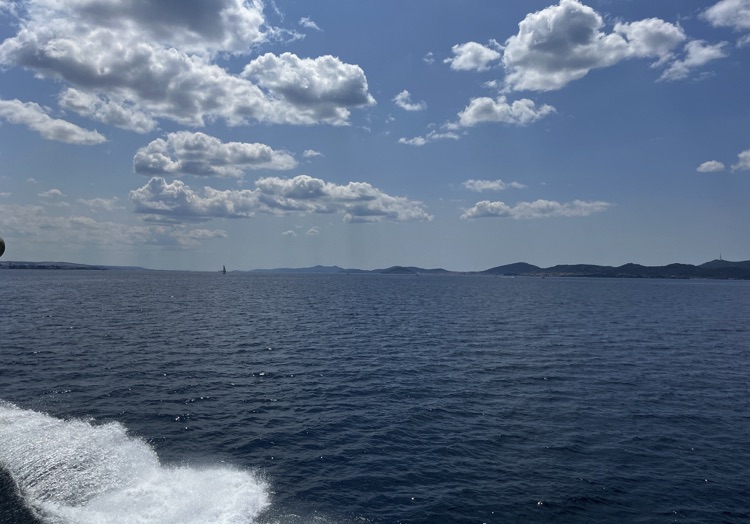
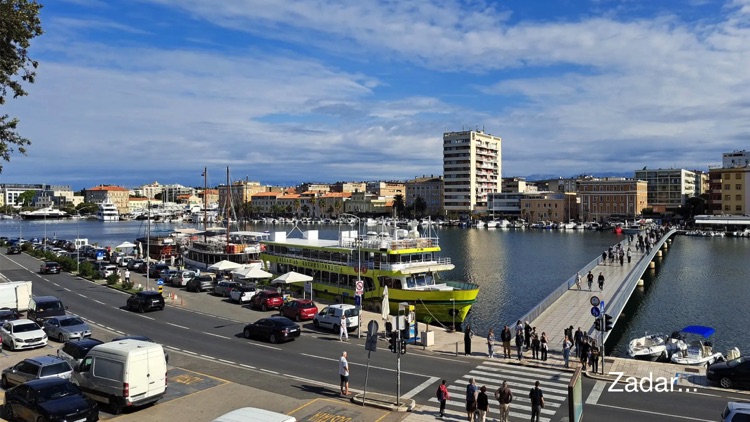
Reaching Pula, the main port of Istria, we boarded a ferry for a journey of about five hours. The route connected several islands in the northern Adriatic Unije, Susak, Mali Lošinj, and Ilovik before arriving in Zadar on the Croatian mainland along the Dalmatian coast.
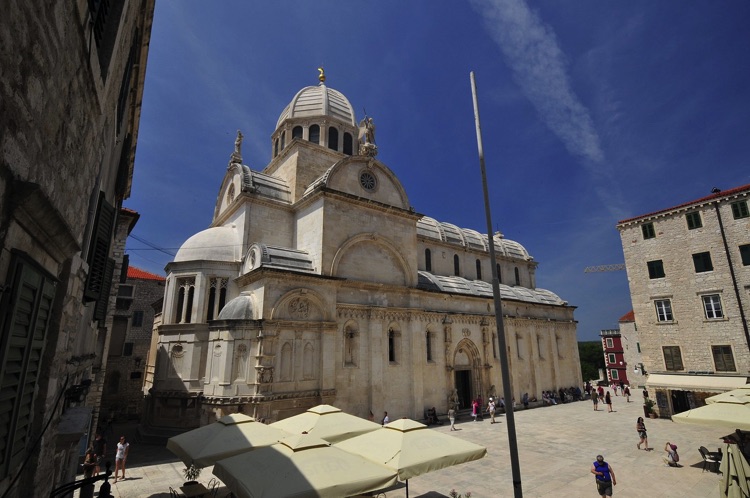
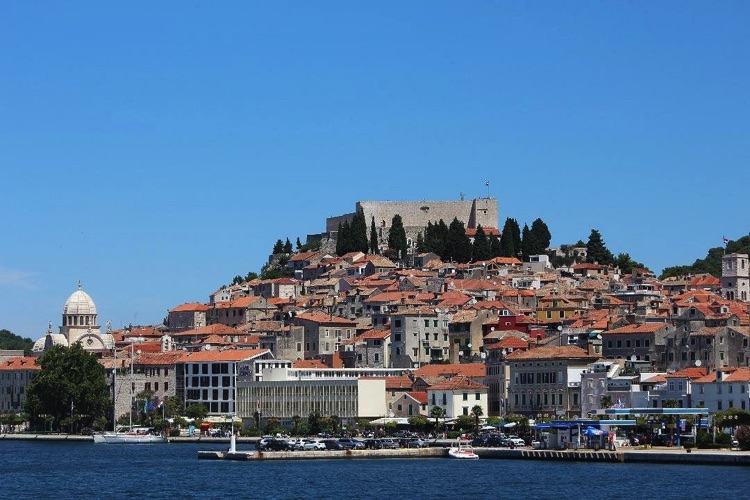
Back on our bikes, heading south, we followed the coast through Pirovac, Zaboric, Grebastica, Šibenik, Primošten, Podglavica, Marina, and Kaštel Stari, just outside Split, continuing to Makarska and Slano. Each stretch of coastline offered breathtaking views of the Adriatic, with the scent of the sea, pines, and Mediterranean shrubs accompanying our rides.
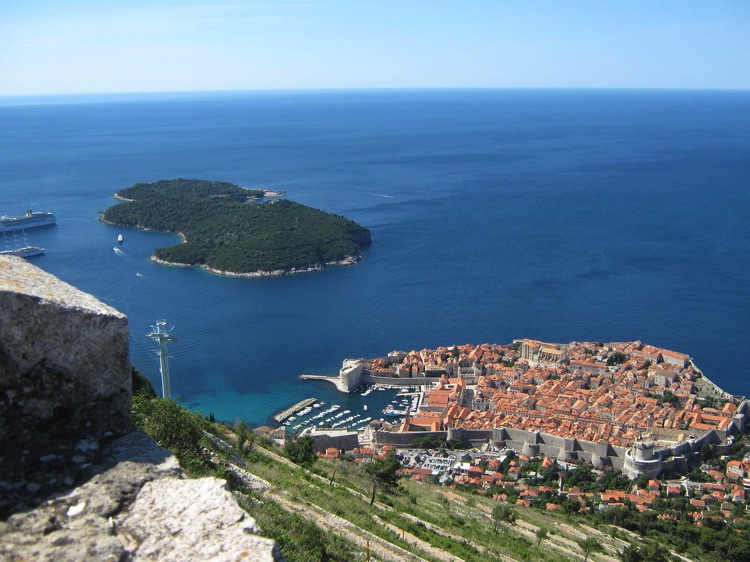
Finally, Dubrovnik, with its majestic walls and crystalline waters, marked the perfect conclusion to this long journey from the north to the south of Croatia.
After exploring the city and the Port of Gruž, we prepared to leave Dalmatia to return to Italy by ferry to Bari, the capital of Puglia. The emotions of coastal landscapes, picturesque villages, and sparkling seas remained vivid in our memories, ready to accompany us on the next adventure along the Italian Adriatic coast.
🌄 🇮🇹 Lombardy: The final stage to Milan, the Duomo, the city’s cathedral
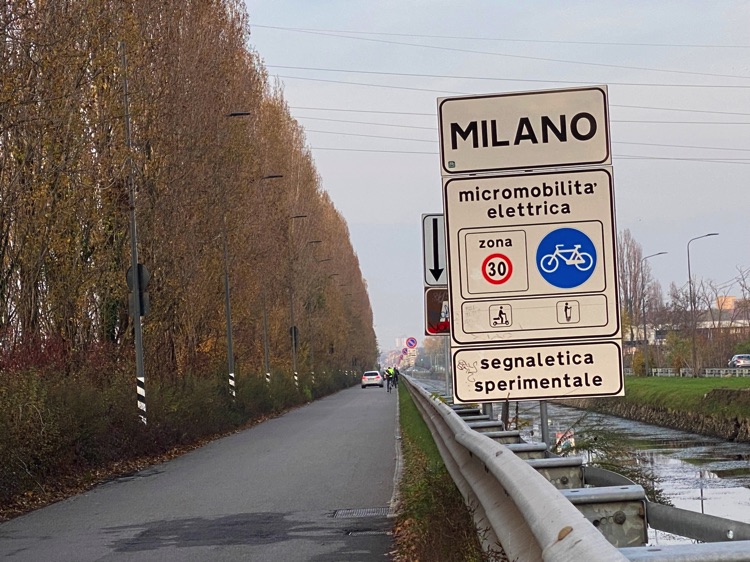
Upon reaching Piacenza, we headed west toward Milan, cycling along flat roads through cultivated fields and sparkling canals. Each kilometer marked the transition from the calm of the countryside to the growing energy of the city.
As we approached the Lombard capital, skyscrapers appeared on the horizon, while the air filled with the scents of the city and the relentless rhythm of the metropolis. The landscapes we had crossed from Puglia to the Gargano, from the Molise hills to the Abruzzo and Romagna coastsreappeared in our minds like a mosaic of emotions, colors, and indelible memories.
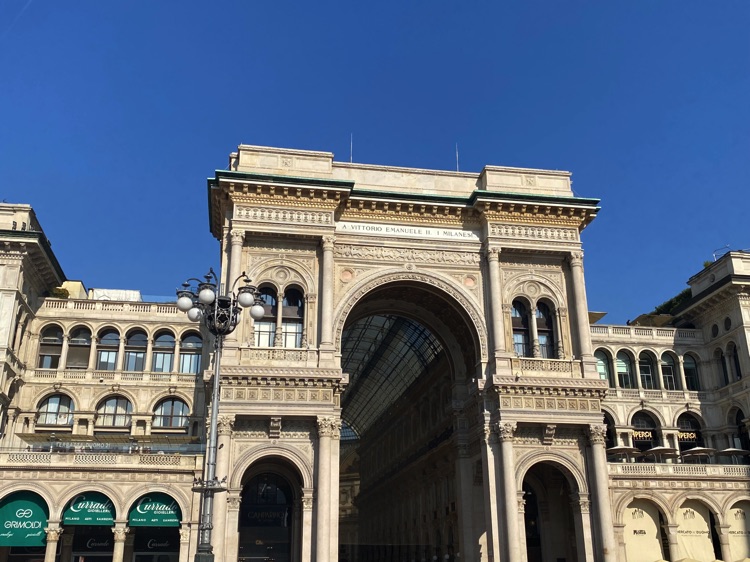
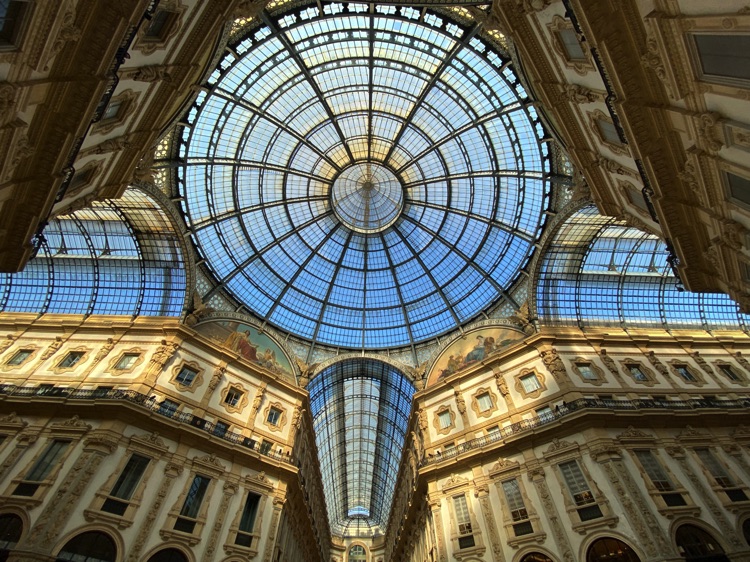
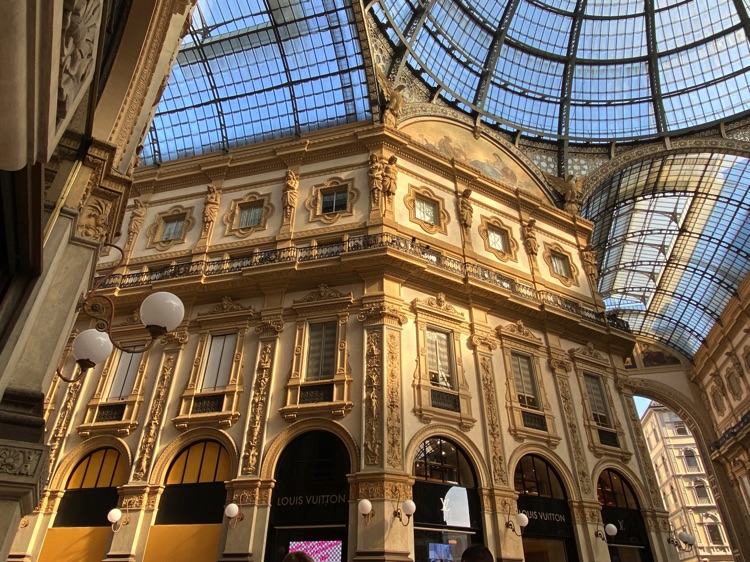
Finally, arriving in the beating heart of Milan, the Duomo the city’s cathedral and one of Europe’s greatest architectural and cultural symbols welcomed us with its majestic grandeur. A symbol of the Lombard capital, it stands in the eponymous square at the center of the metropolis, the historic and vibrant heart of the city.
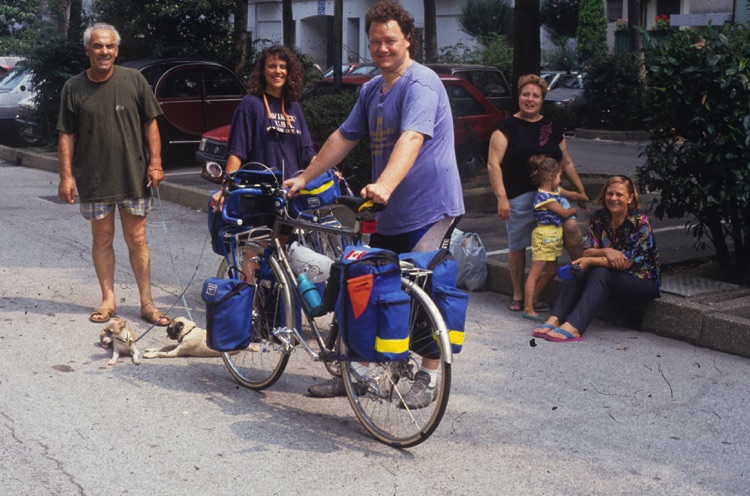
Among lively squares, crowded streets, and historic buildings, our great cycling journey across Europe came to a close. An adventure shared by two, on our bicycles, through seas, hills, and cities, yet with the same lightness and freedom we felt when we first started pedaling.
This first major journey opened the door to new cycle tours, new roads to explore, and new horizons to chase always on the saddle, always together.

🇮🇹 From Puglia (Southern Italy) to Milan (Northern Italy): On two wheels between sea, hills, and cities
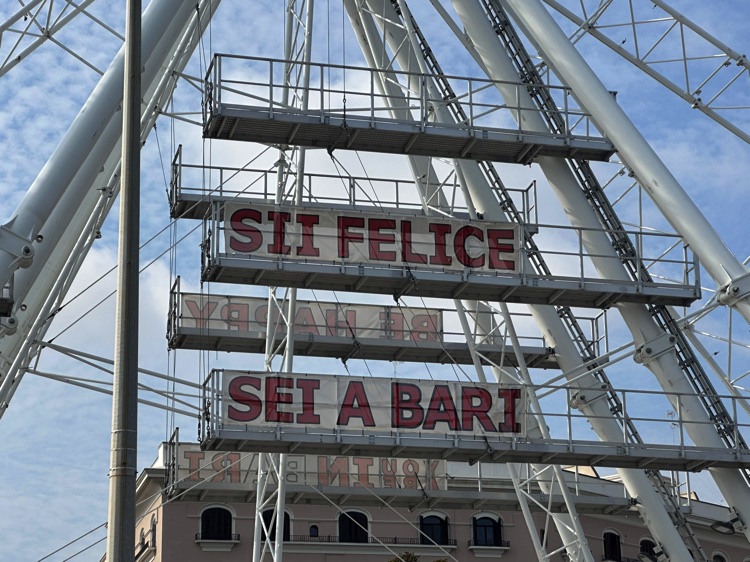
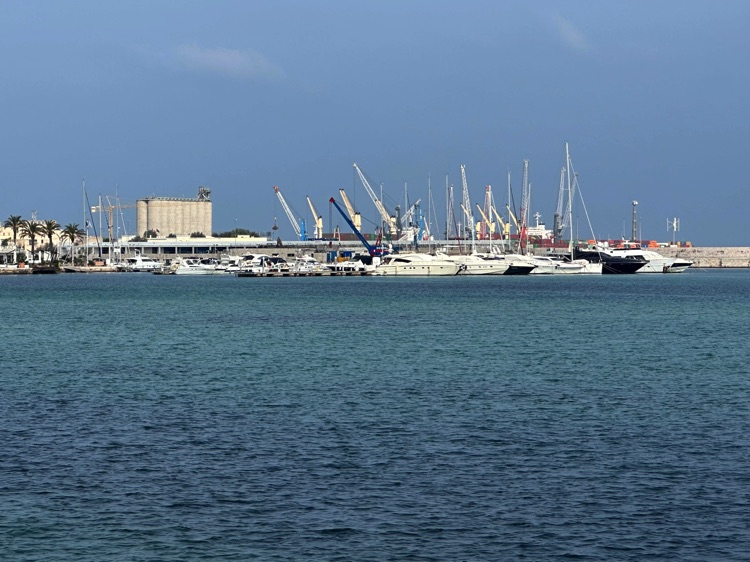
After disembarking in Bari, following about eight hours of sailing along the Adriatic coast, we strapped the bags back onto our bicycles and began riding north along the Apulian shoreline.
The city welcomed us with the scent of the sea and the sound of waves breaking against the rocks; cycling between the historic center and the seafront was relaxing and pleasant, with lively streets and picturesque views.
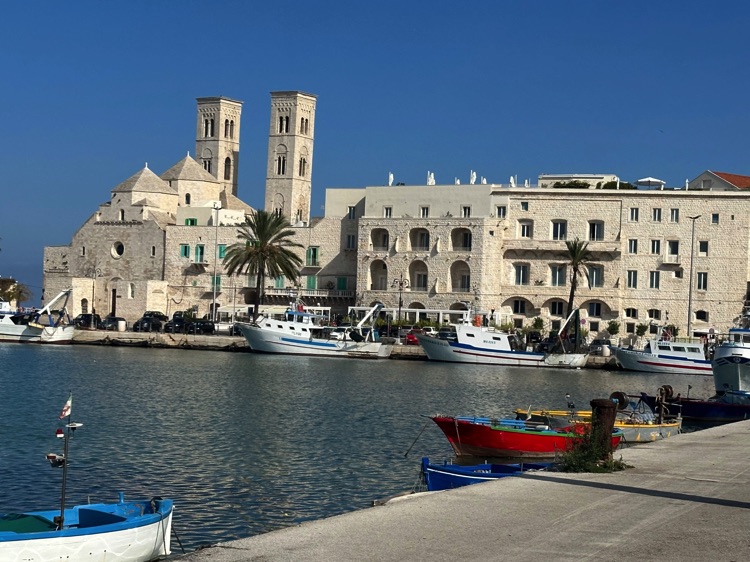
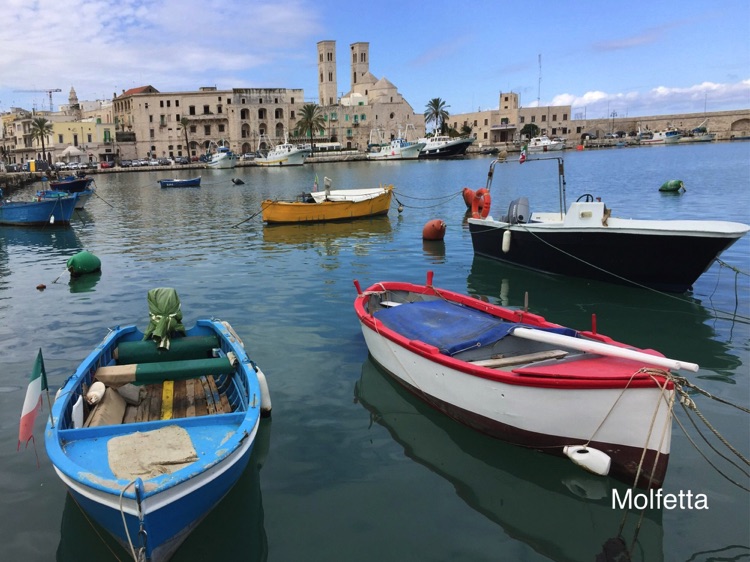
Leaving Bari, we continued toward Molfetta, where the first rises and descents along the coastal hills tested our legs and rewarded us with wide-open sea views.
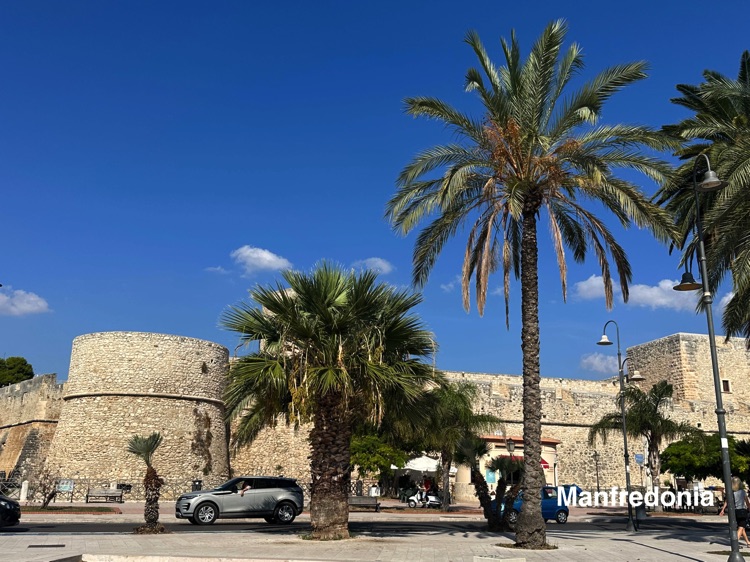
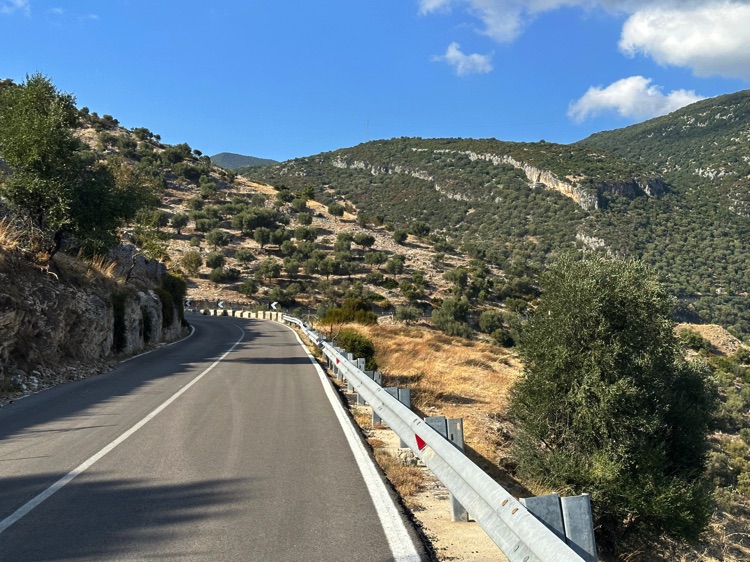
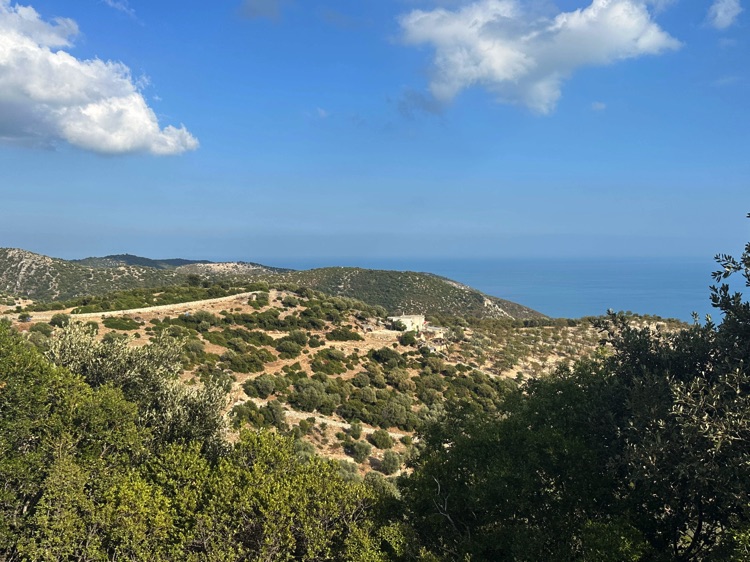
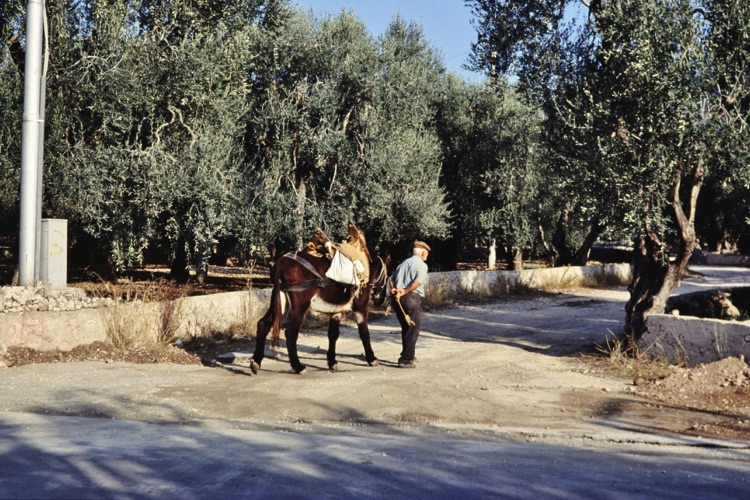
From Molfetta we rode on toward Manfredonia, following stretches of coastline and passing through olive groves and villages overlooking the Adriatic. Here the terrain became more challenging, with steep climbs and gentle descents weaving through Mediterranean scrub and maritime pines.
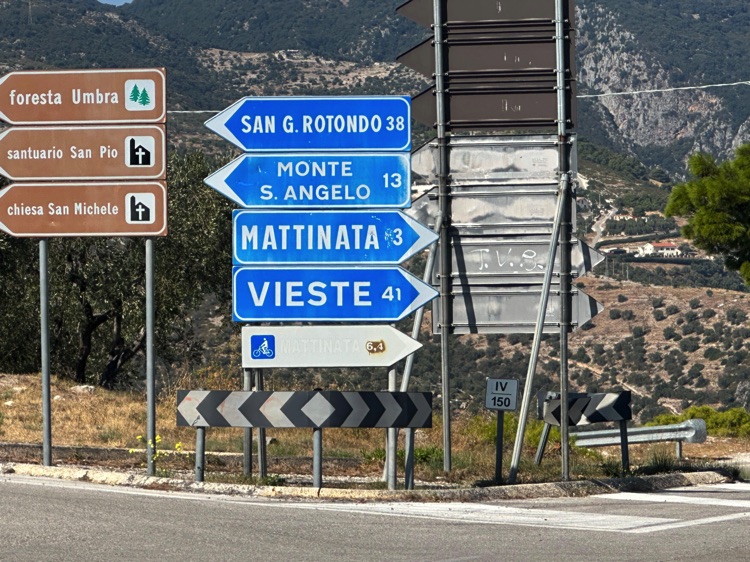
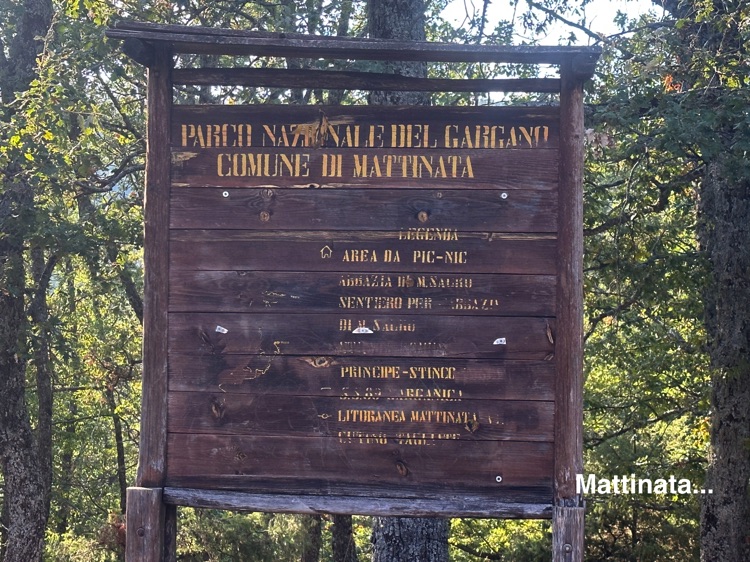
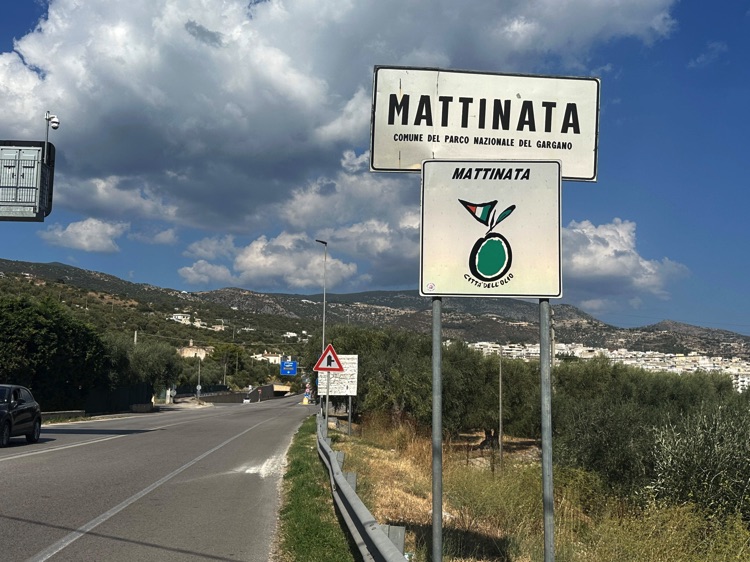
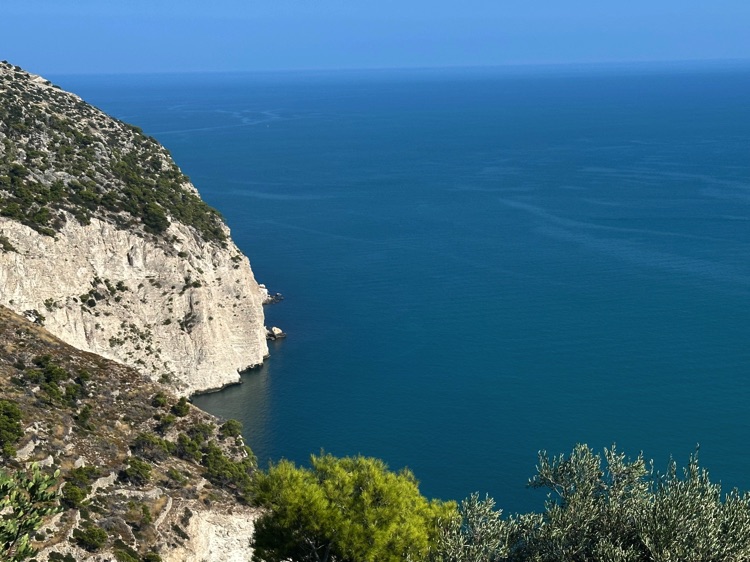
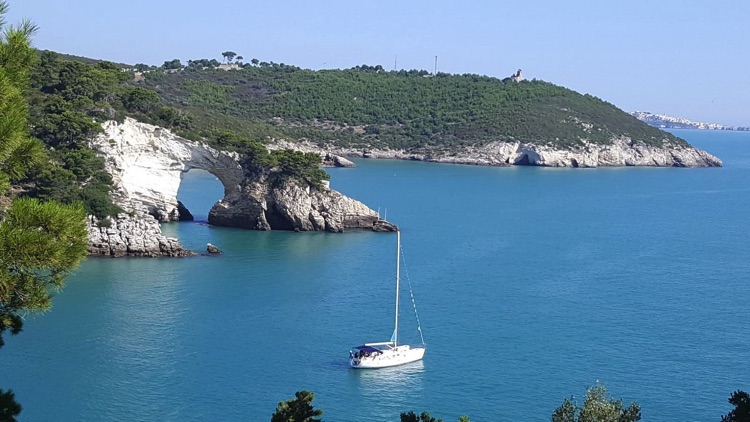
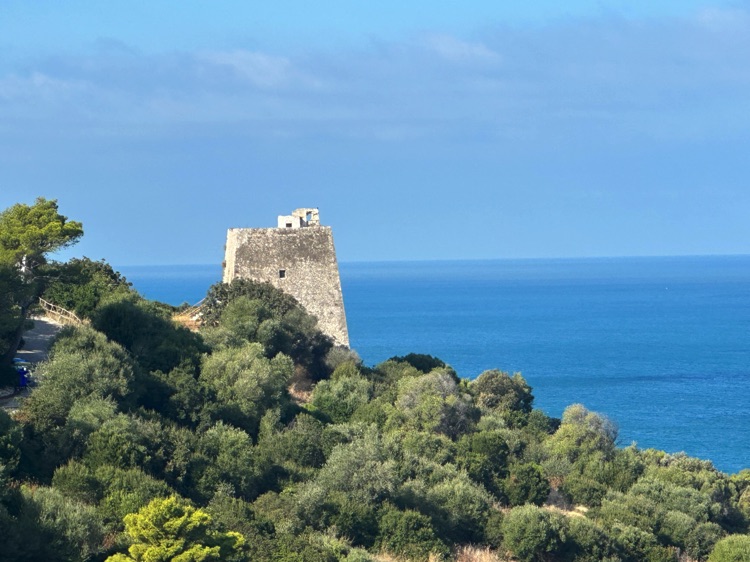
Beyond Manfredonia, the road entered the Gargano National Park, beginning to climb toward Mattinata with panoramic curves suspended between the sea, white cliffs, and centuries-old olive trees. Along this section lies the famous Arch of San Felice, a striking natural rock opening overlooking the Adriatic; we saw it from the coast, framed by the deep blue of the sea.
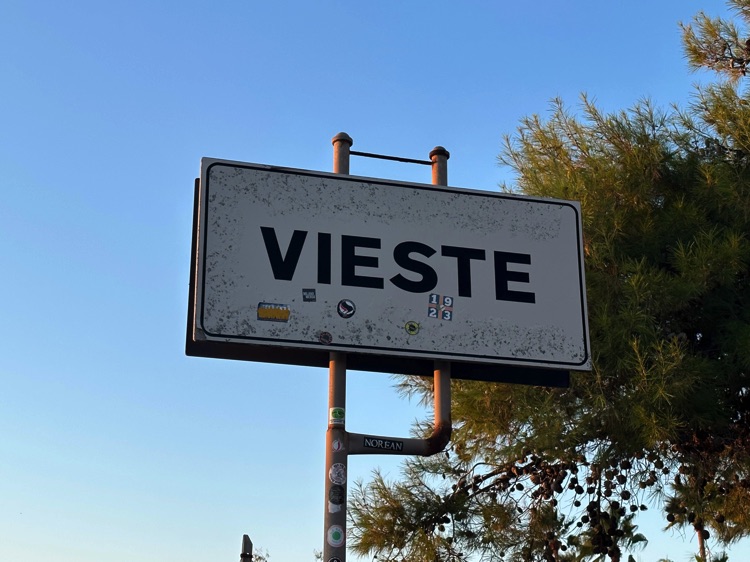
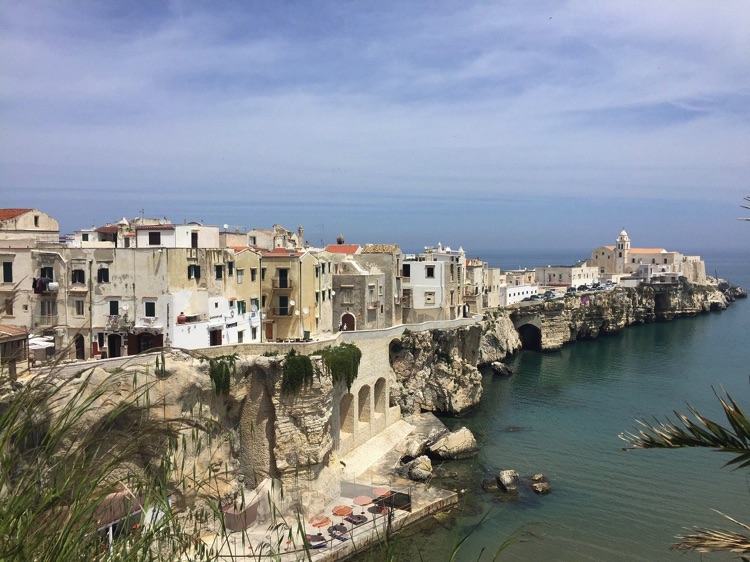
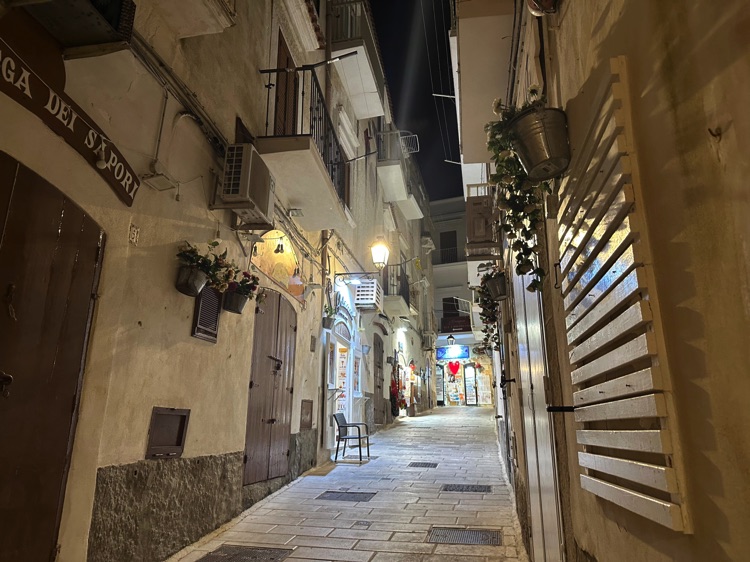
Continuing north, we reached Vieste, the “pearl” of the promontory. Here we left the bikes to explore on foot the stairways, arches, and viewpoints overlooking the easternmost tip of the Gargano peninsula.
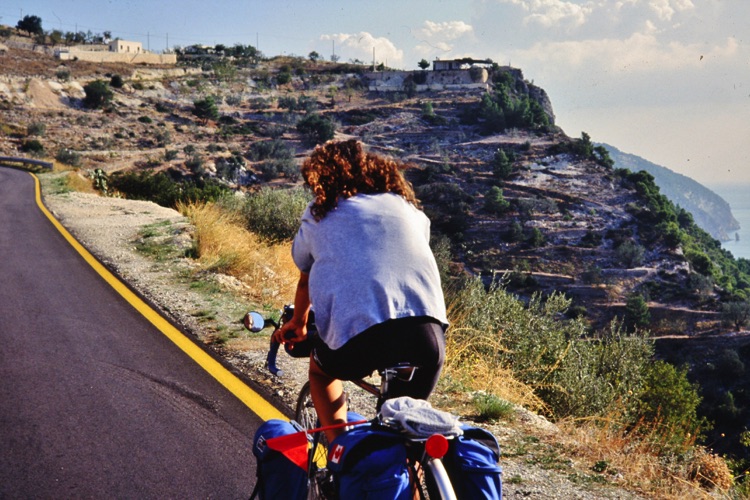
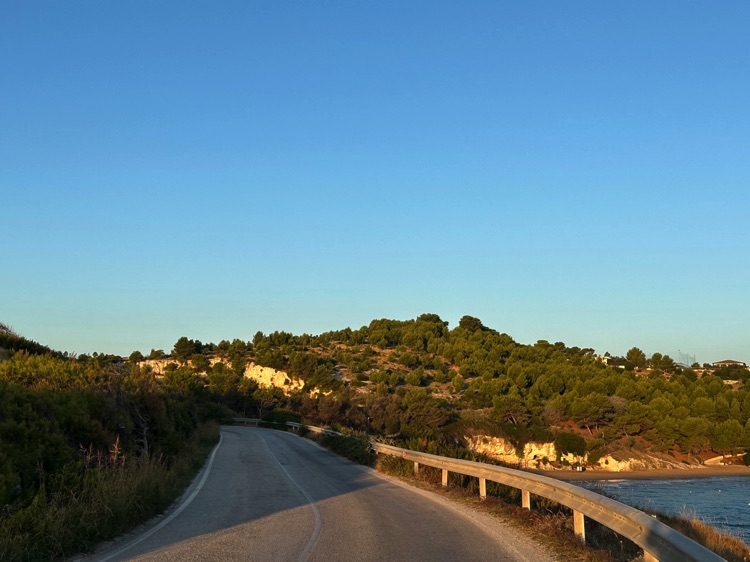
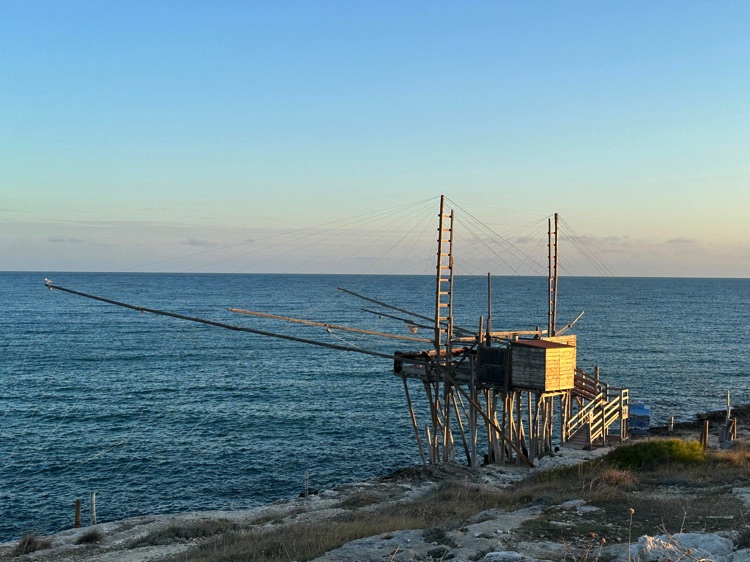
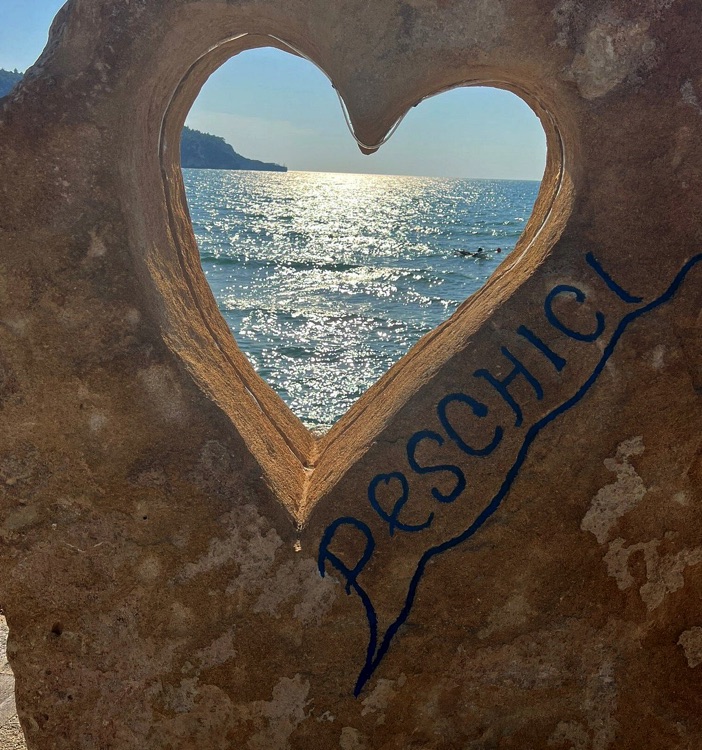
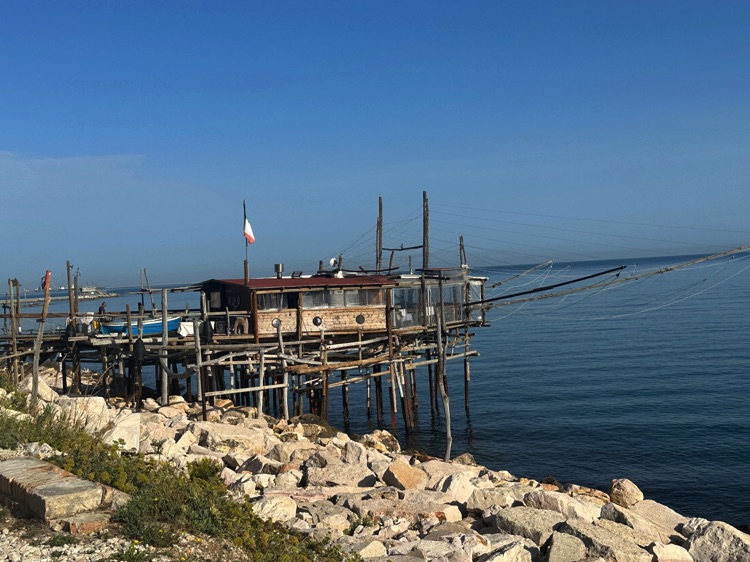
From Vieste we continued toward Peschici, cycling one of the Gargano’s most spectacular roads: constant climbs and descents, the scent of juniper, pine trees leaning toward the sea, and breathtaking views. Along this stretch we also came across several trabucchi, ancient fishing structures perched on the rocks with their wooden arms stretching over the sea an enchanting detail that enriched the route even more.
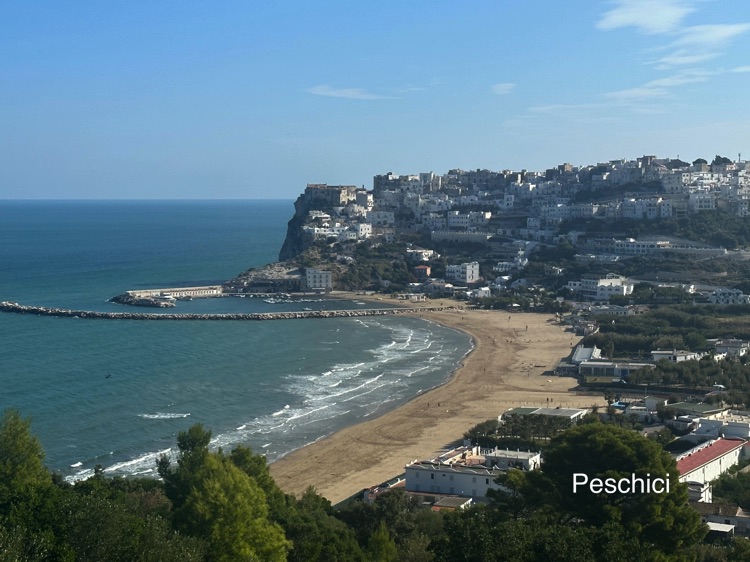
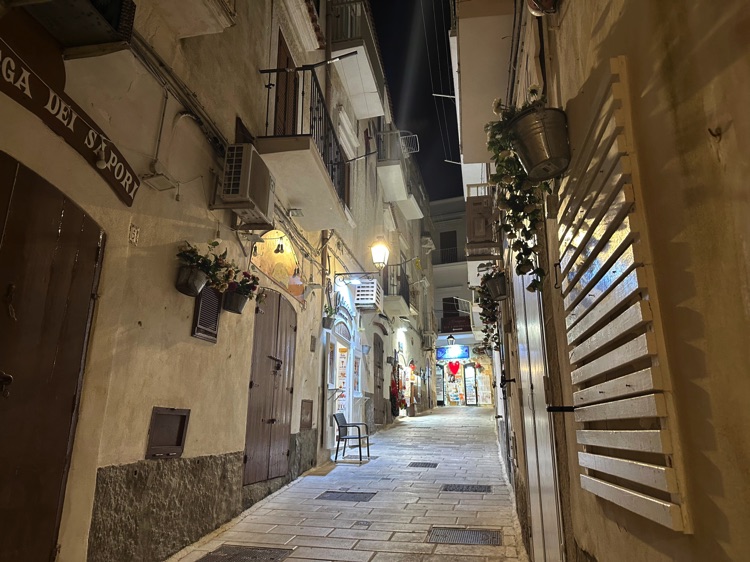
In Peschici, with its white houses clinging to the cliff, we wandered through the narrow alleys of the village, enjoying the postcard-like view of the harbor below.
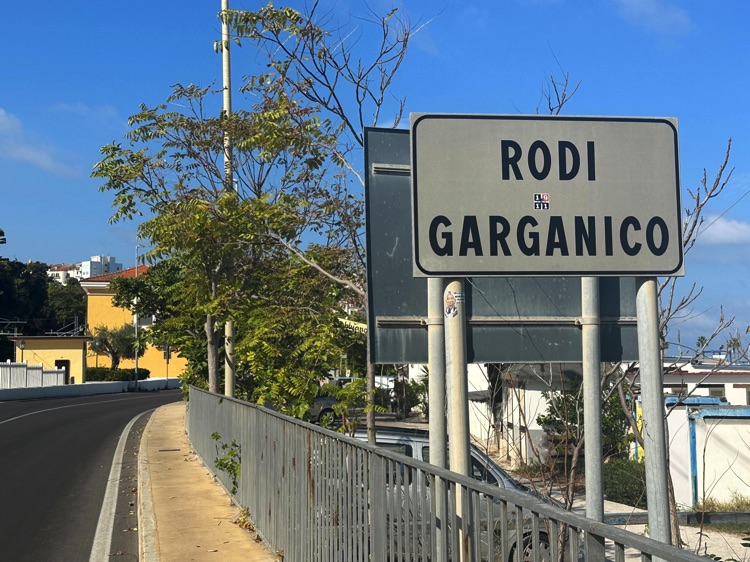
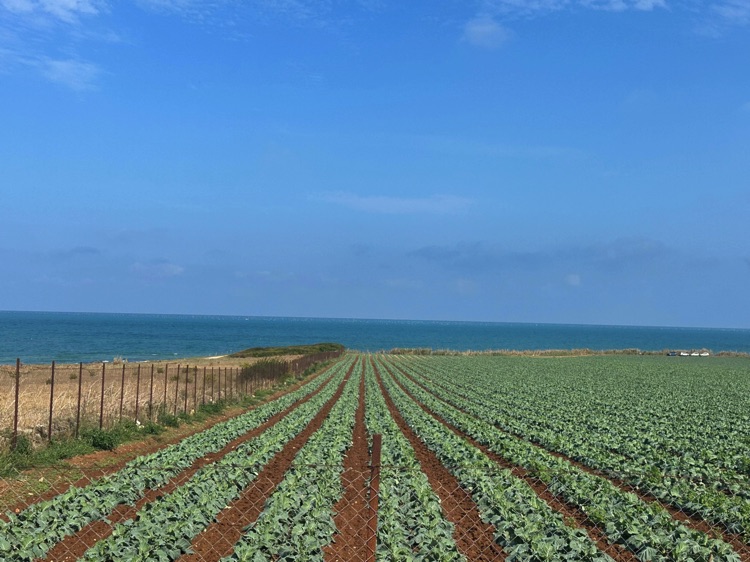
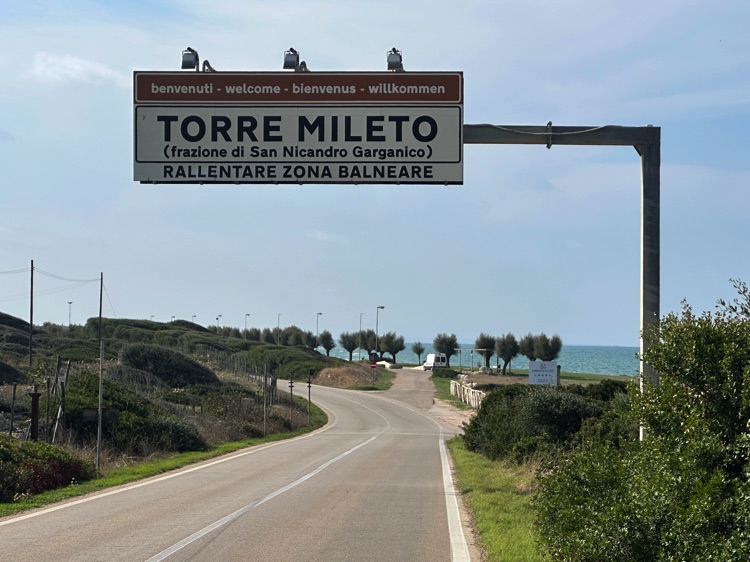
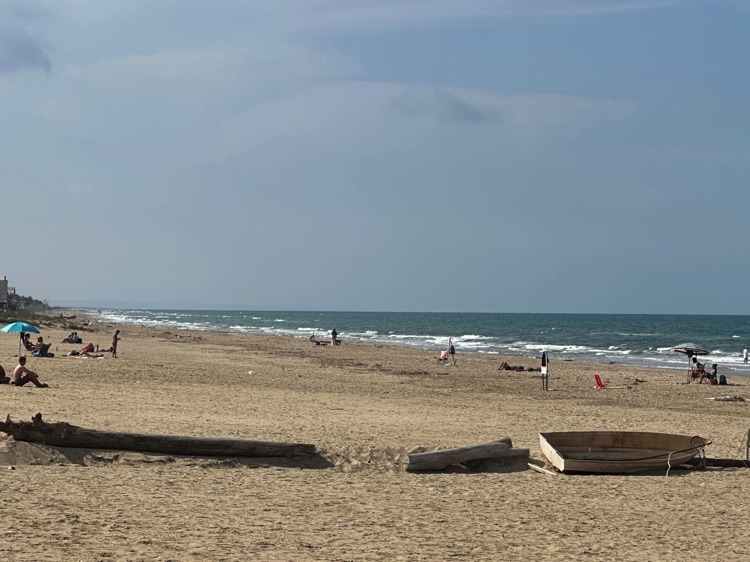
From Peschici we continued toward Rodi Garganico, again facing continuous ups and downs along scenic roads dominated by the sea. Finally, riding past the lakes of Lesina and Varano, we reached Torre Mileto and Lesina Marina, where the landscape softened into calm waters and reed beds..
🌄 🇮🇹 Molise and Abruzzo: Between hills and the Adriatic Sea
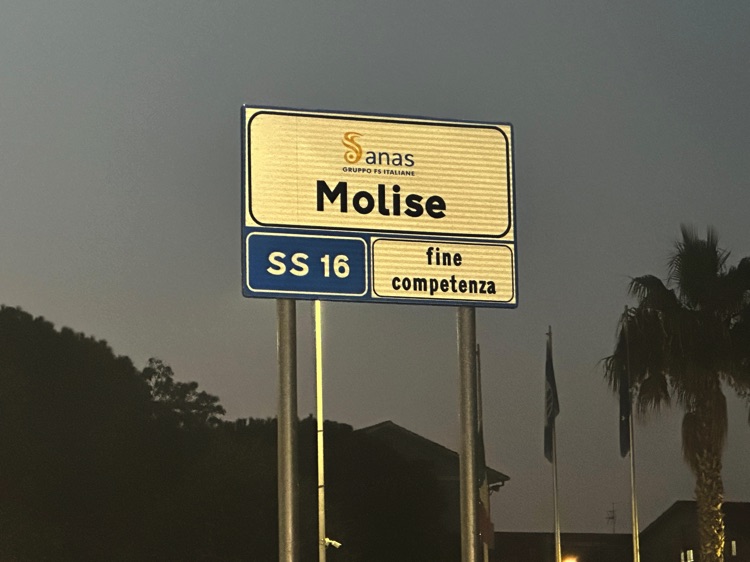
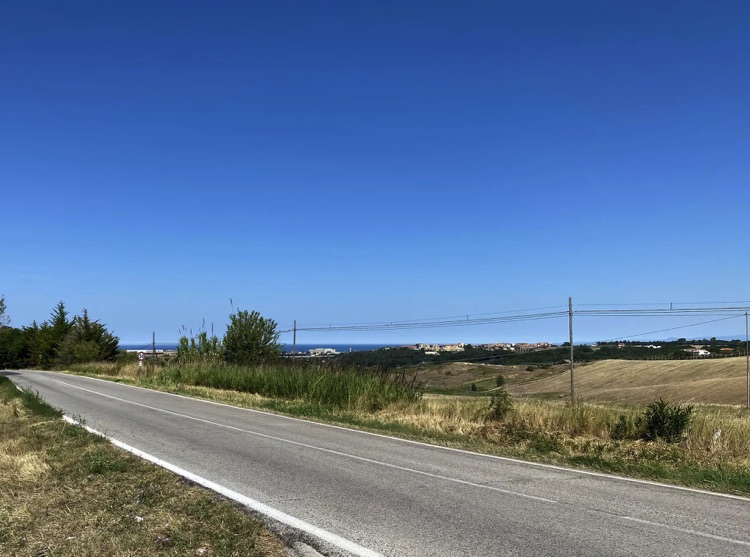
Leaving the Gargano behind, we continued pedaling north, entering Molise, where the landscape changed subtly: the coastline became straighter, the beaches wider, and pine forests began to alternate with long stretches of straight road. Entering the region felt gentle and almost symbolic, marked by the steady rhythm of the waves and the sight of the Gargano promontory slowly disappearing behind us.
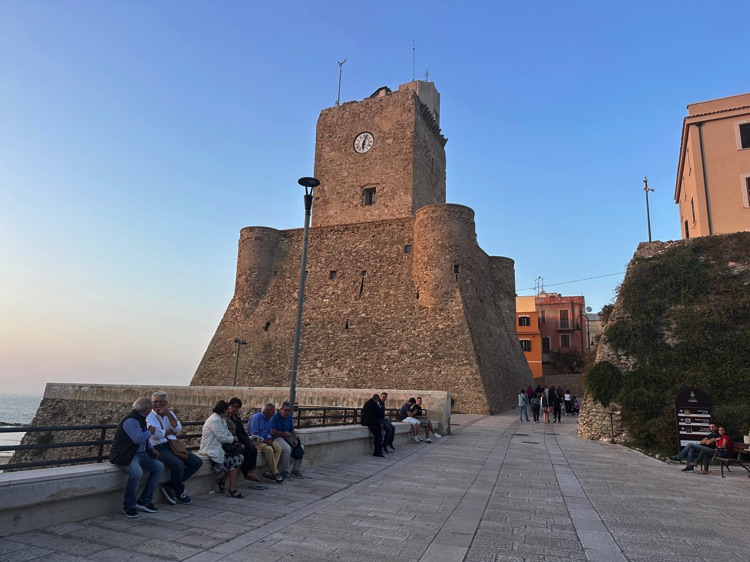
Reaching Termoli, with its ancient village overlooking the sea and the bustling harbor, we also noticed the imposing and solitary Swabian Castle perched on the promontory like a sentinel facing the Adriatic. The route moved quickly along flat roads among cultivated fields, pine groves, and small colorful villages. Every now and then, a short climb inland offered elevated views of the coast, where golden beaches stretched for kilometers.
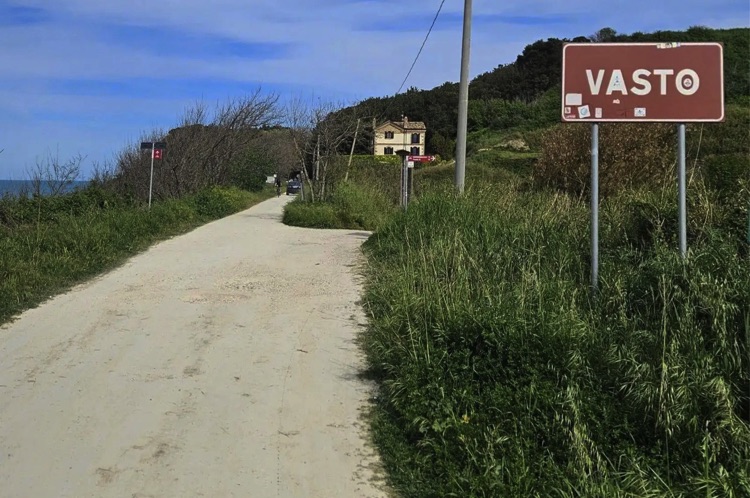
Shortly after Termoli, we entered Abruzzo, where the coastline began to become livelier. From here, we continued toward Vasto Marina, cycling along stretches of quiet coastline and gentle hills rolling down to the Adriatic.
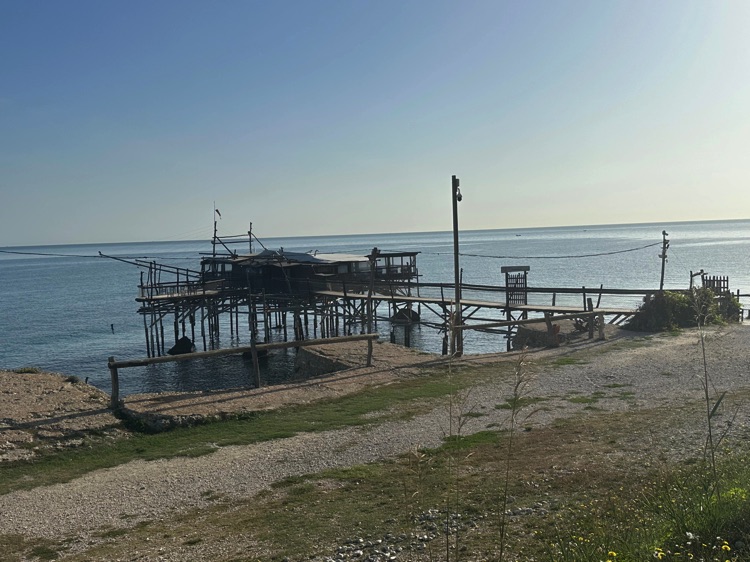
The Costa dei Trabocchi, stretching from Vasto to Ortona, offered spectacular natural scenery, with historic fishing platforms suspended over the sea that captured the eye.
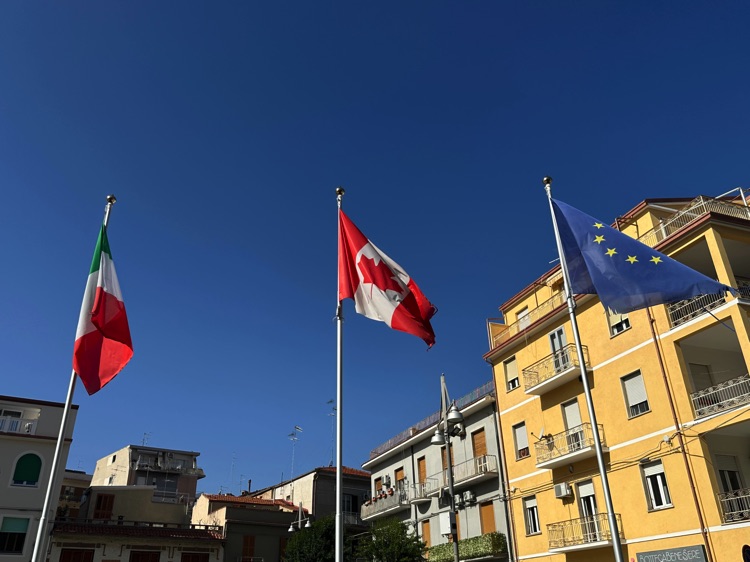
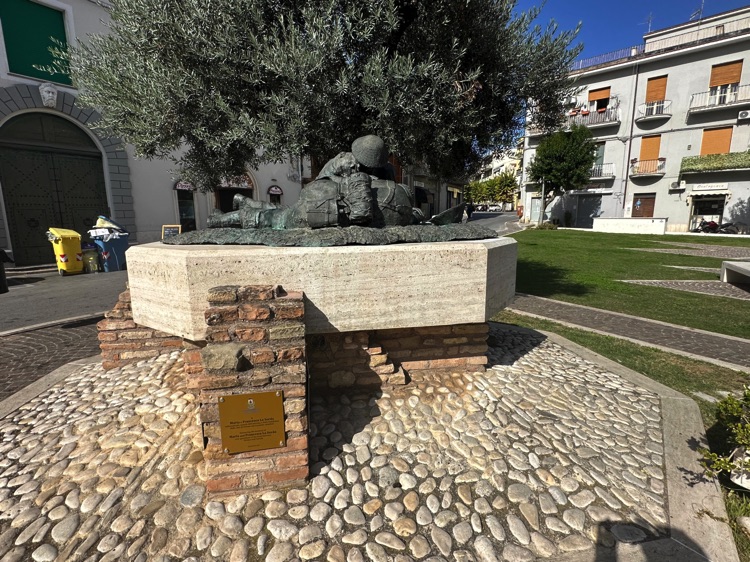
From Marina di Vasto, overlooking the beach, the historic center of Vasto dominated a promontory. Passing through towns like Ortona, we paused briefly in the evocative Piazza degli Eroi Canadesi, a symbolic square dedicated to the soldiers who fought in the famous Battle of Ortona during World War II. The square, quiet and bright, conveyed a special emotion: a mix of historical memory and respect that could be felt even while cycling through it.
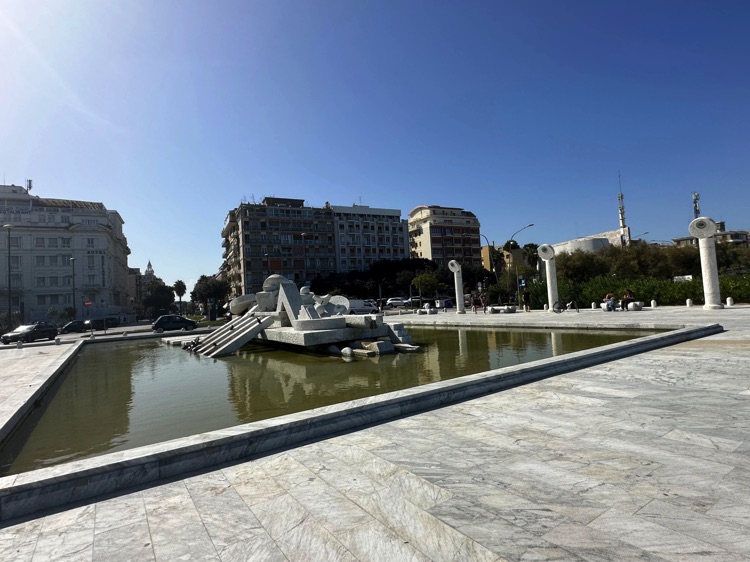
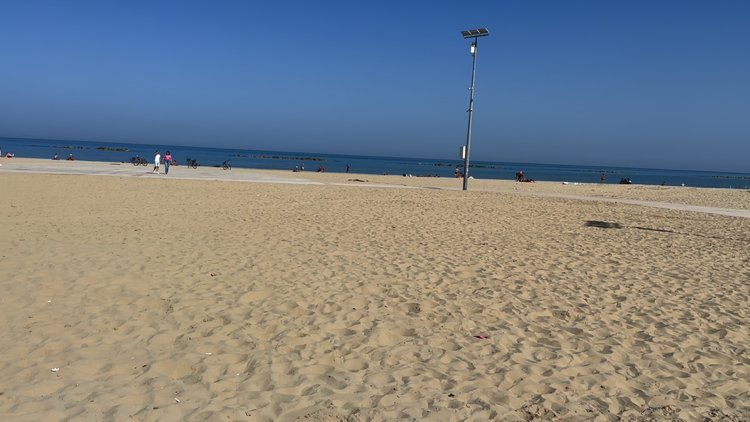
Resuming the ride toward Pescara, the road alternated long flat stretches with gentle ups and downs among vineyards, olive groves, and villages perched between sea and hills. The scent of salt, small harbors with fishermen at dawn, and lively beaches created a vibrant, almost cinematic atmosphere.
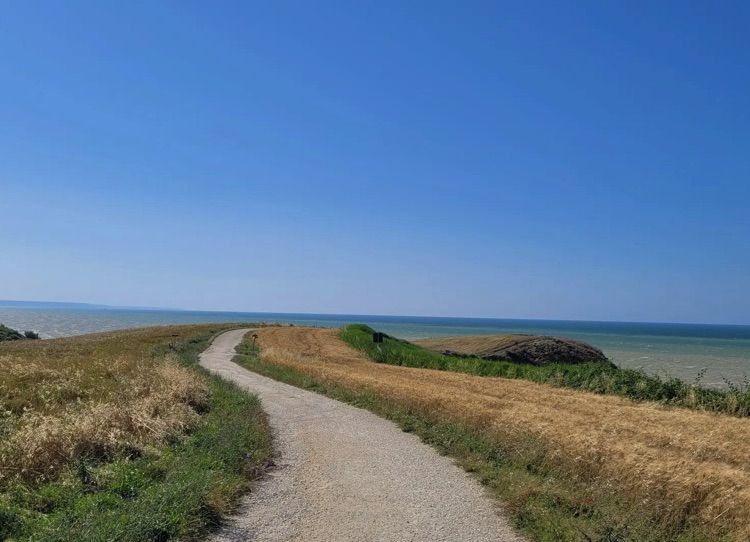
Continuing toward Pineto, Roseto degli Abruzzi, Giulianova, and other towns, the coastline opened up with spectacular views of the sea, while the peaks of Gran Sasso and Majella appeared in the background. Occasionally, a detour inland led us up panoramic hills, from which the view stretched endlessly: the blue of the sea on one side, the Abruzzo mountains on the other.
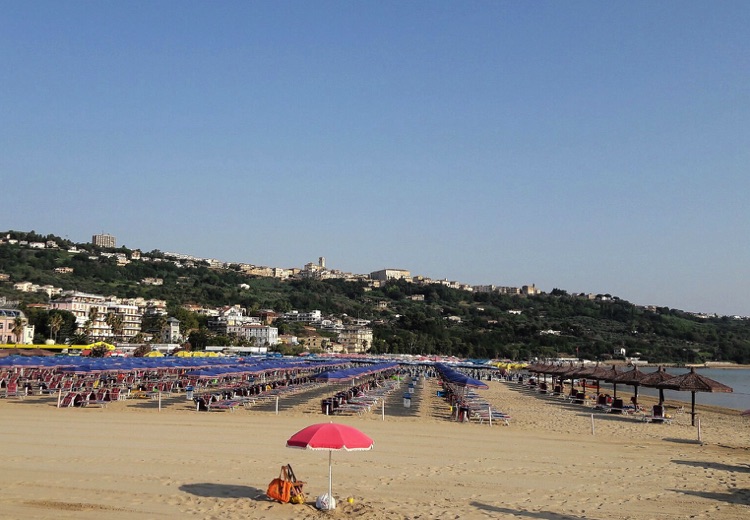
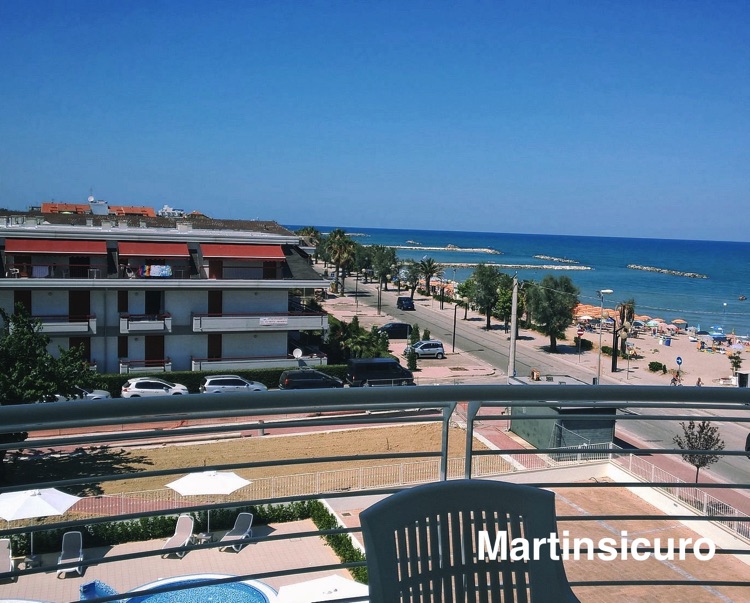
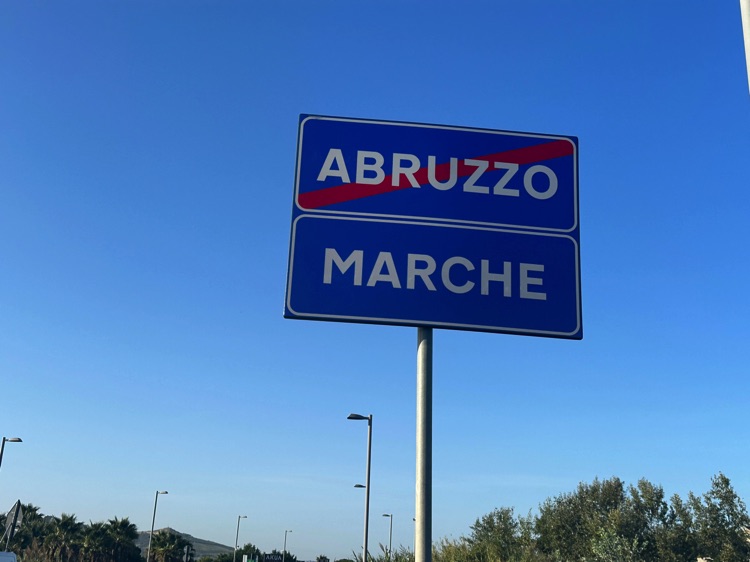
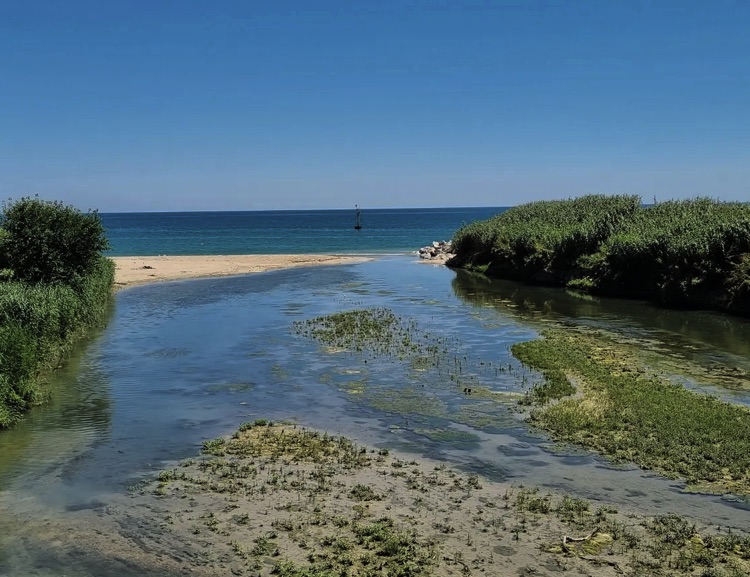
Before leaving the region, we reached Martinsicuro, the last town along the Abruzzo coast. Here, the sea began to change color and atmosphere, as if already hinting at the Marche landscape awaiting us beyond the Tronto River.
🌄 🇮🇹 Marche and Romagna: Between Hills, Cities, and the Sea
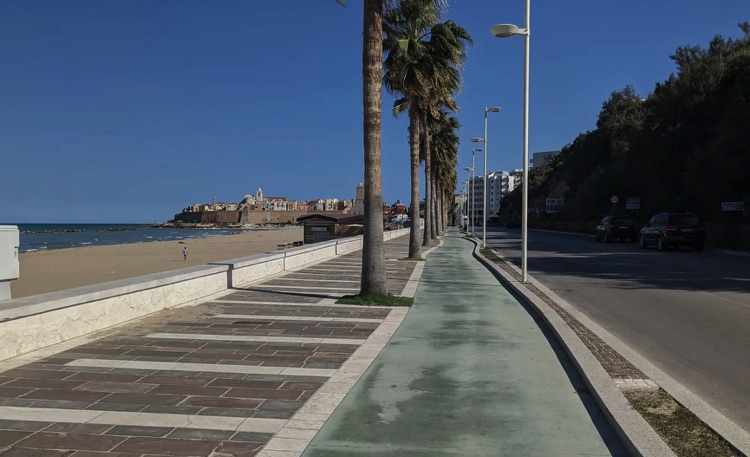
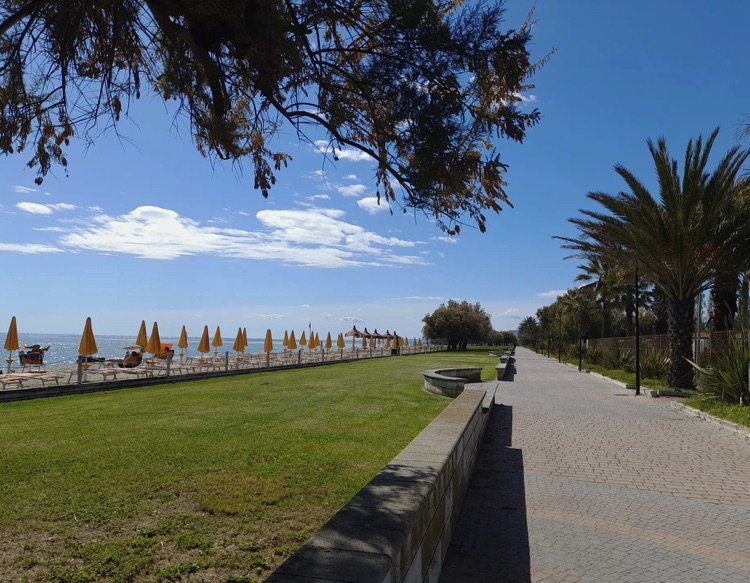
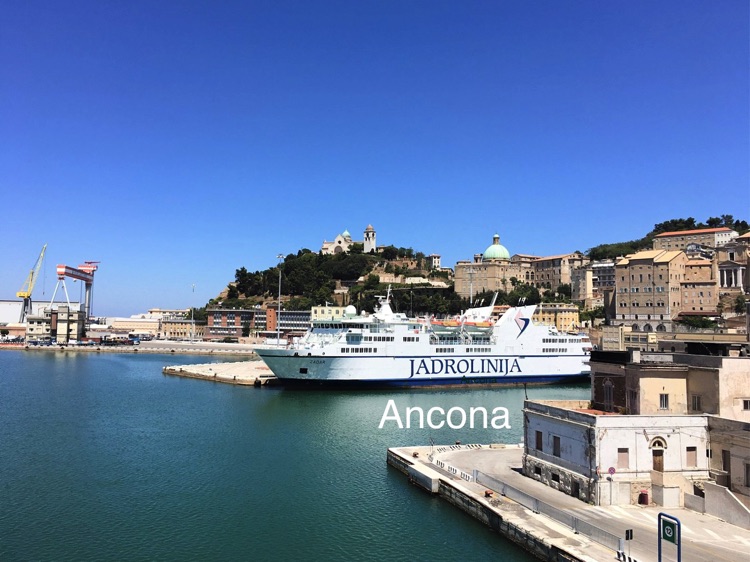
From the Tronto River, which marks the border with the Marche region, we continued following the coastline toward San Benedetto del Tronto, cycling along well-kept seafronts, palm trees, and wide beaches. Heading north, we passed through other beautiful coastal towns in Marche until reaching Ancona, where we stopped to admire the port, historic walls, and the city overlooking the gulf.
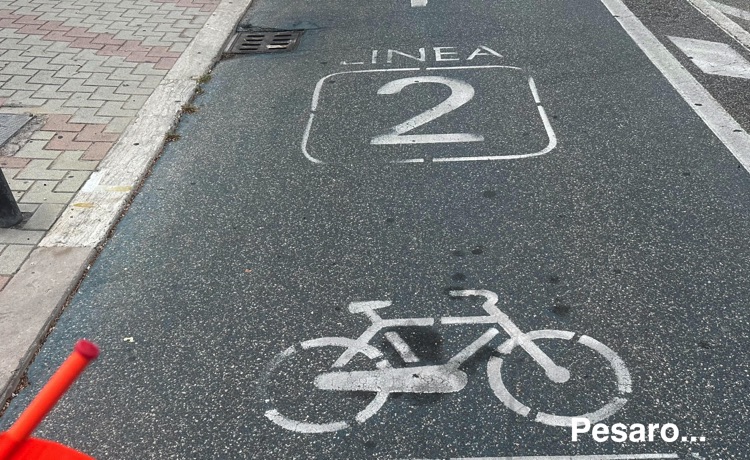
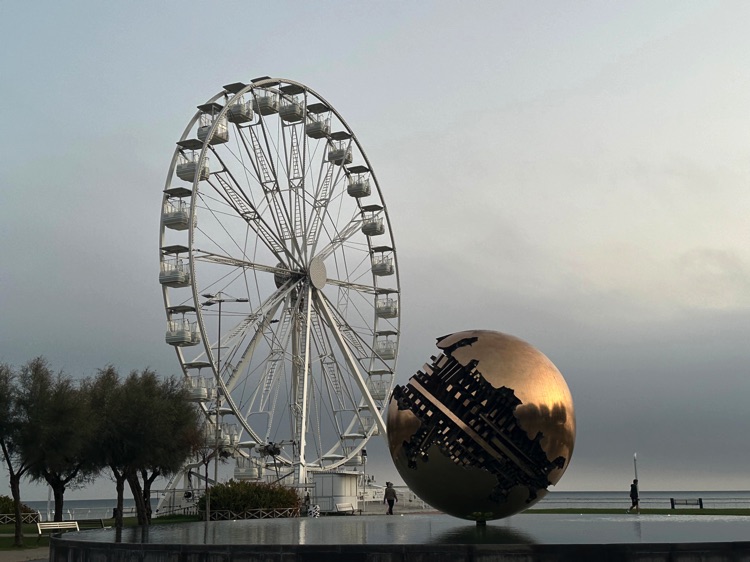
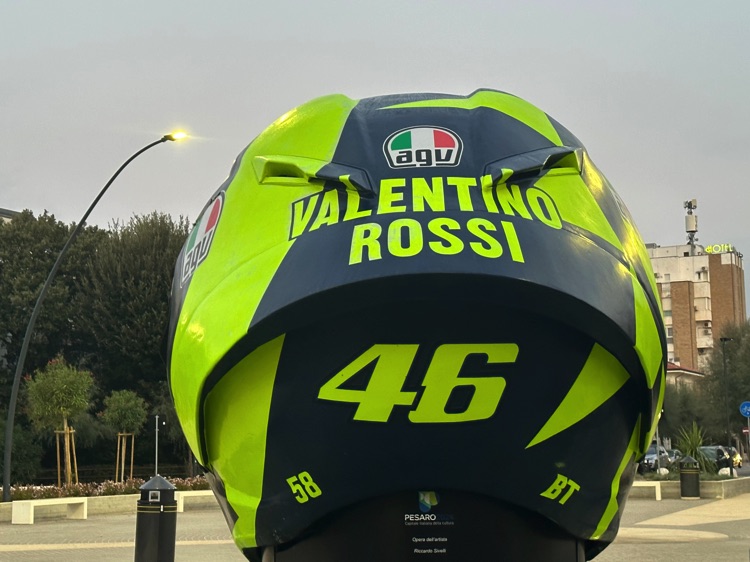
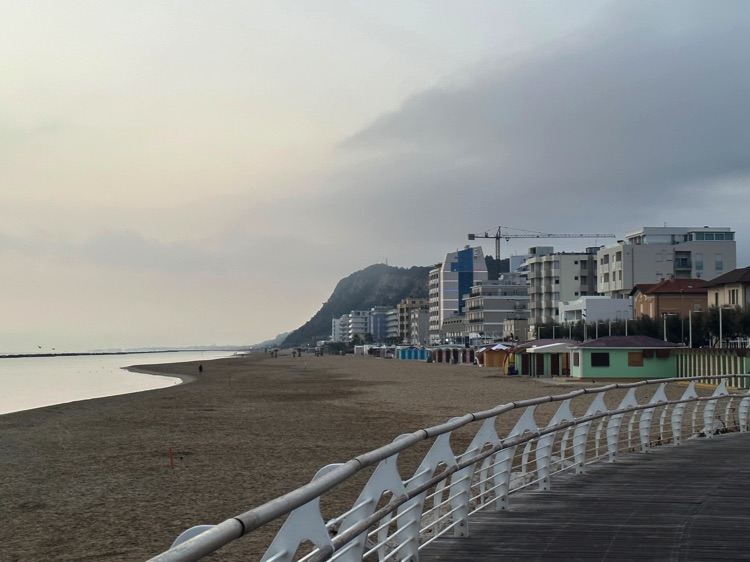
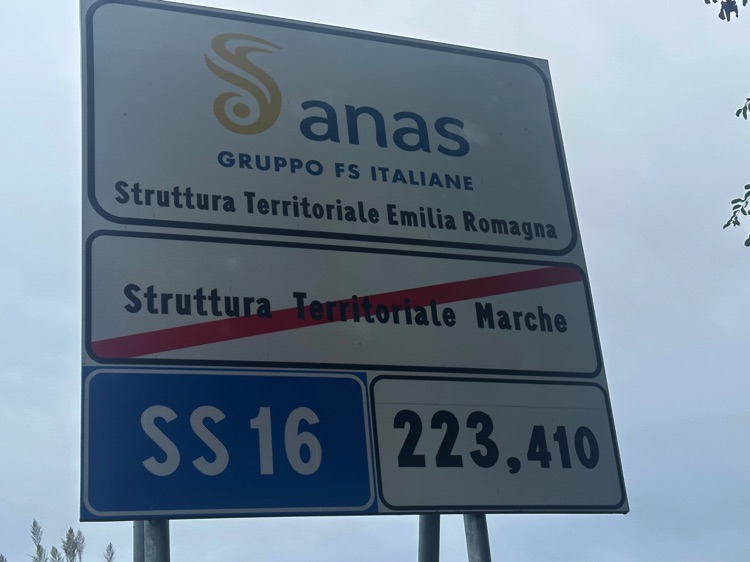
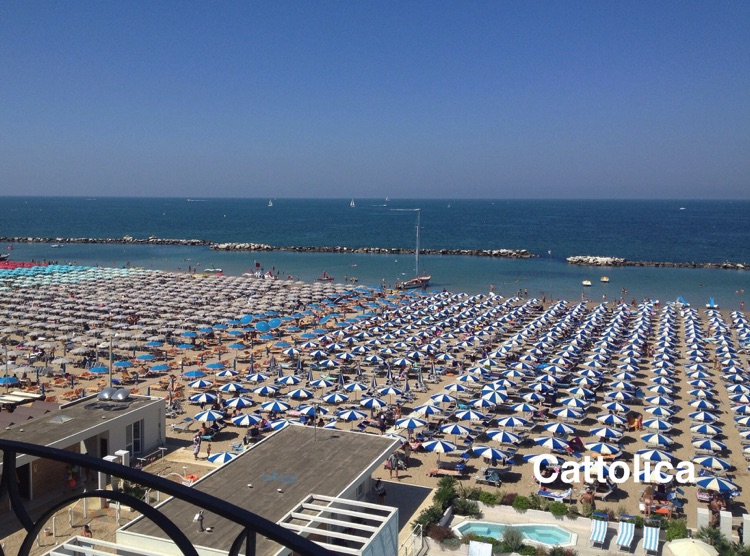
Resuming our ride, we followed the sea passing through Senigallia, Fano, Pesaro, and Gabicce Mare, the last town in Marche before the regional border. Shortly after, we entered Emilia-Romagna, reaching Cattolica.
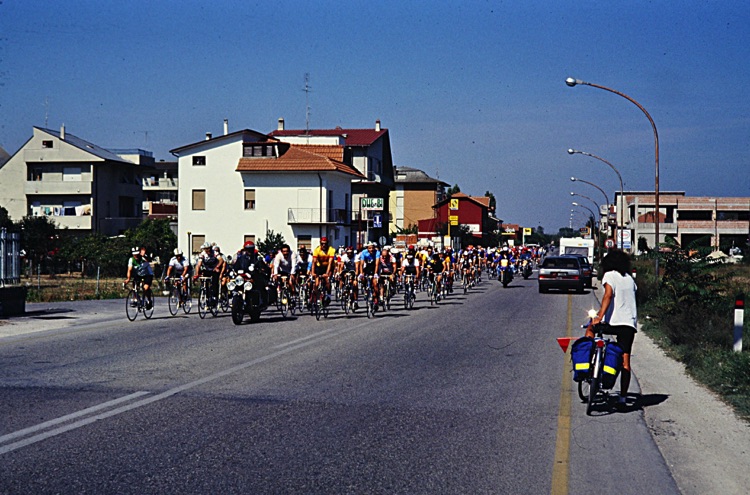
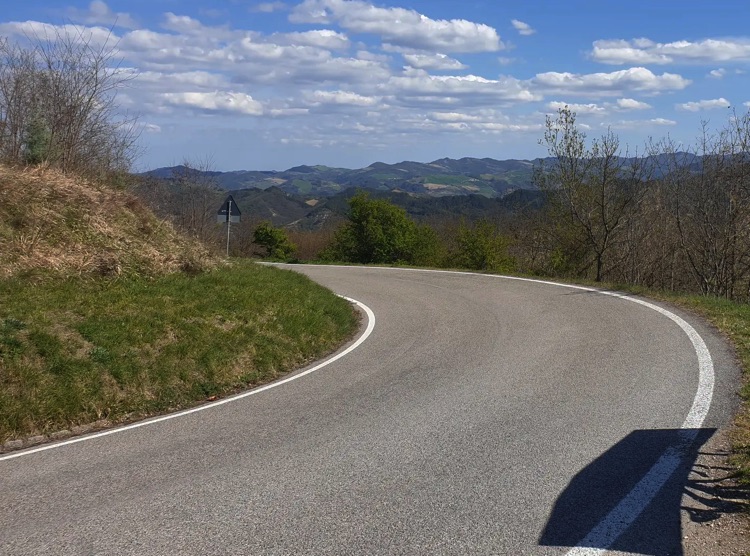
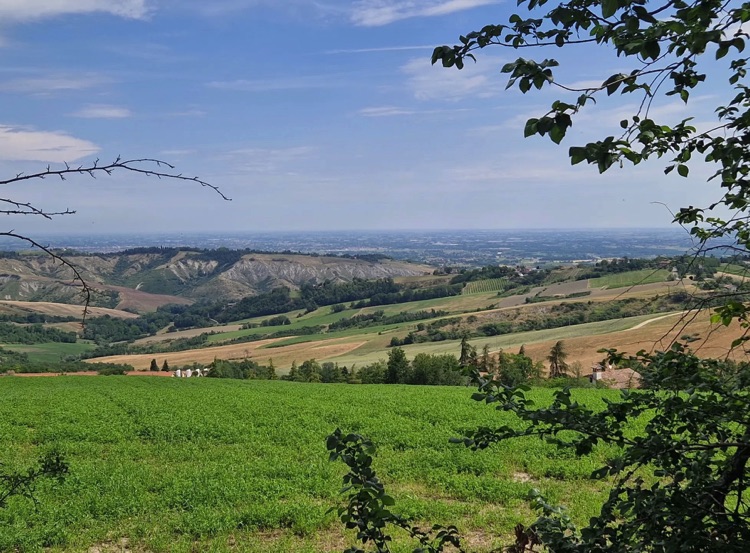
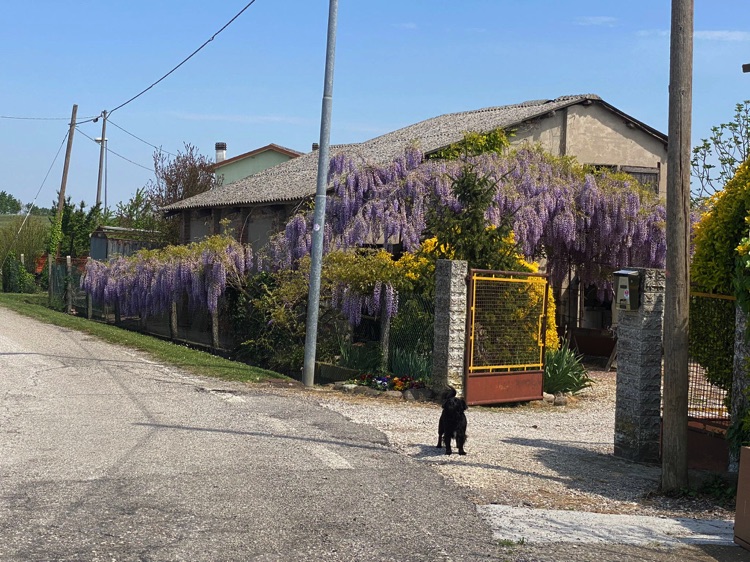
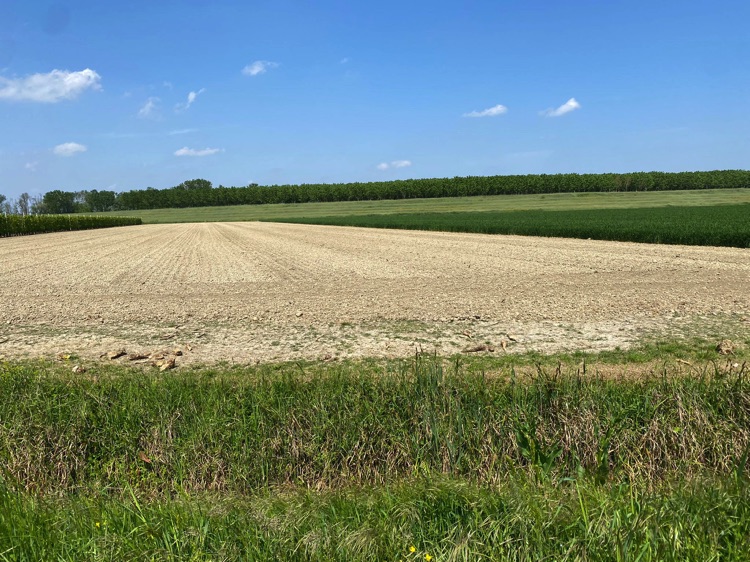
The route alternated completely flat stretches along the coast with gentle climbs toward the Marche and Romagna hills. Secondary roads led us through picturesque villages, olive groves, and sunflower fields.
🌄 🇮🇹 Romagna and Emilia: Heading Inland
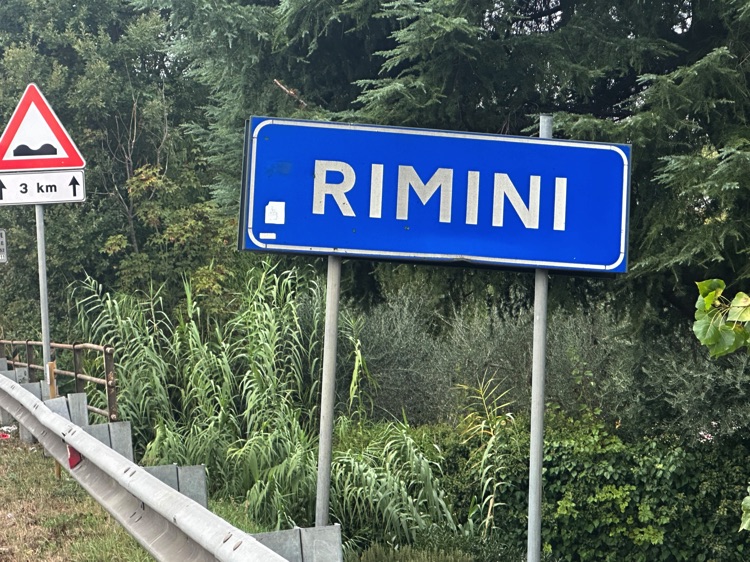
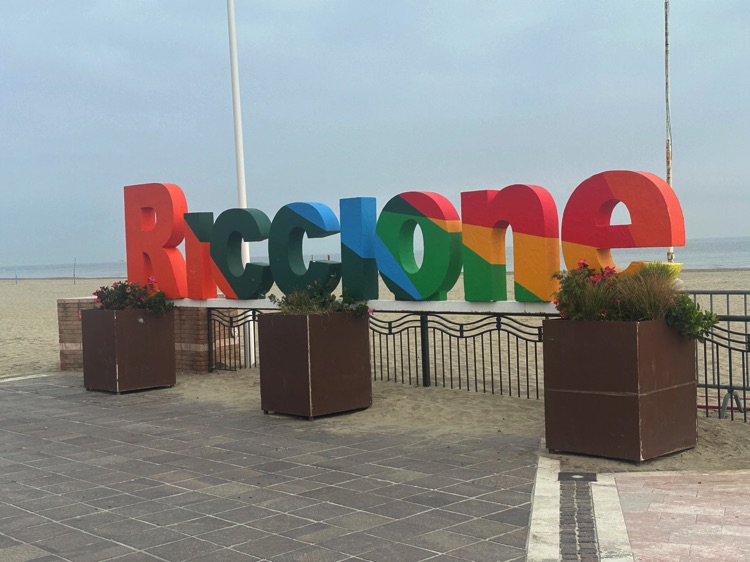
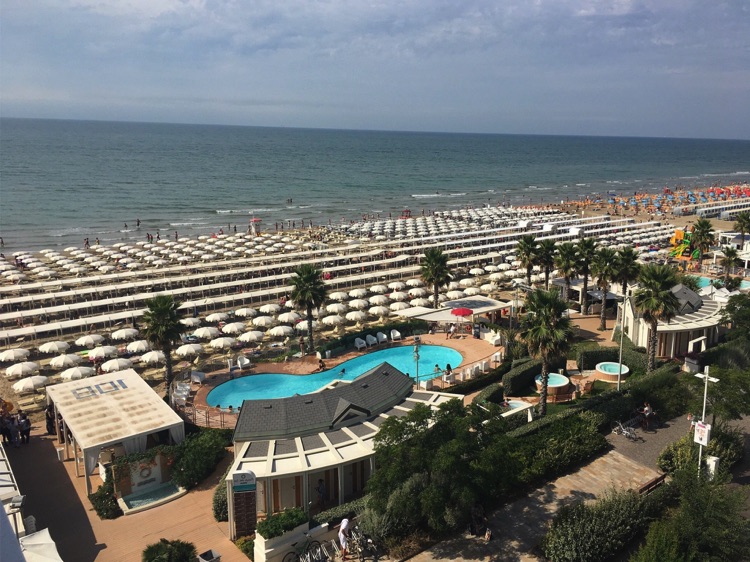
Entering Emilia-Romagna at Cattolica, we continued following the coastline northward, passing beautiful beaches and the shallow Adriatic Sea, ideal for swimming. The route continued through other well-known seaside towns such as Riccione, until reaching Rimini, with its long stretch of sandy beaches.
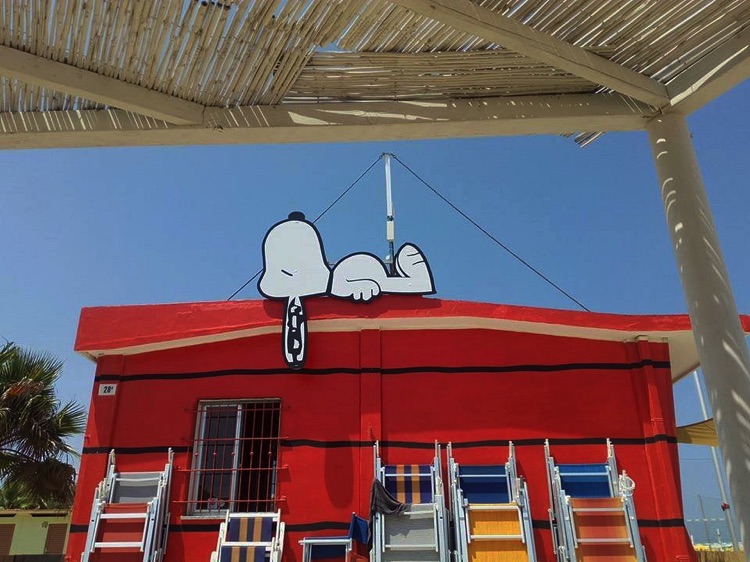
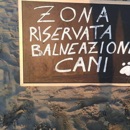
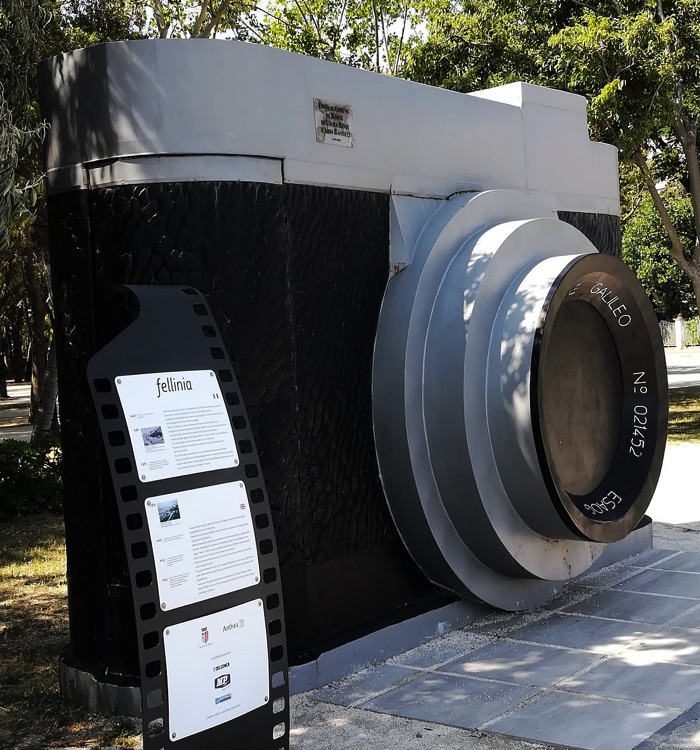
Here, we also found the dog-friendly beach at Bagno 81, near Bagno 82, a welcoming and well-equipped area for four-legged friends. A little further on, at Piazzale Federico Fellini, we stopped in front of the famous “Fellinia,” the gigantic Ferrania camera that has been one of the city’s most iconic symbols for decades, a tribute to Rimini’s cinematic heritage and its illustrious son, Federico Fellini.
The atmosphere was a perfect mix of history, with Roman remains and the memory of the great director, and the lively energy of a vibrant seaside city.
The route alternated completely flat stretches along the coast with gentle climbs toward the Marche and Romagna hills. Secondary roads led us through picturesque villages, olive groves, and sunflower fields.
🌄 🇮🇹 Heading Inland: Bologna and the Po Valley
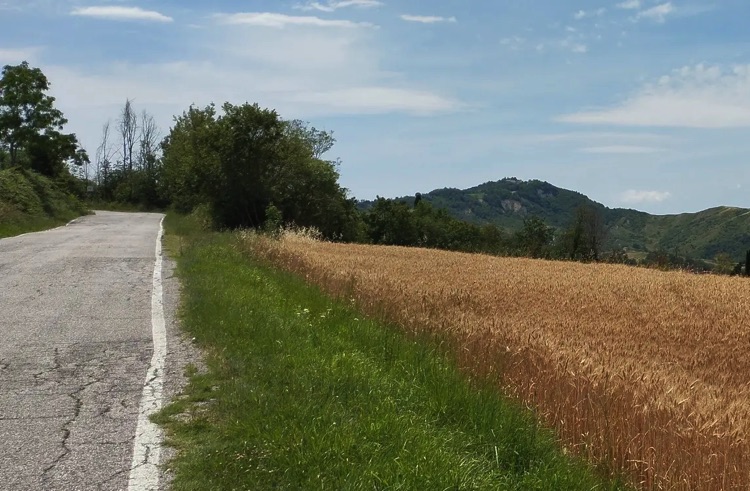
From Rimini, we moved inland toward Forlì, entering a hilly landscape with steady climbs and swift descents through fields and forests.
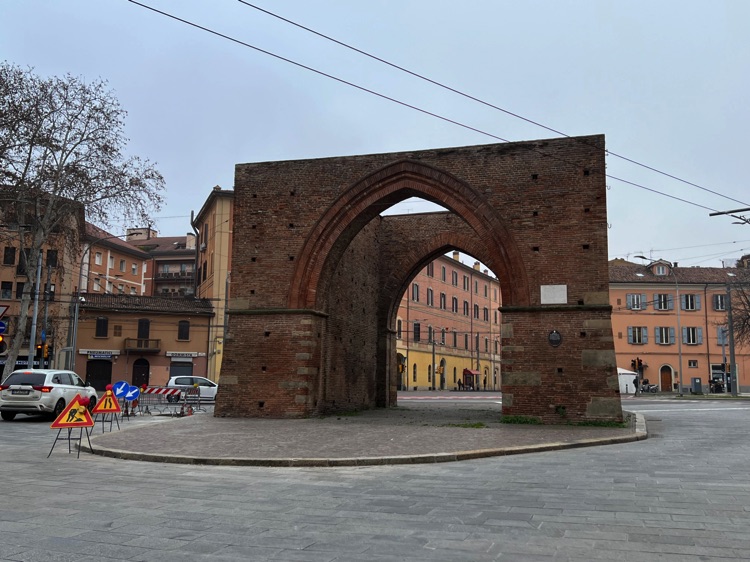
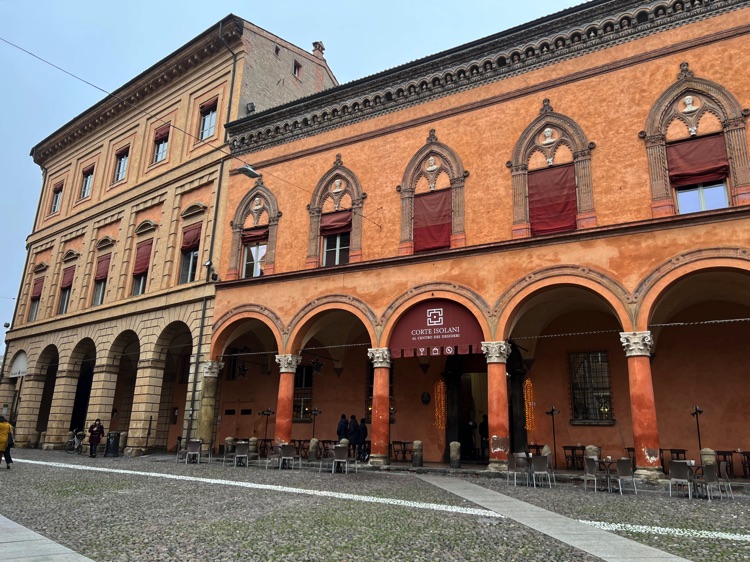
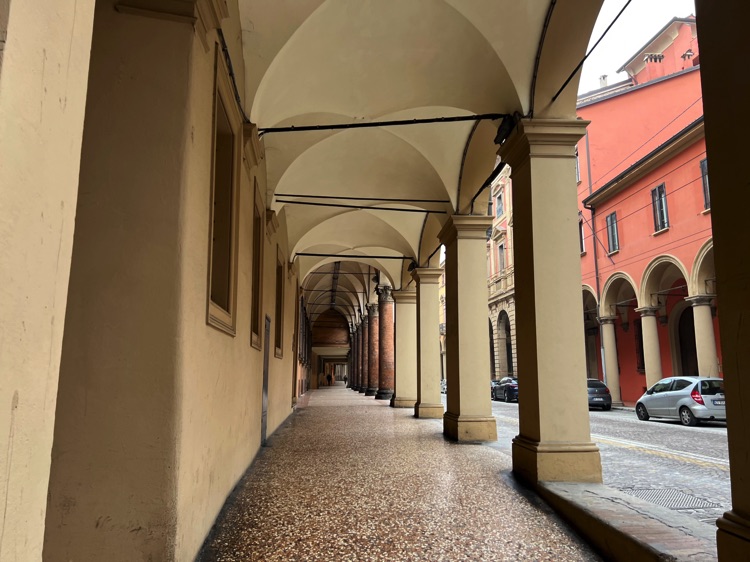
From Forlì, we continued toward Bologna, entering through the Porta Maggiore, an imposing 13th-century brick gate, a testament to the city’s medieval defenses and historic entrance. Cycling through Bologna, we rode beneath its famous colorful porticoes, admiring the towers and squares that make the city unique.
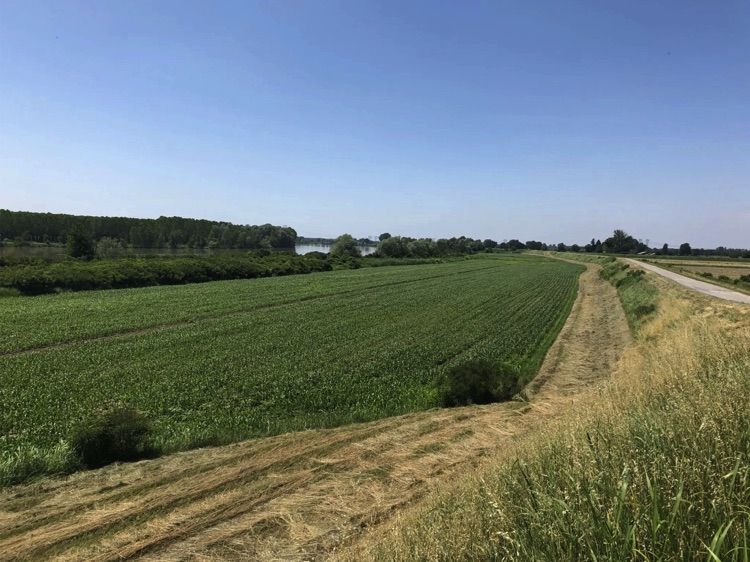
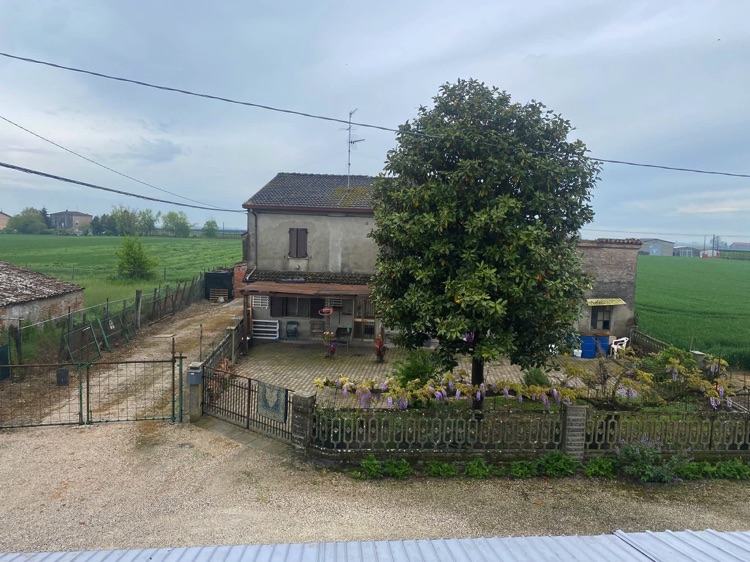
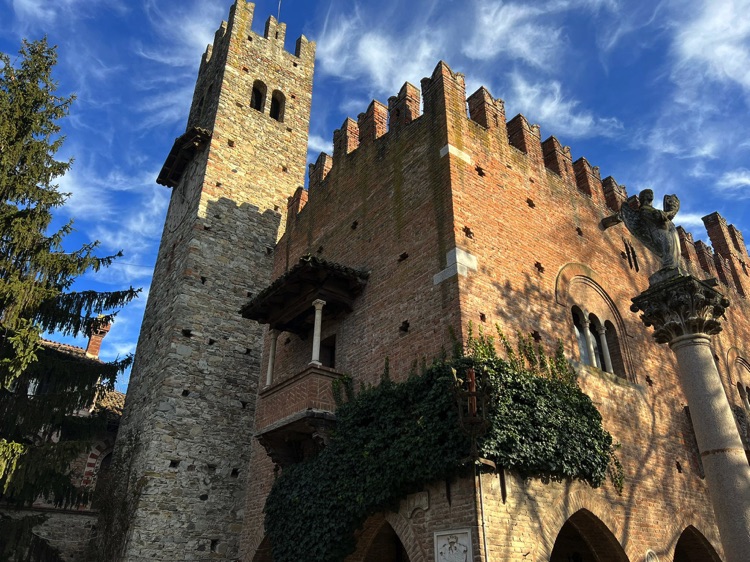
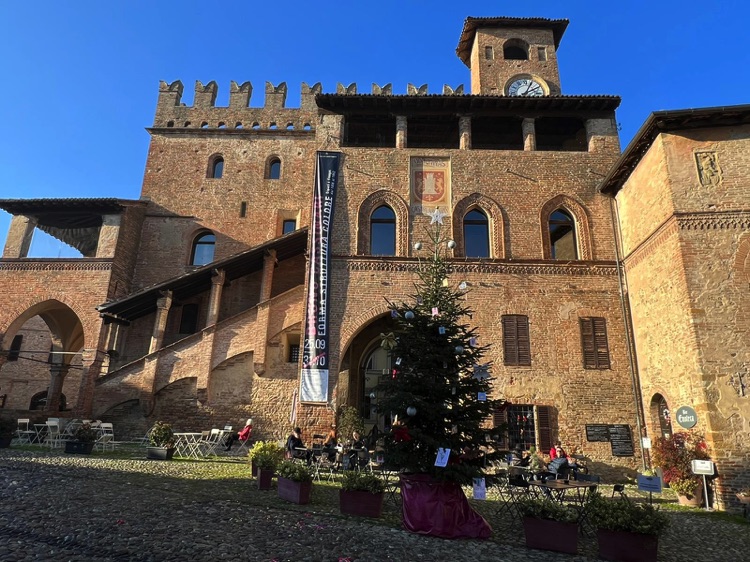
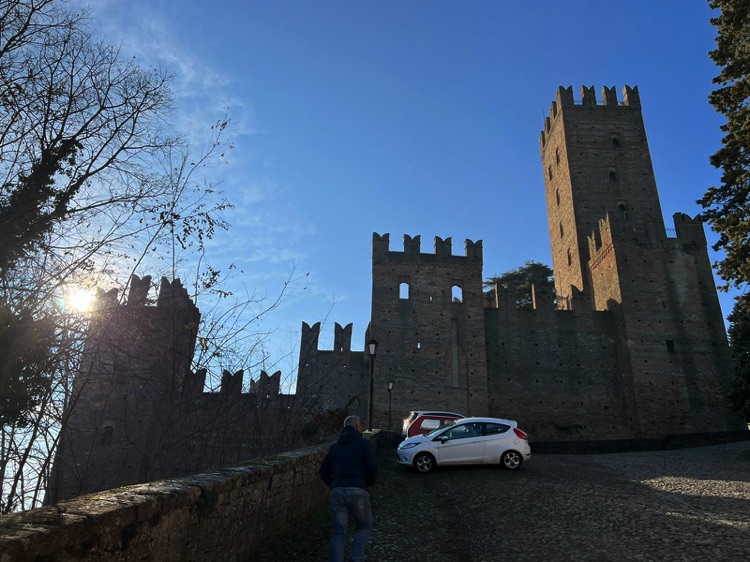
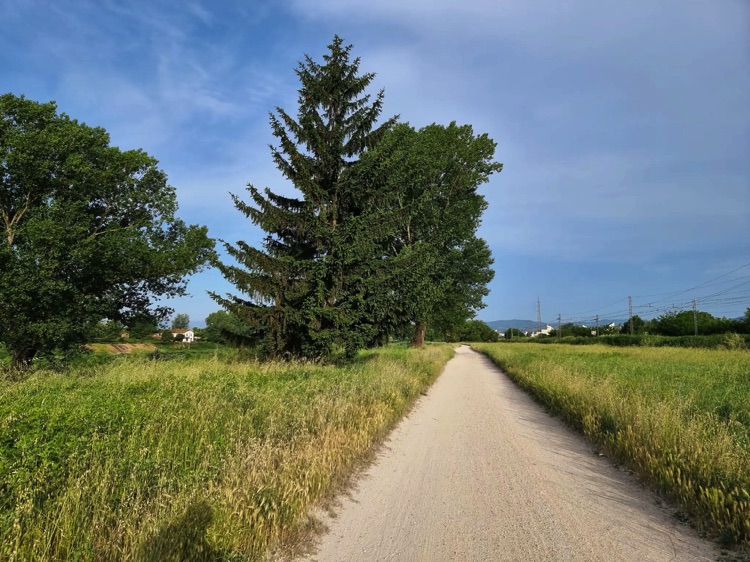
Continuing toward Modena, Reggio Emilia, and Parma, the plains began to dominate: orderly fields, rows of trees, canals, and farming villages passed quietly by our wheels. Along the way, we also visited Grazzano Visconti, a historic village with cobbled streets and medieval-style architecture, a charming oasis that seemed to stop time.
The journey begins
🇬🇧 England: From London’s city center to the suburbs and the countryside
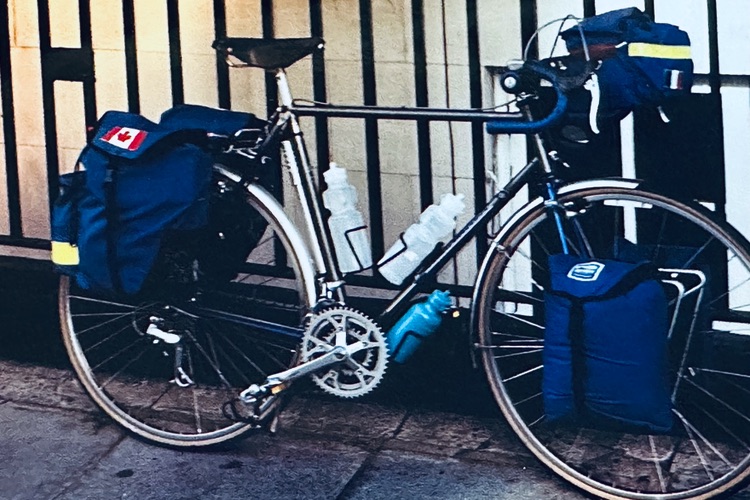
Landed at Gatwick Airport, we collected our bicycles from the baggage claim and fitted the panniers and racks directly in the arrivals area, surrounded by curious travelers and neon lights. Once everything was ready, we took the train to Victoria Station and reached our accommodation, the Eccleston Hotel, to rest after our late evening arrival.
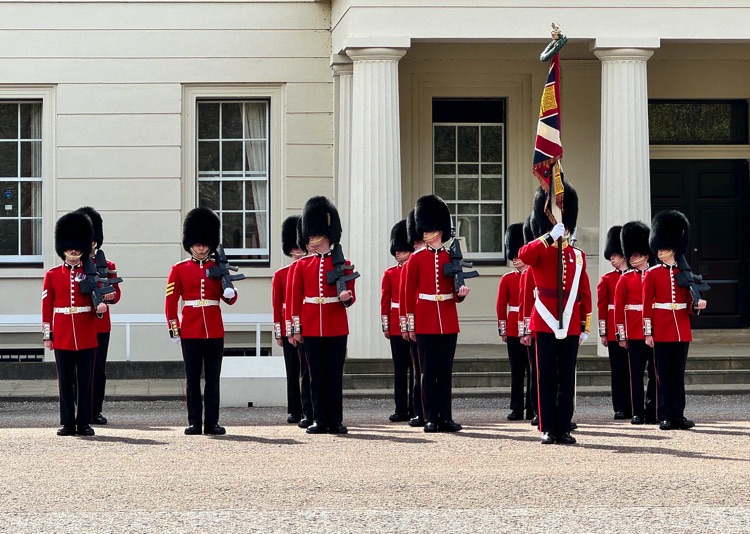
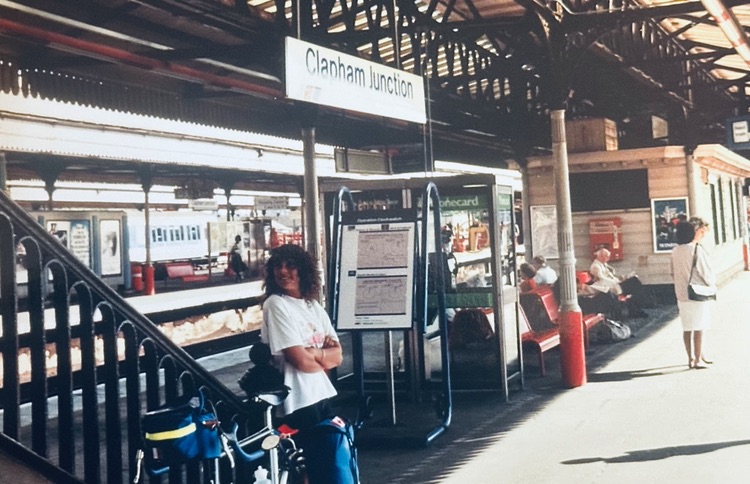
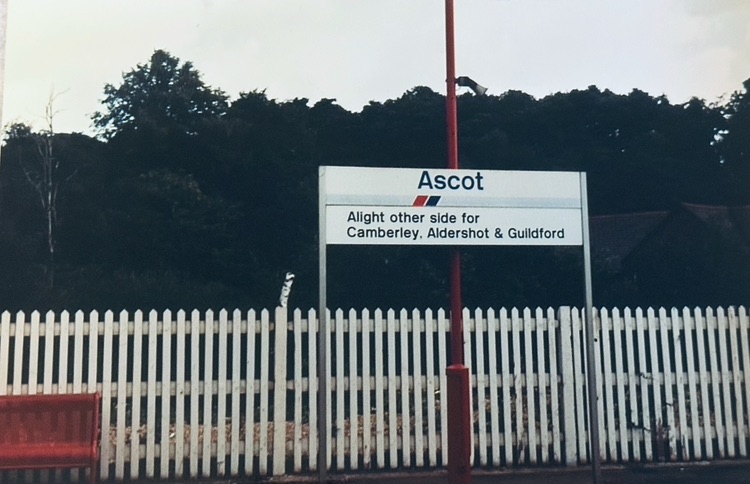
The next morning, with the city still sleepy, we pedaled to Buckingham Palace, observing the royal guards behind the metal fence of the residence. To avoid the heavy traffic of London, we took a train from Victoria to Staines. However, the train made no stops until Ascot, and it was there that our real cycling adventure began.
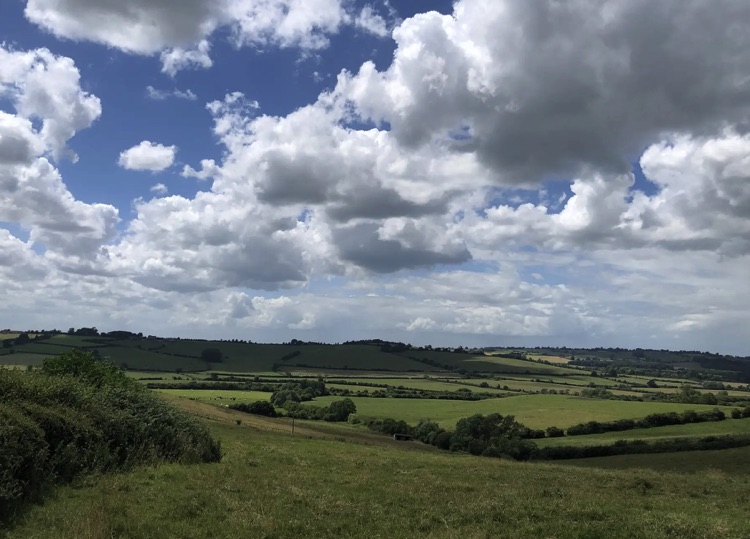
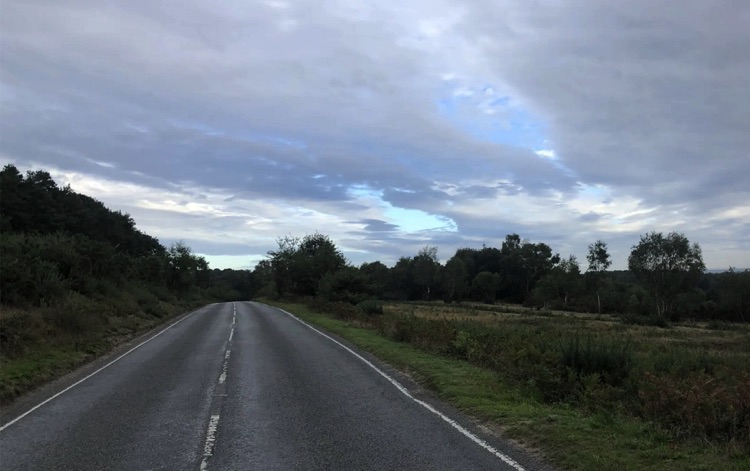
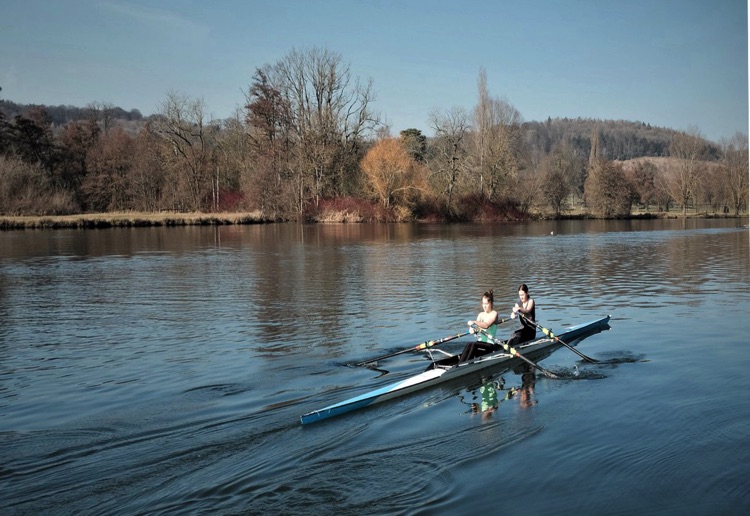
Pedaling north from Ascot, the quiet roads lined with meadows and small woods led us through Winkfield and Twyford, with gentle ups and downs making the ride enjoyable and lively. From there, we headed to Wargrave, entering the Thames Valley, until we reached Henley-on-Thames, a town famous for its rowing regatta along the river, where we watched boats glide across the water and felt the rhythm of the local rowers’ strokes.
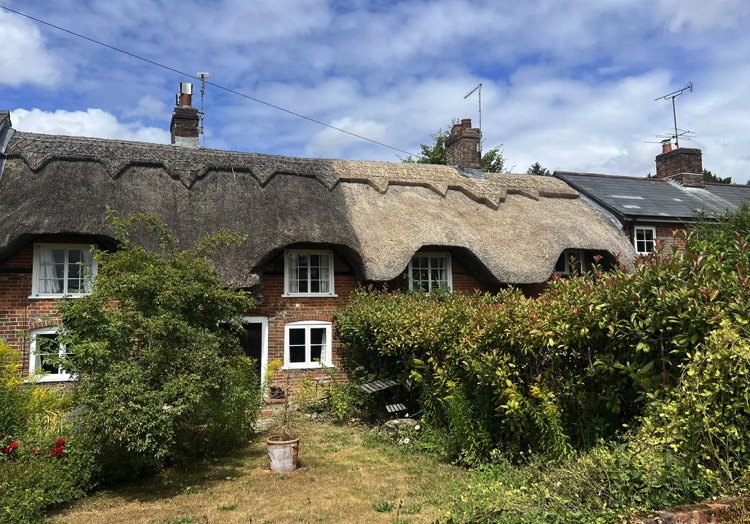
Continuing along a mostly flat stretch, through well-kept farmland, pastures, and red-brick houses, we tackled a moderate climb towards Nettlebed, surrounded by forests and quiet hills, with steady but manageable gradients, until we reached Watlington, where open English countryside unfolded before us.
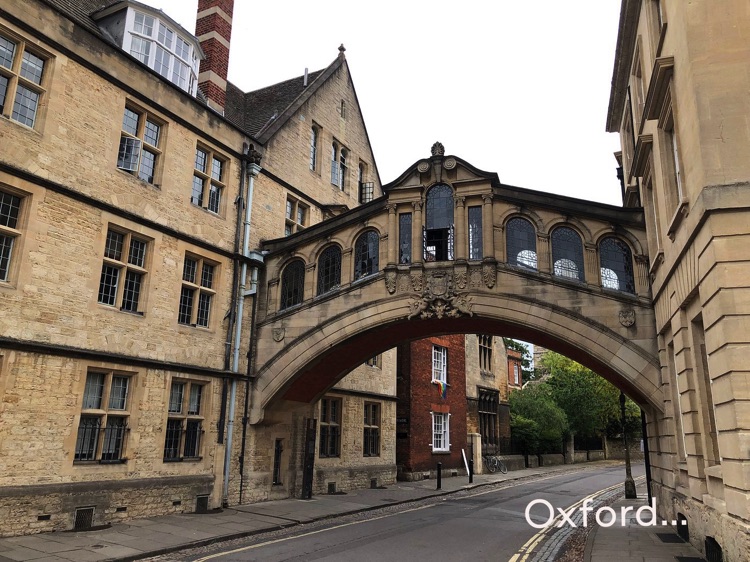
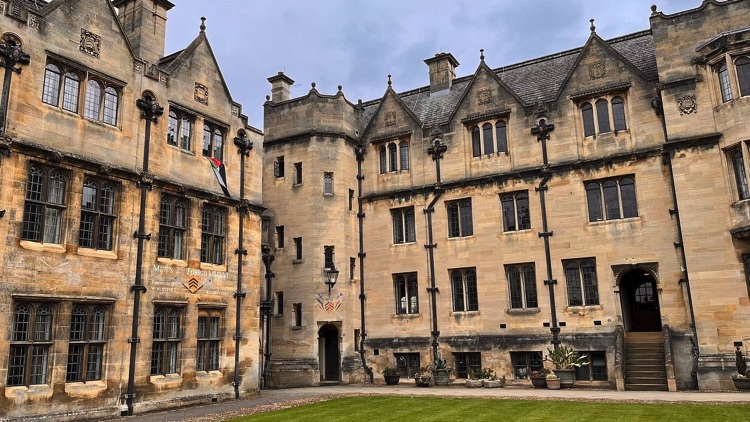
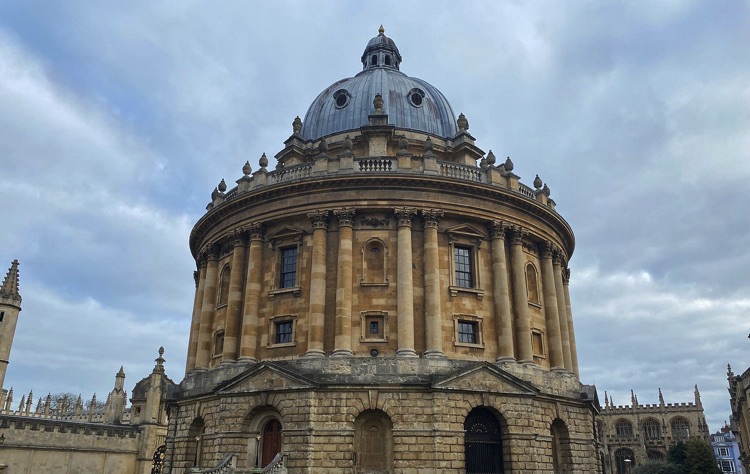
From there, still heading north, we entered Oxford, a lively and historic city with well-maintained bike lanes, ancient colleges, and views of the Chilterns the sandstone hills stretching between London and Oxford, with winding roads and scenic woodlands perfect for cyclists.
Continuing towards Banbury, the landscape opened into rural fields, pale-stone villages, and quiet secondary roads. The hills were gentle and regular, ideal for maintaining a steady pace.
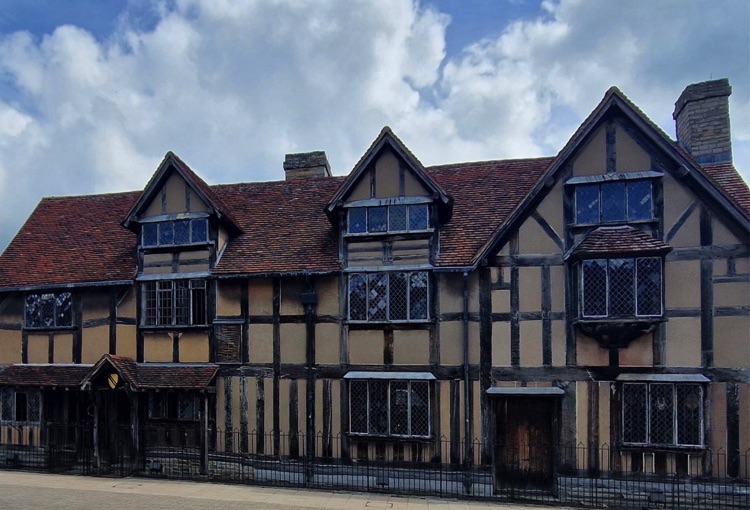
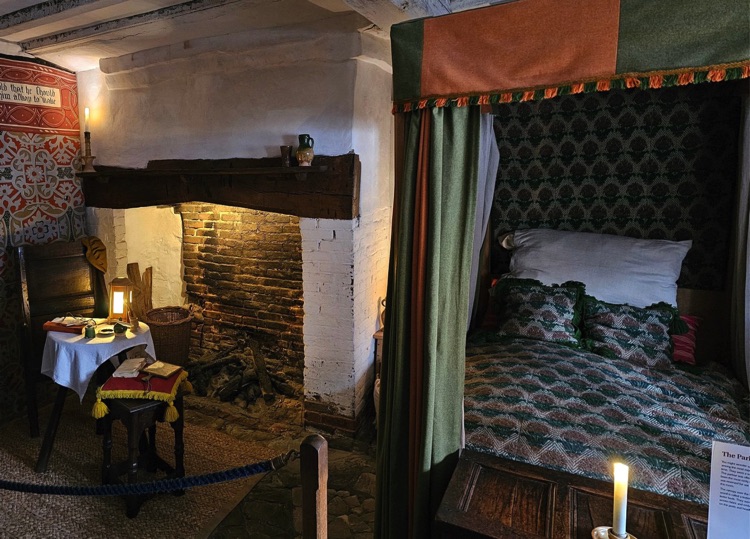
From Banbury, we reached Stratford-upon-Avon, also simply known as Stratford, where the roads undulated with short climbs offering views over cultivated fields. Here, we followed the footsteps of William Shakespeare, visiting the house where he was born and grew up a place seemingly suspended in time.
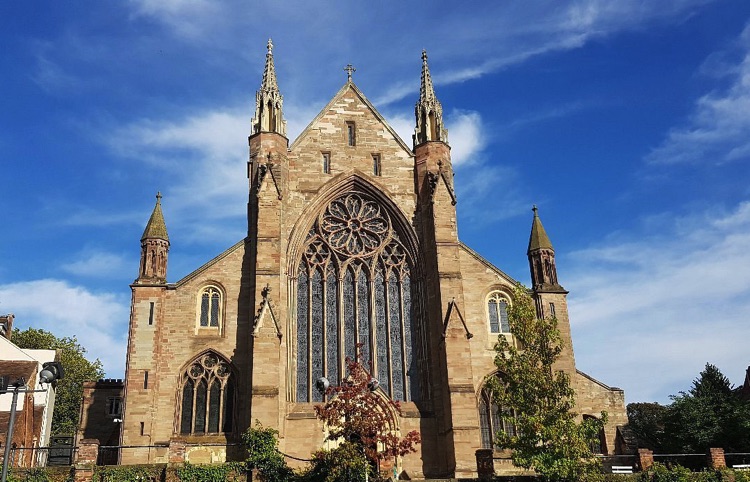
Finally, from Stratford we headed to Worcester, where the countryside broadened with vast agricultural areas and tiny villages connected by quiet roads. The ride was smooth, with few gradients and long flat stretches. Worcester, a historic city housing the magnificent Worcester Cathedral, welcomed us with its ancient charm.
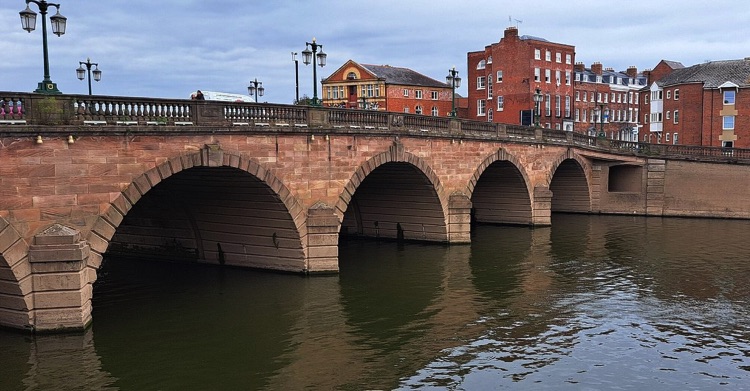
We crossed the Worcester Bridge, a historic structure over the River Severn, a witness to centuries of history and trade, always fundamental for regional connections. The bridge also offered a spectacular view of the river waters and surrounding architecture a perfect moment to breathe in the city’s history.
This crossing marked the ideal conclusion of the first part of our journey: an itinerary of quiet villages, English countryside, and cities rich in history. From here, we were ready to leave England behind and enter a completely new territory: Wales, with its mountains, wild landscapes, and roads that would challenge both our legs and our adventurous spirit.
🇫🇷 France: Normandy, the Seine, and Burgundy
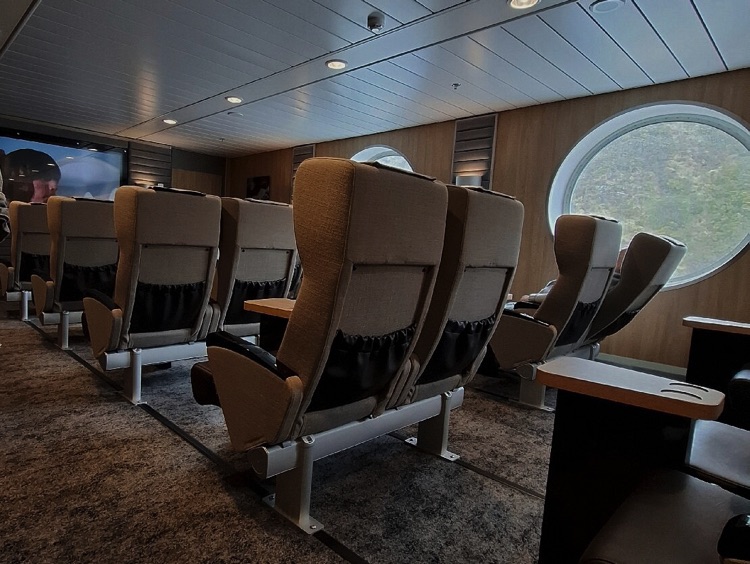
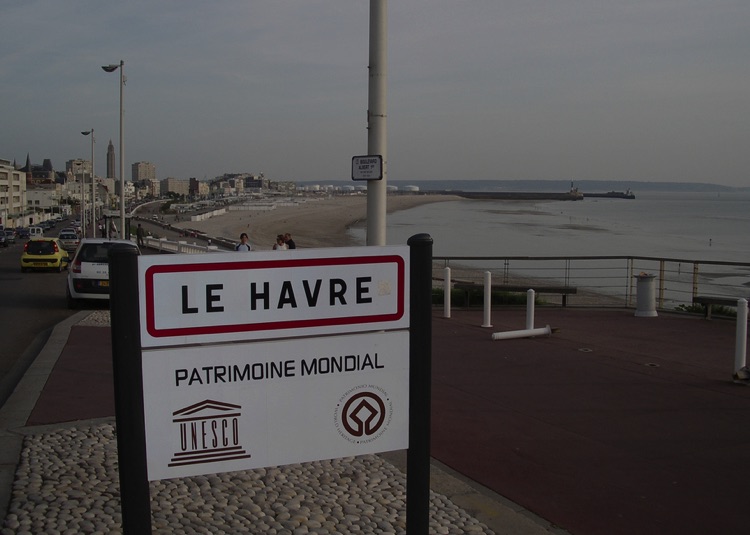
After a long crossing to Le Havre, about twenty hours of rough seas and strong winds, we finally disembarked. With no available cabin, we settled into the ship’s seats, trying to withstand the rocking and watching the constantly moving ocean: powerful waves crashing against the hull and a sky that changed color minute by minute.
Despite the seasickness affecting many passengers, the ship was comfortable, and the restaurant offered a brief respite, while the horizon reminded us that the adventure was just beginning.
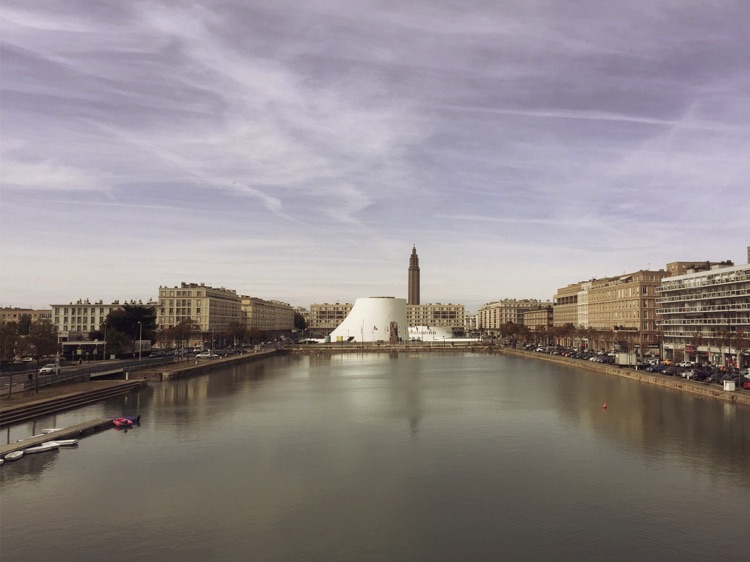
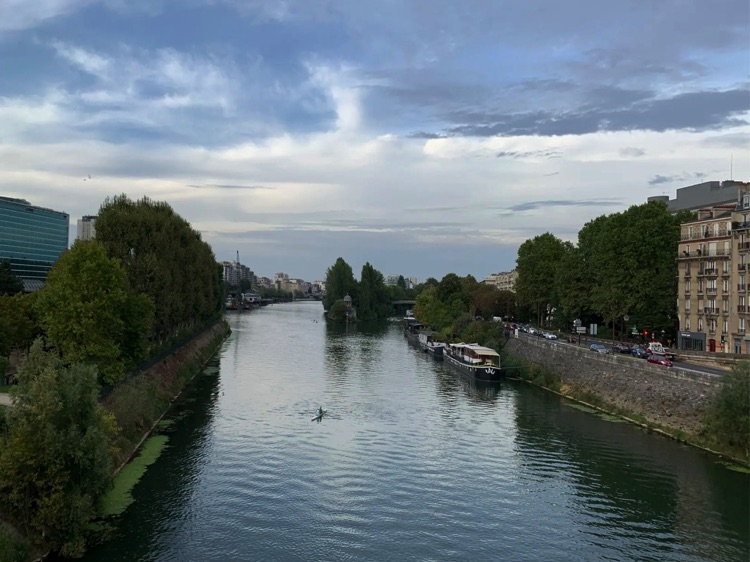
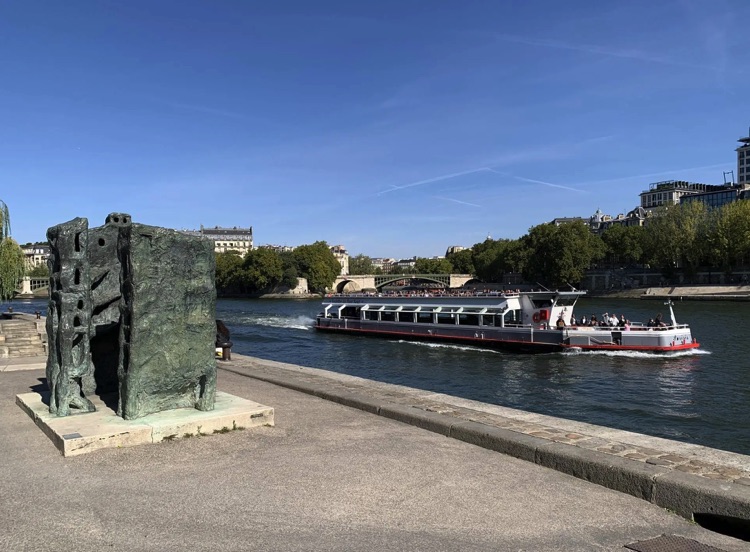
Le Havre, the gateway to Normandy, welcomed us with its bustling port atmosphere and the breeze of the North Sea. The city, with its large warehouses and orderly streets, was just a prelude to what awaited us along the Seine River. We followed the Seine along local roads to Mousseaux, continuing via Mantes, Meulan, Saint-Germain, and Nanterre, until reaching Paris, where we left our bicycles at the hotel to explore the city on foot.
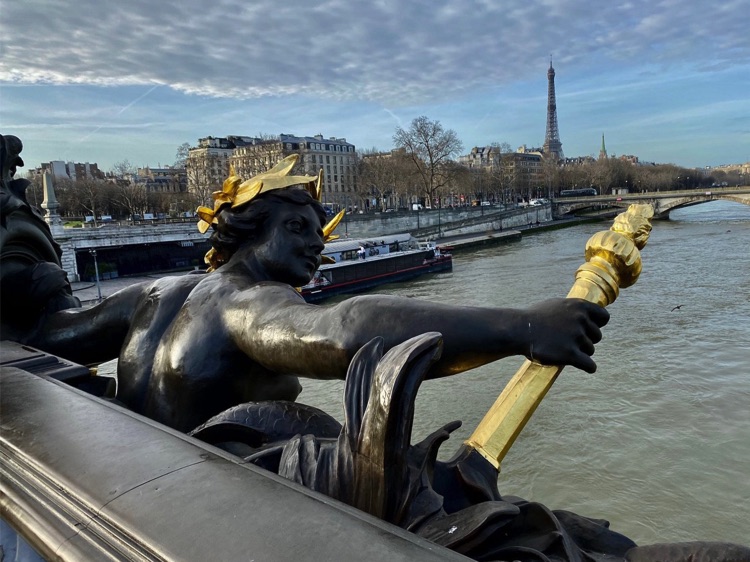
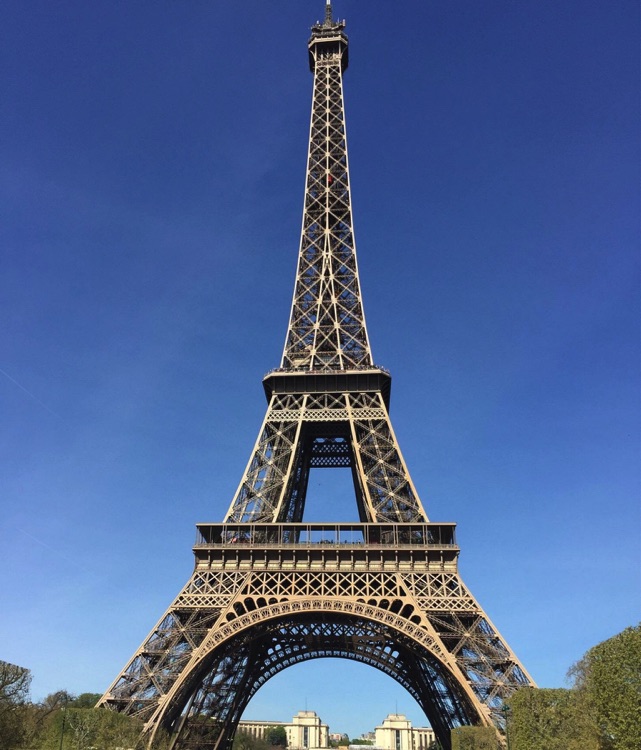
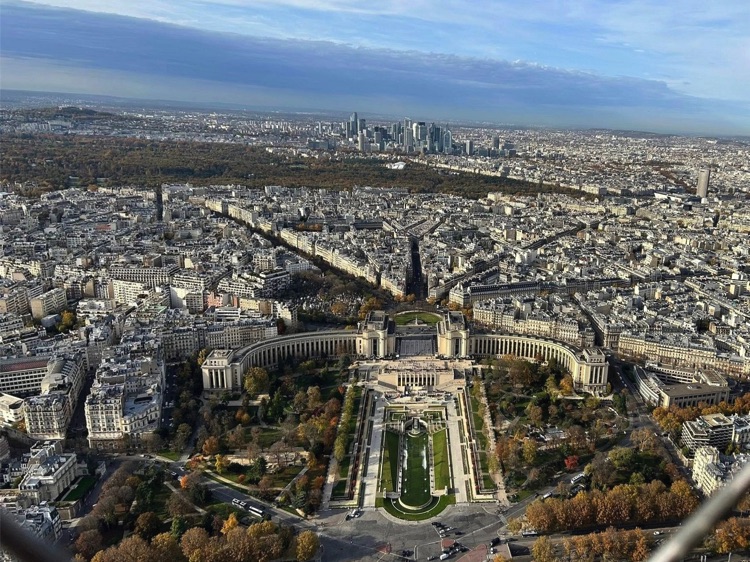
Paris greeted us with timeless elegance: lively boulevards, the sparkling Seine, and iconic landmarks such as the Eiffel Tower, the Louvre, and Notre-Dame immersed us in a unique atmosphere of art, history, and daily life. Surrounded by the scent of freshly baked croissants and the music of street performers, we wandered through squares and across bridges, breathing in the soul of the city.
The next day, we set off again by bike heading southeast, following bike paths and country roads. Passing through Évry, Melun, Saint-Mammès, Chéroy, and Joigny, we pedaled among cultivated fields and picturesque villages, with the wind caressing our faces and the sun sparkling on the calm river waters. The route was mostly flat, but gentle climbs offered panoramic views of the French countryside.
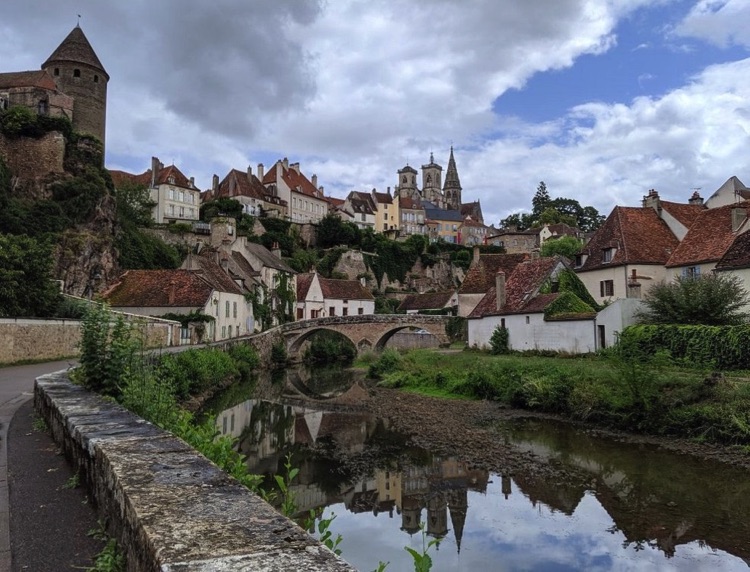
Continuing toward Chablis and Noyers, with their medieval streets and wine cellars, and then Semur-en-Auxois and Pouilly-en-Auxois, the landscape became wilder: narrow gorges, winding rivers, and quiet forests alternated with rolling hills colored by fields of wheat and sunflowers. Every pedal stroke was a small reward for the eyes and the spirit.
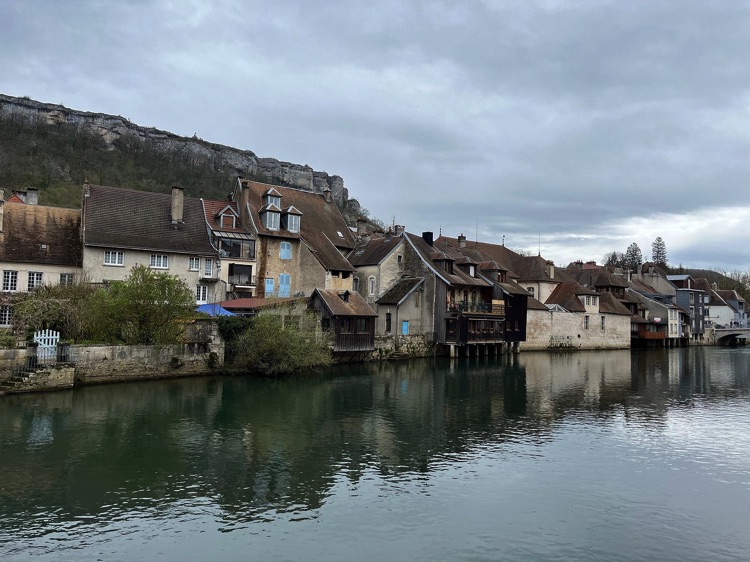
Arriving at Dijon, Pesmes, Besançon, and Ornans, we found ourselves immersed among gorges and rivers, tackling challenging climbs and technical descents, feeling fatigue transform into a sweet exhilaration as the beauty of the scenery rewarded every effort.
Finally, reaching Pontarlier, a mountain town on the edge of the Jura Mountains near the border with Switzerland, at an altitude of 837 meters, we crossed the frontier, entering new territory and thus concluding this incredible French leg of our cycling journey.
Route Details
• Start & Finish 📍: London, England → Milan, Italy
• Total Distance: 4,684 km
• Duration 🚴: 45 days (14 August – 3 October)
• Route Type: Self-guided cycle touring, multi-country
• Regions Crossed: England, Wales, Ireland, France, Switzerland, Liechtenstein, Austria, Italy (Trentino-Alto Adige, Veneto, Friuli-Venezia Giulia, Puglia, Molise, Abruzzo, Marche, Emilia-Romagna, Lombardy)
Main Mountain Passes
• Susten Pass (2,264 m) – Switzerland (Uri/Bern)
• Oberalp Pass (2,044 m) – Switzerland (Graubünden/Uri)
• Brenner Pass (1,370 m) – Austria/Italy
Route Maps
• Route Map 📍: View Map - Coming Soon
• Route Map 📍: Full map of my cycling journeys across Europe
• Photo Gallery 📍: Click on the images to view them in larger format